Chinese Communist Party leader Xi Jinping opened a four-day meeting of senior officials in Beijing on Oct. 26, following a wave of political purges that have removed many of his own appointees and left the party’s top military command with only two members, including himself.The fifth plenum of the CCP’s 20th Central Committee comes ahead of next year’s Party Congress, when Xi is widely expected to seek another term as party leader. The U.S.-based Asia Society Policy Institute estimates that attendance could fall to its lowest level in the post-Mao era.Xi delivered a report on the work of the Politburo and introduced a draft decision calling for tighter controls over party officials, according to the official announcement.The closed-door gathering brings together members of the Central Committee, who hold senior positions across China’s political establishment, including the military, provincial governments, and central party agencies.Although Beijing presents the removals as part of its campaign against corruption and misconduct, the upheaval has spread to officials who were previously regarded as Xi’s allies, raising questions about political trust and the leadership he will assemble for his next term.Attendance Could Reach New LowThe Asia Society Policy Institute estimates that approximately 291 of the 376 full and alternate Central Committee members originally elected in 2022 may attend the meeting—77.4 percent of the original membership.The Oct. 18 analysis, by Neil Thomas, Lobsang Tsering, and Shengyu Wang, bases its forecast on documented expulsions, investigations, unexplained disappearances, and other changes in membership.The decline is already evident in the CCP’s published records.The second plenum in February 2023 drew 373 full and alternate members. Attendance dropped to 364 in July 2024 and 315 in October 2025.At last year’s fourth plenum, the CCP confirmed the expulsion of 14 officials and promoted 11 alternate members to full membership, despite attendance having fallen by 49 from the previous meeting.Some officials have been formally expelled, while others have disappeared from public view without explanation. The attendance figures alone do not establish how many absences resulted from purges.The latest forecast remains unconfirmed until the party releases its attendance figures.Xi’s Military Leadership Severely DepletedThe most extensive upheaval has occurred within the People’s Liberation Army.The Central Military Commission, which directs China’s armed forces, had seven members when Xi began his third term in 2022. Currently, only Xi and Gen. Zhang Shengmin remain.Among those removed were Gen. Zhang Youxia, a former commission vice chairman, and Gen. Liu Zhenli, the former chief of its Joint Staff Department.On Sept. 21, the CCP announced their expulsion from the party and military over alleged disciplinary violations and corruption. Their cases were referred for military prosecution, while their party expulsions required confirmation by a Central Committee plenum.The purge extends far beyond those two generals.Jonathan A. Czin and Allie Matthias of the Brookings Institution wrote on Oct. 23 that only 17 of the 44 military-affiliated full Central Committee members elected in 2022 nominally remained. Of those, just two had appeared publicly in recent months.Czin and Matthias also identified as many as 33 removals among officers holding positions at the theater-command level, immediately below the military’s top leadership.The depleted command comes as Beijing continues military pressure around Taiwan.In an August interview with The Epoch Times, Shen Ming-shih, a research fellow at Taiwan’s Institute for National Defense and Security Research, said additional removals among officers associated with Zhang Youxia and Liu Zhenli could further restrict the pool of candidates for senior military appointments.Political Loyalty and Resistance to Xi’s OrdersThe plenum’s formal agenda also addresses a problem that Xi has repeatedly raised: officials who resist his orders, avoid responsibility, or fail to carry out decisions from Beijing.The draft decision concerns what the CCP calls “full and rigorous Party self-governance,” a system that combines corruption investigations with political loyalty requirements, internal supervision, disciplinary punishment, and enforcement of Xi’s directives.Asia Society’s researchers said officials face competing demands from the central leadership, financial constraints, and overlapping assignments. Some avoid taking initiative because mistakes could expose them to punishment.The researchers documented increasing punishments for inaction, improper conduct, and other failures to perform official duties. They warned that imposing additional penalties without addressing conflicting demands could deepen bureaucratic paralysis rather than improve the implementation of policies.In a speech delivered in January and publicized ahead of the plenum, Xi criticized officials who he said outwardly profess loyalty while privately resisting orders. He also warned against political opportunists gaining promotion during leadership changes.Czin and Matthias of Brookings interpreted the remarks as a warning against political maneuvering and factional activity before the 2027 Party Congress.They said Xi has removed many senior officials he previously promoted, while several remaining civilian allies are approaching retirement under the party’s informal age conventions.The military vacancies present an additional complication.Asia Society identified eight full Central Committee vacancies that had arisen since the previous plenum. Its researchers noted that Xi had previously passed over eligible military alternate members rather than promote them to vacant full-member positions.The report said bypassing eligible candidates again would provide further evidence of political trouble within the military leadership. With the Central Military Commission reduced to two members and much of its senior officer corps removed or missing from public view, the party faces another round of personnel decisions without a clear pool of trusted replacements.

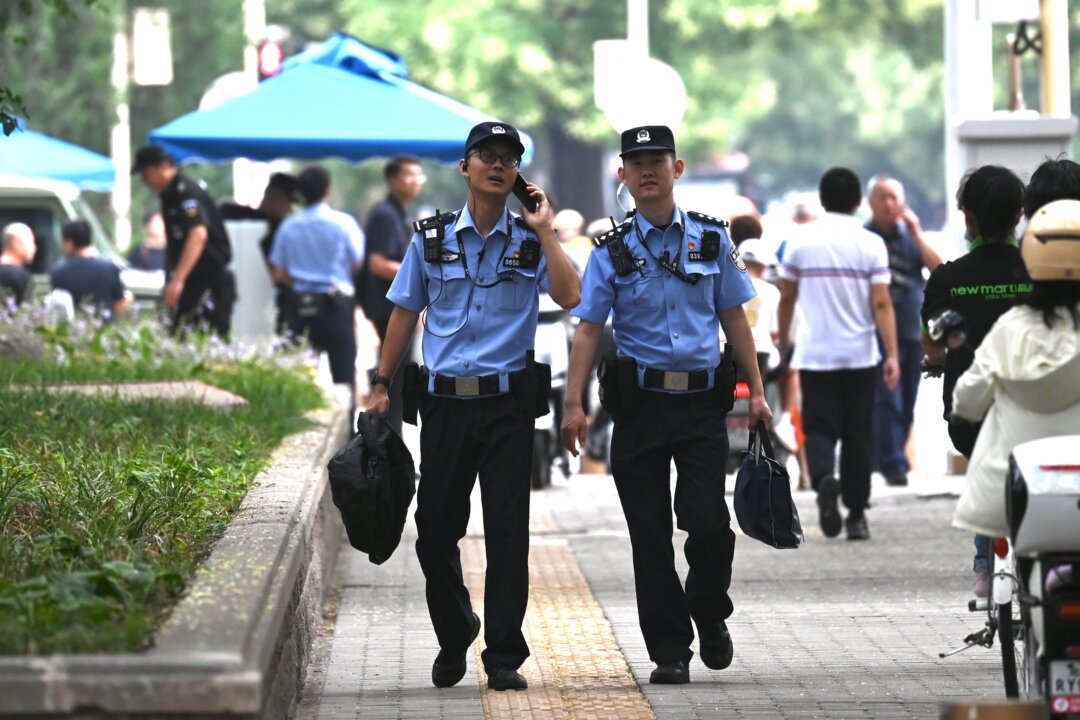
Xi Opens CCP Plenum Amid Sweeping Purges, Record-Low Attendance Forecast








Related Articles
China Business & EconomyChina NewsChina Technology
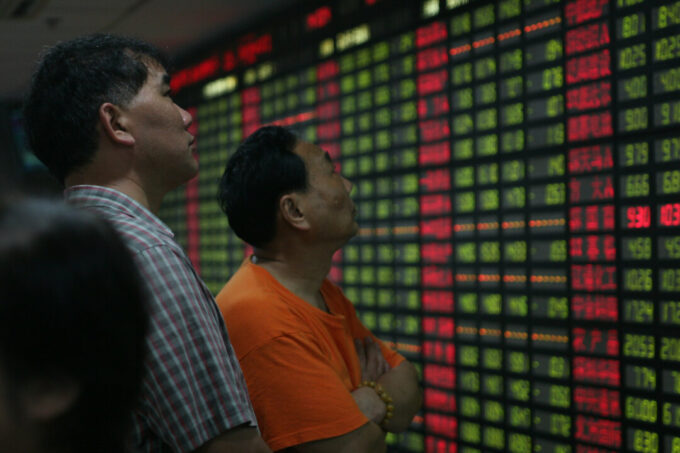
China Tech Index Plunges More Than 40 Percent From July Peak
China’s technology-heavy STAR 50 index has fallen by more than 40 percent...
China Business & EconomyChina NewsChinese RegimeFinance & Business TiesInside CCP OfficialdomSpecial Topics
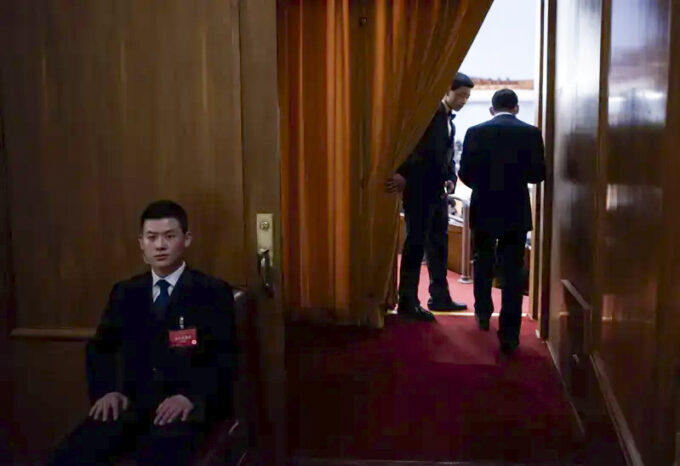
Chinas Economic Woes Deepen as CCP Plenum Focuses on Political Control
The Chinese Communist Party (CCP) opened a four-day leadership meeting in Beijing...

China NewsEuropeGlobalUK NewsWorld News
UK Must Be Ready for War in 1,000 Days, Says British Defense Secretary
British Defense Secretary Wes Streeting has said the country must be ready...



China NewsEuropeGlobalUK NewsUK Top NewsWorld News
UK Prime Minister Says He Agrees With Principle of Migration Reform
British Prime Minister Andy Burnham said on Oct. 26 that he agreed...
