
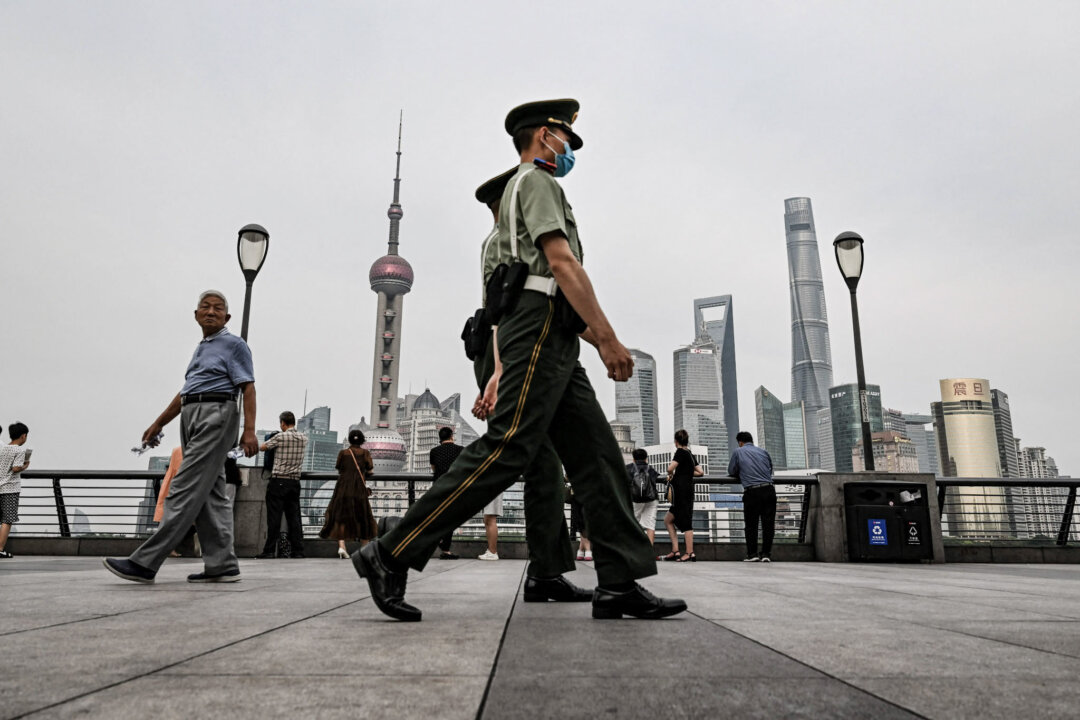
A U.S. scholar says policymakers are divided into five distinct—and sometimes competing—schools of thought on how to handle the Chinese Communist Party (CCP).
David Shambaugh, 72, an award-winning author and professor of Asian Studies at George Washington University, is in Australia promoting his latest book, Breaking the Engagement: How China Won and Lost America.
Shambaugh’s research suggests that China’s economic rise and the CCP’s militarisation in recent years has divided the foreign policy community—on matters like how to perceive the CCP’s motives, but also in how the West should respond.
Shambaugh previously served in the U.S. Department of State and on the National Security Council during the Carter administration (1977- 1979)
1. The CCP a ‘Stealthy Rival’
One school of thought sees the CCP as a “stealthy rival.”
“The idea here is that China has a secret grand strategy to undermine, overtake, and replace the United States as the world’s principal power,” Shambaugh told the audience at the University of Sydney’s U.S. Studies Centre on June 26.
“For this school, all the dots connect in China’s domestic and global behaviour, and they point to a regime doing its best to undermine the United States and the international, global liberal order.”








Ohio State Agrees to $2.1 Million Federal Settlement Over Undisclosed China Research Ties
Ohio State University has agreed to pay $2.1 million to resolve federal...
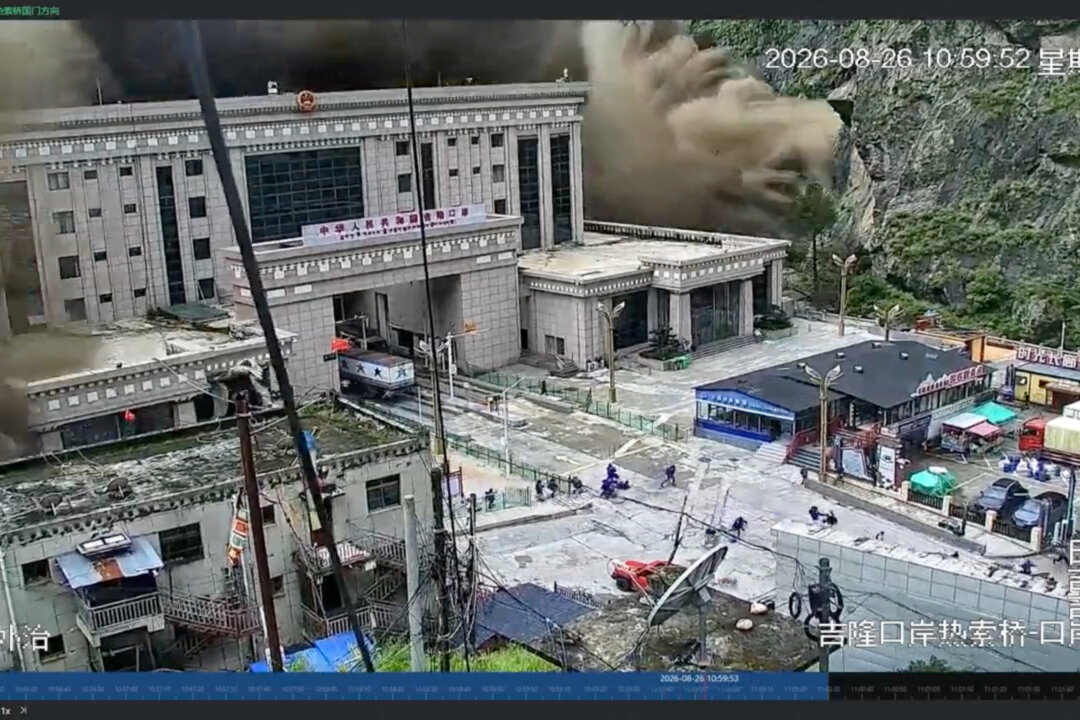
Chinese Scientists Flagged Glacial Flood Danger One Year Before Nepal Catastrophe
More than a year before the catastrophic flash flood devastated the China–Nepal...
Chinas Humanoid Robot Companies Face Reality Check
China is showcasing humanoid robots as symbols of its technological ambitions. However,...


Iceland Focuses on Security Partnerships After Voters Reject Opening EU Membership Talks
Icelandic Minister for Foreign Affairs Thorgerdur Katrin Gunnarsdottir attends a press conference...
