The Saskatchewan government has activated an emergency response after hundreds of reported overdoses in the city of Saskatoon.
The move comes after firefighters have responded to more than 300 overdoses since Feb. 25, according to government data. It said there were 67 overdose calls between March 9 and 11 and one suspicious death in that same timeframe.
Saskatchewan activated its Provincial Emergency Operations Centre (PEOC) on March 12 in response to the “toxic drug crisis” in Saskatoon, the province said in a press release. The PEOC uses an “incident command system” which centralizes the response between provincial ministries, agencies, and organizations to coordinate resources.
The surge in overdoses appears linked to a brownish-red fentanyl batch with such high fentanyl levels that patients require four or five doses of naloxone to recover, authorities said.
The Saskatchewan Public Safety Agency (SPSA) will coordinate the activation in collaboration with the City of Saskatoon and Ministry of Health as part of response efforts.
“Activating the PEOC will allow us to enhance the coordination between government ministries and organizations that respond to overdoses,” SPSA President Marlo Pritchard said.
Related Stories

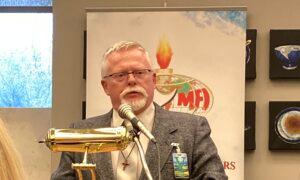
He said the approach will reinforce efforts being made across the province, and allow for more coordination, stronger communication, and a reduction in response gaps.
The province said it has also provided additional naloxone kits to organizations in Saskatoon.
“This alarming rise in overdoses in Saskatoon further emphasizes that no illicit drug is safe and anyone who uses drugs is at risk of overdose,” Mental Health and Addictions Minister Lori Carr said.
Getting people into treatment to overcome addiction problems is a “top priority” for the province, Carr said, noting that it is working on a mental health and addictions plan while “transitioning to a recovery-oriented system of care.”
Addictions Recovery Partnership
The Saskatchewan government said last spring it was partnering with Alberta and Ontario to build recovery systems to treat addiction.
“Saskatchewan is focused on helping people overcome addictions and live healthy, safe lives in recovery,” Saskatchewan Mental Health and Addictions, Seniors and Rural and Remote Health Minister Tim McLeod said in an April 2024 press release.
“Under our Action Plan for Mental Health and Addictions, we are doubling capacity to make addictions treatment more available, more accessible and transitioning to a Recovery-Oriented System of Care to better care for patients.”
Saskatchewan’s new Mental Health and Addictions Action Plan, announced in 2023, will add at least 500 more addictions treatment spaces to the publicly funded health-care system, according to a government news release, saying the move will double the treatment capacity.
Alberta Recovery Model
Alberta said it was “eager” to share its recovery model with the other provinces as part of the partnership between Saskatchewan, Alberta, and Ontario.
“We believe it is the most dignified, comprehensive, and compassionate approach of any jurisdiction across Canada in helping people overcome their mental health challenges and recover from the deadly disease of addiction,” Alberta Mental Health and Addictions Minister Dan Williams said.
Alberta recently announced details of its plan to build two addiction-recovery centres. The facilities will offer mental health and addiction supports, including space for intake assessments, medically-supported detox, counselling, and individual and group therapy, officials said. Addictions patients will be assessed and treated, then transitioned to community support, the government said.
The province is expected to spend $180 million over the next three years to build the centres.
The government has also said it is also working on legislation that would allow for involuntary treatment for those deemed to be a risk to public safety.
Carolina Avendano contributed to this article.