The Kremlin has dismissed reports in Western media that Russia is possibly planning strikes on NATO member Poland.“A lot of horror stories are being published about the Russian Federation,” Kremlin Spokesman Dmitry Peskov said on July 5, according to the state-run TASS news agency.In response to the denials, Polish Deputy Prime Minister and Minister of Foreign Affairs Radek Sikorski suggested parallels between Russia’s denial that it was planning an attack on Poland, and Russia’s claims that it had no intention of invading eastern Ukraine in the weeks leading up to the invasion in February 2022.“Of course, as long as Ukraine bravely defends itself and inflicts losses on Russia, Russia is unable to launch a general offensive on the West, including Poland. And that’s the reason why we’re helping Ukraine,” Sikorski said in a message posted via the Polish Ministry of Foreign Affairs’ X account on July 6.“However, Russia is capable of provocations. If Russian government officials say it won’t come to that, they might: first, be lying; second, they might have abandoned their intentions in light of our warnings.”On July 3, Polish Prime Minister Donald Tusk said that Warsaw was preparing extensively for a range of security scenarios, with Poland’s assessment informed by allied intelligence. However, he said he did not want to spread alarm about potential aggression from Moscow.“Poland is preparing very intensively for various scenarios. I don’t intend to frighten anyone, but the coming months, also because of the changing nature of the war in Ukraine, could be truly critical – particularly for the Baltic states,” Tusk said, according to Polish international news network TVP World.“These concerns are real. Let’s not be afraid. We are preparing for various situations, but we cannot underestimate them.”Polish Jets ScramblePoland’s Operational Command of the Armed Forces, at around 1:30 a.m. local time on July 6, issued an advisory stating that it was commencing military aviation operations over Polish territory due to Russian long-range aircraft in Ukrainian airspace.“Fighter jets have begun operations, while ground-based air defense systems and radar reconnaissance have reached a state of readiness,” the command said in a post on X.“These actions are preventive in nature and are aimed at securing and protecting the airspace, particularly in areas adjacent to the threatened regions.”Around two hours later, the Operational Command of the Armed Forces concluded operations and returned ground-based air defense systems and radar reconnaissance to standard operational activities, according to a post on X.No airspace violations were recorded, they said.The command said that the French Air Force had aided in securing Polish skies, thanking the Dutch Armed Forces for air defense system support.“[The Polish Army] continuously monitors the situation on the territory of Ukraine and remains in constant readiness to ensure the security of Polish airspace,” the command said.Reinforcement of NATO’s Eastern FlankThe security concerns follow NATO’s official launch of an additional headquarters to the Baltic region in an effort to reinforce the security alliance’s eastern flank.NATO troops in the Baltic states of Estonia, Latvia, and Lithuania, and in northern Poland, had been under the command of a single multinational headquarters based in the northwestern Polish city of Szczecin: the Multinational Corps Northeast.In May, the German and Dutch defense ministries announced that they would take command of a new, second multinational headquarters, under the 1 German-Netherlands Corps, based in Münster, Germany, which has assumed the command role specifically in the region of Estonia and Latvia.German Defense Minister Boris Pistorius said on June 30 that the shift in the security alliance’s posture “is a visible and strong demonstration of NATO’s unity, readiness, and of our collective determination to defend every inch of Allied territory.”Russia Not Interested in Attacking EuropeAllies in Europe have been particularly incentivized to boost regional security since the start of the Russia–Ukraine war in 2022.NATO has said Russia could launch a major assault on allied territory as early as 2029, if its armament efforts persist. However, Moscow has denied having any such intentions.In February, Russian Foreign Minister Sergey Lavrov said Moscow was not interested in launching a military assault on Europe but would retaliate if European forces attacked Russia.“And if Europe were to carry out its threats to prepare for war against us and launch an attack on the Russian Federation, [President Vladimir Putin] said that this would not be a special military operation on our part, but a full-scale military response using all available military means, in accordance with the relevant doctrinal documents,” Lavrov said at the time, according to comments reported by TASS.

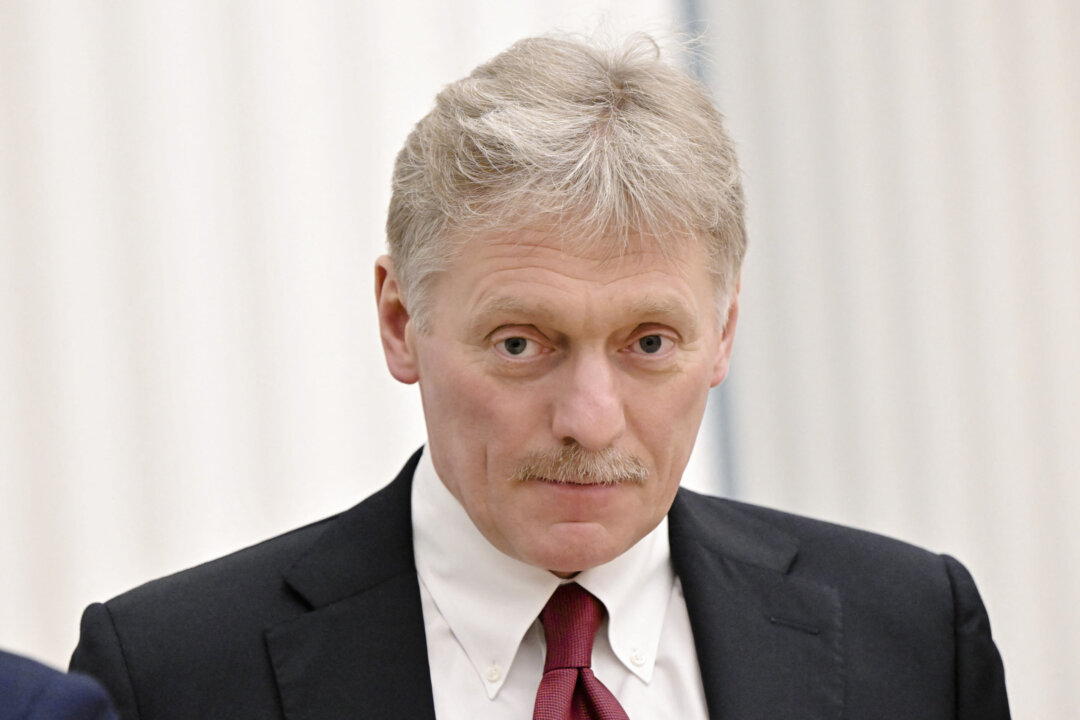
Kremlin Dismisses Claims Russia Plotting Armed Provocation in Poland









Related Articles

EuropeThe Final wakeup call
Lula wins a miracle election in Brazil. Now comes the hard part: putting the country back on the right track
Three weeks ago, Brazilian President Luiz Inácio Lula da Silva’s political obituaries...

EuropeThe Final wakeup call
US midterms: what a new Congress could and could not change for Europe
US midterm elections traditionally attract fewer voters than presidential contests. But this...

EuropeThe Final wakeup call
Political power without balance leads to the erosion of democracy, what Montesquieu can teach modern-day France
KEY TAKEAWAYS Democratic erosion does not start by doing away with elections;...



China Business & EconomyChina NewsChina Technology
China Tech Index Plunges More Than 40 Percent From July Peak
China’s technology-heavy STAR 50 index has fallen by more than 40 percent...
