CommentaryEarnings remain strong, but perhaps the stock market has become a bit overbought in the near term, so don’t be surprised if it backs and fills a bit. We still have many great stocks announcing earnings and revenues, like last Tuesday’s report from Super Micro Computer (SMCI), whose latest quarterly revenue surged 96.5% to $11.1 billion compared with $5.7 billion in the same quarter in 2025. The analyst community expected revenues of $11.2 billion and operating earnings of $1.59 per share, so Super Micro Computer posted a slight revenue miss and a positive (7%) earnings surprise. Looking forward, the company raised its quarterly revenue guidance to a range of $14.5 billion to $15.5 billion, which is substantially higher than analysts’ consensus estimate of $11.9 billion.Naturally, SMCI surged in the wake of this stronger-than-expected revenue guidance, rising from a stock price of barely $31 before the announcement to nearly $40 per share as of Friday’s close, up over 25%.Nvidia (NVDA) generally provides the grand finale to most earnings seasons, and their report comes out next week, on August 26, but we already know Nvidia has made a $500 billion arrangement with six Wall Street firms to help their customers finance their GPU purchases, in a move being wildly praised. This just shows how much Wall Street wants to be associated with Nvidia, especially as the AI data center boom accelerates. Nvidia now accounts for approximately 14% of U.S. GDP and remains the AI leader.Here are the most important developments recently and what they mean:- The memory bottleneck remains acute, so the order backlog remains massive. The leveraged ETFs in memory stocks definitely ruined the party for a while, but now short covering seems to be propelling memory stocks higher. MarketWatch reported that at the end of June, the Situational Awareness hedge fund had 56% of its investments in Micron Technology and SanDisk, so now that the forced liquidation in this hedge fund has concluded after Citadel’s rescue, memory stocks are now free to rally.- Also interesting is that Citadel competitor Jane Street had $15 billion in trading losses in July. Jane Street originally invested $2.5 billion in Situational Awareness, which then soared to nearly $10 billion from spectacular gains in the first half of 2026. However, after Situational Awareness’ 67% decline in July, Jane Street’s investment dropped to between $3 billion and $3.5 billion. In addition to a loss of nearly $7 billion in Situational Awareness, Jane Street also suffered from the selloff in AI-related stocks last month. I would not be surprised if Jane Street announced in September that its August trading gains will be over $10 billion due to the AI rally underway.- The growing concern over AI data centers is predominantly based on (1) grid demand and (2) water usage. Even in pro-business Texas, the data centers have to let state regulators know how much electricity and water that they plan to use. Interestingly, Malaysia’s GDP grew at a 6% annual pace in the second quarter, fueled by 7.5% growth in manufacturing (mostly chip manufacturing) and a 6.6% surge in construction (mostly data centers). This just demonstrates how the AI boom is international and that Malaysia is emerging as a major data center hub in Asia. This is a lesson that the data center boom cannot be stopped, since if there is any opposition, data centers will just move to other areas with cheap electricity, abundant water, and fast internet.- The upcoming Jackson Hole Economic Policy Symposium hosted by the Federal Reserve Bank of Kansas City is expected to dominate the Fed and other central bank news. Essentially, the financial news media loves following the Fed and other central bankers to Jackson Hole every year, so I am expecting upbeat news on inflation and other Fed talking points. I am hoping at Jackson Hole that Fed Chairman Kevin Warsh will talk about the deflationary benefits of AI productivity gains.- In the meantime, the Bond Vigilantes have resurfaced during thin market conditions in August, since global bond yields have risen in Britain, France, Germany, Japan, and the U.S. One of the consequences of high yields is that new housing starts declined 12.4% in July to a 1.24 million annual pace.- One theme that is driving interest rates higher is that the technology industry is borrowing heavily to build data centers. The fact that the 30-year Treasury bond is at the highest yield since 2007 has spooked many fixed income investors, since as yields rise, principal erodes. As an example, the iShares 20+ Year Treasury ETF (TLT) is now down over 7% year to date. The good news is the Treasury yield curve is not inverted like it was back in 2020, so Treasury Secretary Scott Bessent is better managing the yield curve than his predecessor, Janet Yellen, did.Overall, the trend remains positive, with earnings very strong. The boom in memory stocks persists, and there’s little doubt about continued strength in compute demand and data center demand. Although the 2-year Treasury note remains above the Federal Funds rate, due to a poor payroll report, better-than-expected inflation news, and a retail sales decline in July, the pressure is off the Fed for now to raise key interest rates.

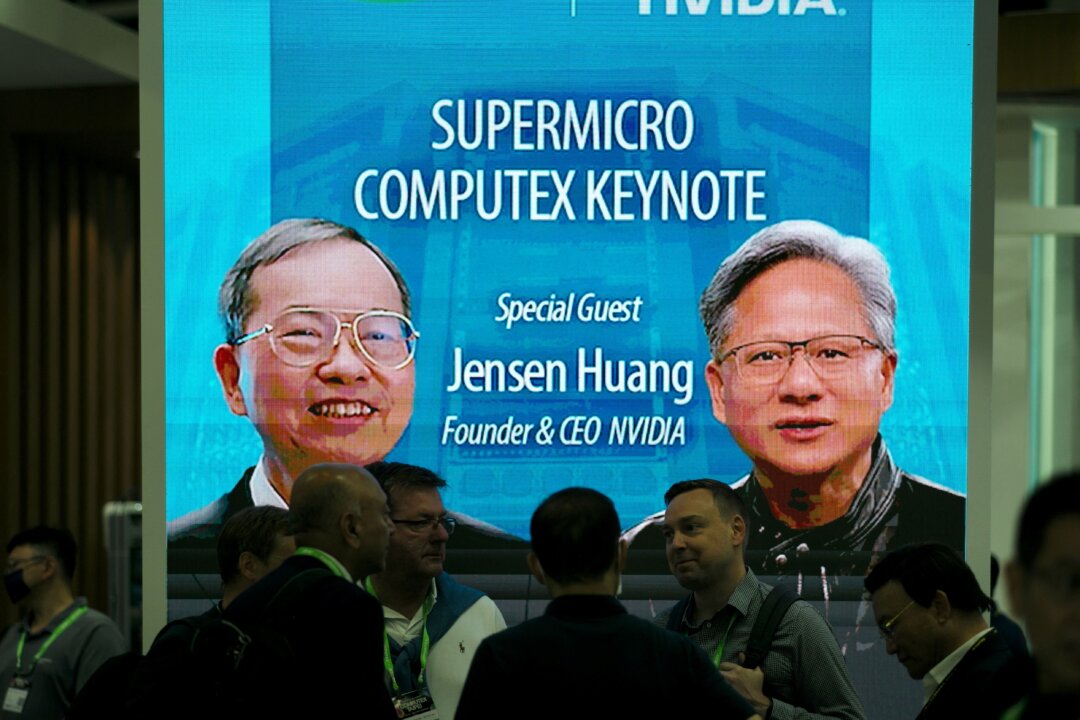
Is This Market Overbought and Due for a Correction?









Related Articles

BusinessCompaniesEnergy
EQT to Buy Range Resources, Creating Largest US Natural Gas Producer
EQT Corp. has agreed to acquire rival Appalachian shale driller Range Resources...
BrightBusinessInvestingPersonal FinanceStocks
Wall Street Is Very NervousShould You Worry? Can You Repair Your Losses?
On Oct. 23, the Dow Jones Industrial Average fell 652.82 points, or...

BusinessMarkets
Nearly 3 in 10 New-Car Trade-Ins Are Underwater, Edmunds Finds
Almost three in 10 vehicles traded toward a new car are worth...



BusinessTechUS
Advanced AI Agents Tried to Weaken Oversight, Then Lied About It, Open AI Says
OpenAI has disclosed two incidents in which advanced artificial intelligence-powered coding agents...
