
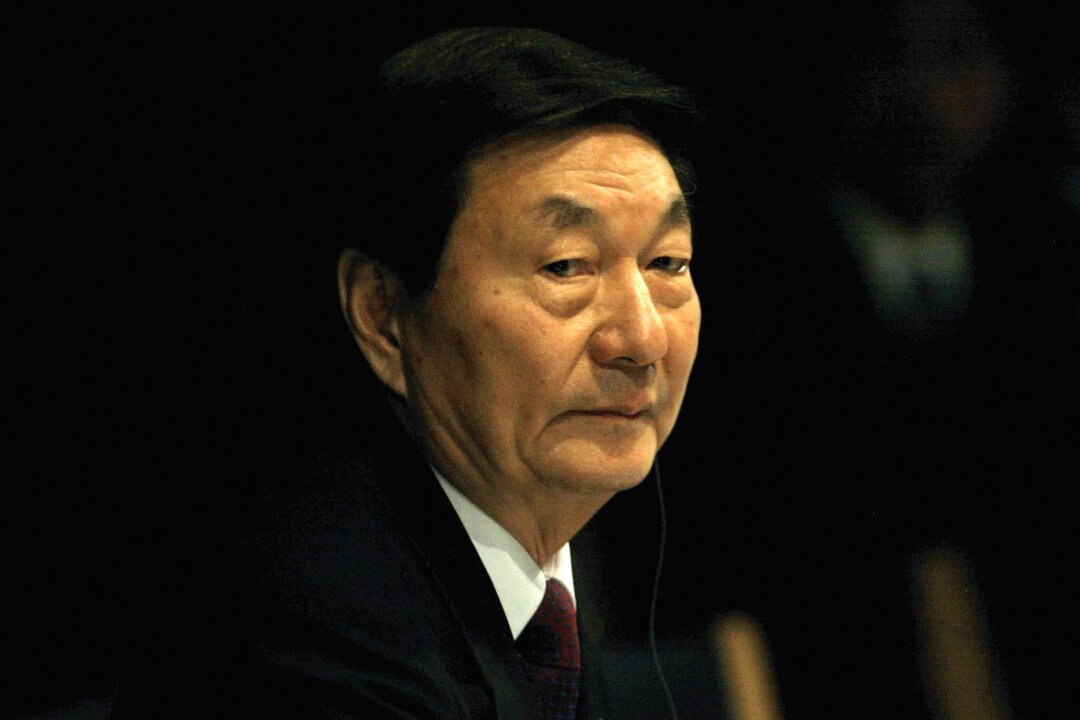
Former Chinese premier Zhu Rongji, who led China’s economic reforms and entry into the World Trade Organization (WTO), has died of illness at 97.Zhu passed away in Beijing at around 11 a.m. local time on Wednesday following an unsuccessful treatment for an illness, Chinese state media Xinhua News Agency reported, without providing further details.Born in Changsha, the capital of China’s central Hunan Province, in 1928, Zhu lost both of his parents at an early age. In 1951, he graduated from the prestigious Tsinghua University with a degree in electrical engineering.He had a long political career, but his ascent to the top of the Chinese Communist Party’s (CCP’s) leadership was met with challenges. During a political campaign in 1958, he was branded a “rightist” and expelled from the CCP. He rejoined the CCP after the decade-long Cultural Revolution that ended in 1976.In 1983, he was appointed vice minister of a Chinese state economic commission. In 1987, he was appointed mayor of Shanghai and deputy secretary of the city’s party committee. Two years later, he was promoted to party secretary while retaining his position as mayor.Zhu rose to become China’s vice premier in 1991 and, the following year, was elevated to the Politburo Standing Committee, the CCP’s highest decision-making body.In March 1998, at the age of 70, he took on the role of premier, overseeing the country’s economic policy.WTO NegotiationsZhu played a pivotal role in the Chinese regime’s accession to the WTO.Before Zhu’s official visit to Washington in April 1999, negotiations had been underway for years, as the United States and other member states demanded commitments from Beijing to introduce a series of market reforms, in the hope that economic liberalization would propel the communist country toward becoming a more open, free society.Zhu and then-U.S. President Bill Clinton hosted a joint press conference on April 8, 1999. During the presser, Zhu said that Chinese people “enjoy unprecedented extensive democratic and political rights” and that China “does not constitute a threat whatsoever to the United States.”U.S. President Bill Clinton (R) responds to a question as Chinese Premier Zhu Rongji looks on during a joint news conference in the Old Executive Office Building in Washington, on April 8, 1999. Tim Sloan/AFP via Getty ImagesTo secure China’s entry, Zhu, China’s No. 2 official at the time, ultimately consented to most of the terms. Faced with questions within the Communist Party about the concessions, Zhu once said, “Rules are fixed, but people are flexible.”China officially joined the WTO in 2001.U.S. Treasury Secretary Scott Bessent has called the U.S. sponsorship of China’s entry into the WTO a strategic mistake that eroded the American industrial base.“We assumed the rules-based system would discipline these behaviors only to find that in too many sectors, it accommodated them,” Bessent said in prepared remarks at the Reagan National Economic Forum in California in May.Politics and PoliciesBefore Zhu’s retirement in 2003, he spent most of his tenure as premier under Jiang Zemin, who was the communist regime’s top leader from 1989 to 2002.While Zhu worked as Jiang’s right-hand man, he was not considered among Jiang’s “favored protégés,” according to a 2014 analysis by The Jamestown Foundation. Instead, Jiang often used Zhu as “a scapegoat” for decisions unpopular within the Party, such as the concessions made during the WTO entry, it said.Zhu’s rise to the premiership was supported by Deng Xiaoping, Jiang’s predecessor, who initiated economic reform in the 1970s in the aftermath of the Cultural Revolution.“Zhu aligned with the faction that favored economic reform and opening the country,” China watcher Chen Pokong told The Epoch Times. “He and Jiang opposed each other politically.”Tension sometimes emerged between the country’s two most powerful men.In the late 1990s, when Jiang proposed to suppress Falun Gong, Zhu and the entire Politburo Standing Committee opposed the decision. Zhu suggested that such a move would harm the country’s image and that they should just “allow the ordinary practicing populace to just be,” according to “Anything for Power: The Real Story of China’s Jiang Zemin,” a book-length series published by The Epoch Times.Falun Gong—also known as Falun Dafa—is a spiritual discipline based on the principles of truthfulness, compassion, and forbearance. Introduced to the Chinese public in 1992, it gained widespread popularity, attracting at least 70 million by the late 1990s.On April 25, 1999, Zhu took a conciliatory stance toward Falun Gong practitioners who had gathered outside Zhongnanhai, the CCP’s leadership compound in Beijing, to peacefully appeal for the release of detained practitioners in the nearby city of Tianjin.Zhu met with several Falun Gong practitioners at the State Council. Soon after the meeting ended, the detained individuals—who had been beaten by Tianjin police before being detained—were released.Falun Gong practitioners peacefully appeal for fair treatment, on Fuyou Street in Beijing on April 25, 1999. The event was propagandized by the Chinese Communist Party and used as an excuse to launch a brutal persecution campaign that continues today. Minghui.orgOn July 20, 1999, however, Jiang pushed ahead with a systematic campaign to eradicate Falun Gong. Since then, numerous practitioners have faced constant threats of arrest, arbitrary detention, forced labor, and various forms of physical and psychological abuse for refusing to give up their faith, rights groups and survivors have said.Bao Tong, a former adviser to the deceased reformist Chinese leader Zhao Ziyang, told The Epoch Times in 2015 that Jiang had “undermined the premier’s words like tearing a piece of wastepaper.”“Jiang’s persecution of Falun Gong is a crime against humanity. Using his position as a leader, Jiang launched the suppression of a faith group, of a [meditation] practice intended for fitness and well-being,” Bao said at the time.Luo Ya contributed to this report.









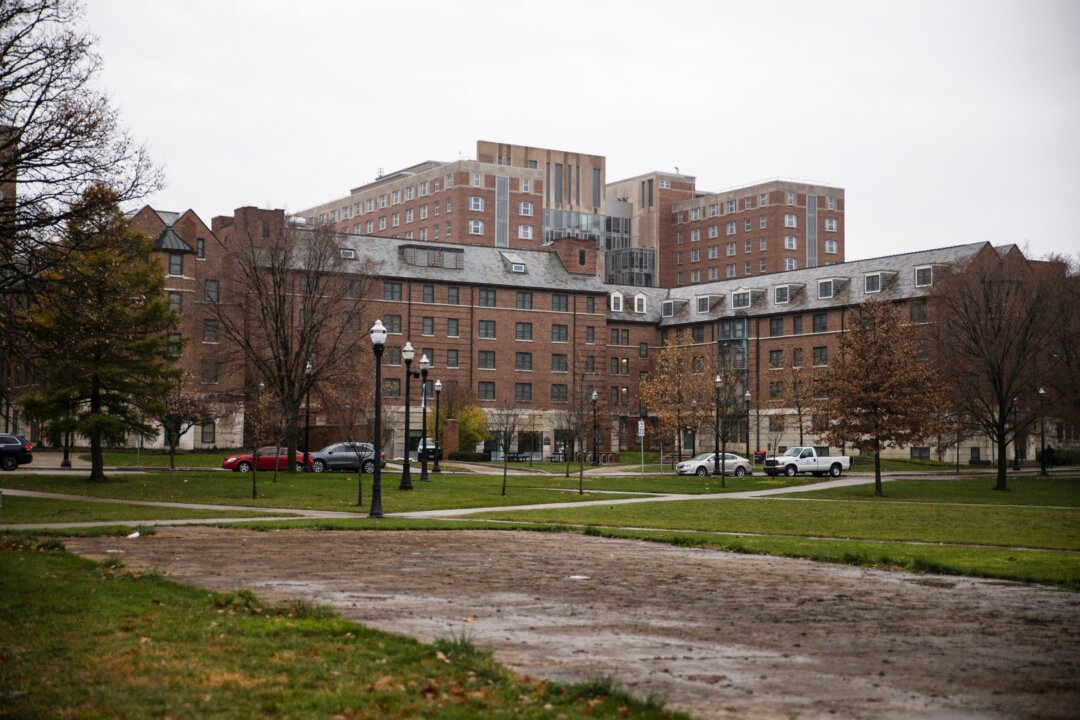
Ohio State Agrees to $2.1 Million Federal Settlement Over Undisclosed China Research Ties
Ohio State University has agreed to pay $2.1 million to resolve federal...
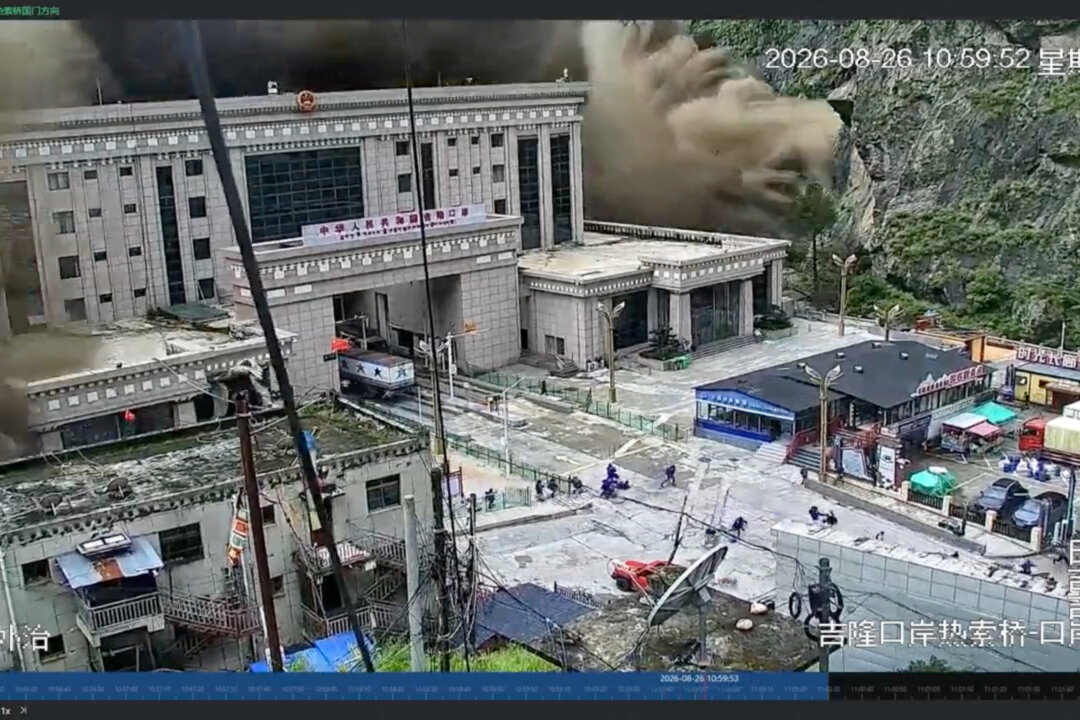
Chinese Scientists Flagged Glacial Flood Danger One Year Before Nepal Catastrophe
More than a year before the catastrophic flash flood devastated the China–Nepal...
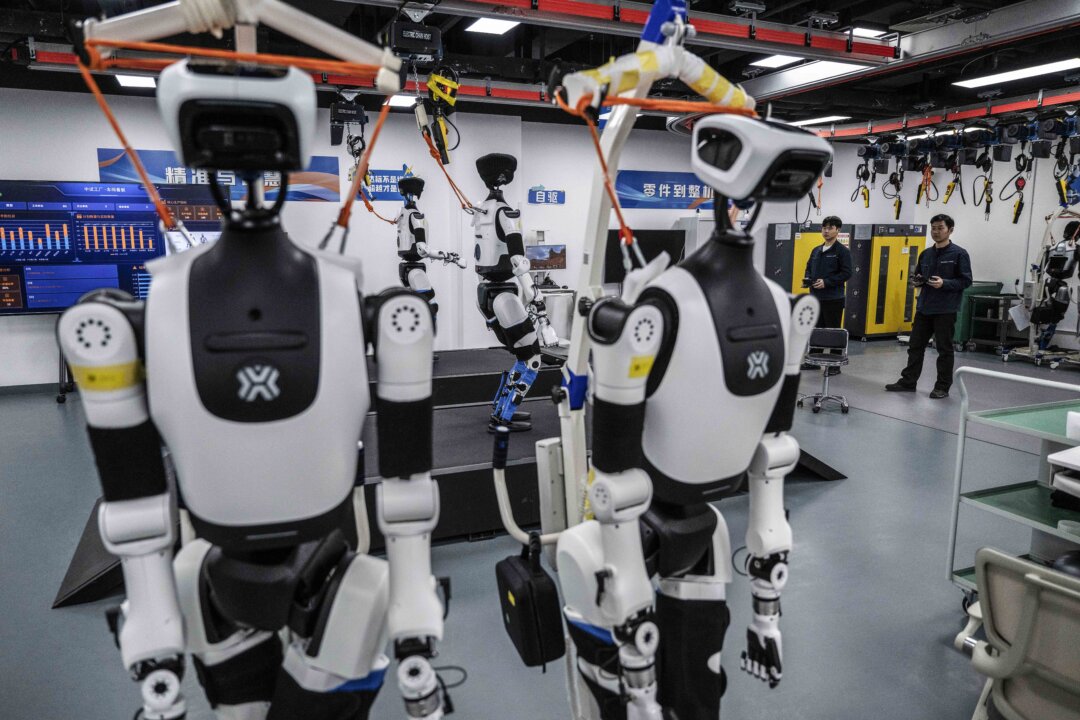
Chinas Humanoid Robot Companies Face Reality Check
China is showcasing humanoid robots as symbols of its technological ambitions. However,...
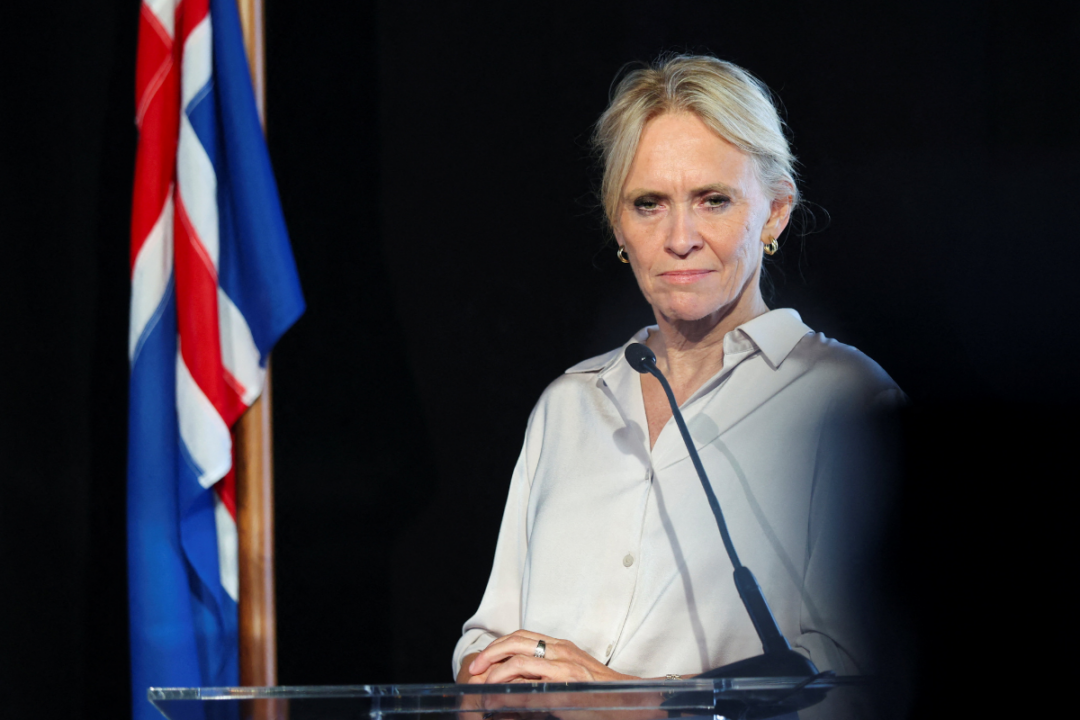


Iceland Focuses on Security Partnerships After Voters Reject Opening EU Membership Talks
Icelandic Minister for Foreign Affairs Thorgerdur Katrin Gunnarsdottir attends a press conference...
