
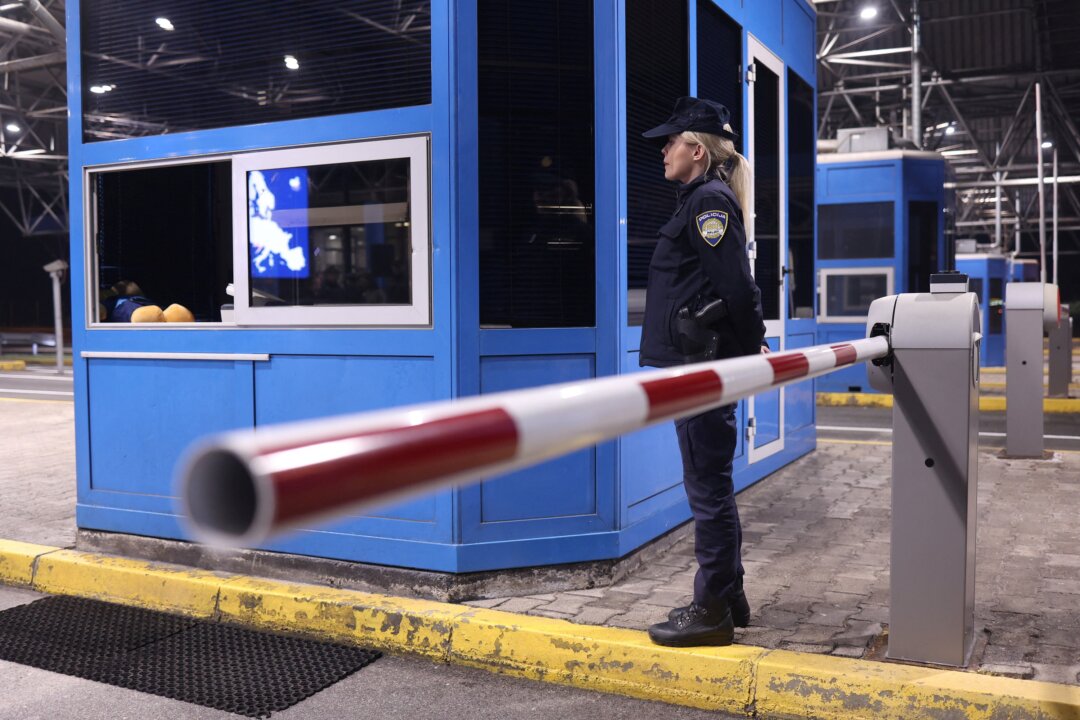

A police member stands guard while the border opens as Croatia enters the EU’s control-free Schengen area in Bregana, Croatia, on Jan. 1, 2023. Borut Zivulovic/Reuters
Forty years after its founding, the Schengen Area has expanded into the world’s largest border-free travel zone, encompassing 29 countries and more than 450 million people.
Described in Brussels as one of Europe’s greatest achievements, Schengen embodies the vision of a modern Europe shaped in the aftermath of World War II and the Cold War, where it stands not only as a symbol of mobility but as a core element of European integration and identity.










The EUs repair policies are changing the way tech is designed
In the late 1970s, concerned by resource use and scarcity, German industrial...

Chinese Scientists Flagged Glacial Flood Danger One Year Before Nepal Catastrophe
More than a year before the catastrophic flash flood devastated the China–Nepal...

Iceland Focuses on Security Partnerships After Voters Reject Opening EU Membership Talks
Icelandic Minister for Foreign Affairs Thorgerdur Katrin Gunnarsdottir attends a press conference...
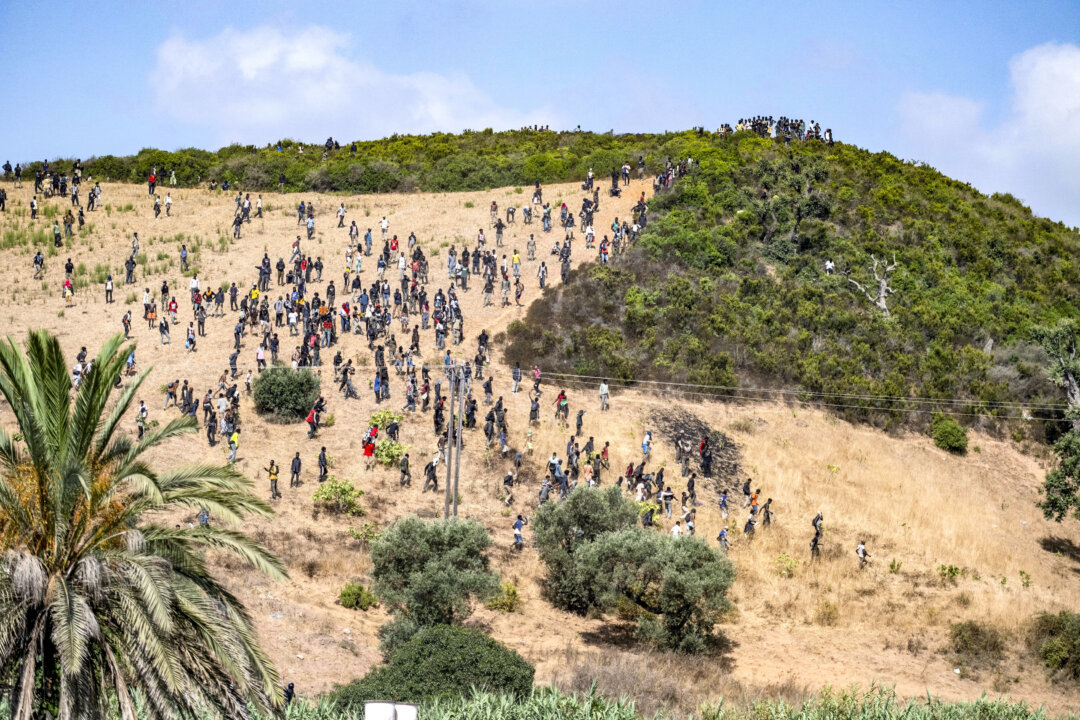


Italy, Spain Extend Tit-for-Tat Border Curbs After Ceuta Illegal Immigrant Crisis
Immigrants gather on a hill as they attempt crossing from the border...
