A Chinese paramilitary policeman stands guard at the main entrance gate of the Ministry of Commerce in Beijing, Jan. 9, 2019. AP Photo/Oliver ZhangChina says it will impose tariffs on Canadian pea starch following an investigation into anti-dumping activities.The Chinese Ministry of Commerce announced on June 30 that importers of Canadian pea starch will be required to post a preliminary 73.5 percent security deposit with Chinese customs beginning July 1.The new tariffs are being imposed following a probe launched in August 2025. The Ministry of Commerce said this week that its investigation had found that Canadian pea starch was being “dumped” in China, causing “material injury to the domestic industry.”According to trade data from Statistics Canada, China was the second-largest market for Canadian starches after the United States in 2025. Pea starch comes in the form of white powder and can be used as a thickening or binding agent in different types of food.The probe into pea starch had been launched on the same day China announced preliminary anti-dumping duties on Canadian canola, amid the trade dispute between Ottawa and Beijing.Some aspects of the trade conflict were resolved when Prime Minister Mark Carney visited Beijing in January.In exchange for Canada slashing its 100 percent tariff on Chinese electric vehicles to 6.1 percent for an initial 49,000 units, China agreed to temporarily reduce or remove tariffs on some Canadian agricultural and seafood products.Chinese tariffs on canola seeds were reduced from around 85 percent to about 15 percent. The 100 percent tariffs on canola meal and peas, and the 25 percent tariffs on lobster and crab were suspended until the end of 2026.While some of the Chinese tariff reductions are currently temporary, Canada is opening its market to up to 278,989 Chinese EVs over the next five years, saying this would provide Canadians with more affordable vehicle options.. The Canadian car industry says the move will negatively impact the market and pose a security threat, due to Beijing being potentially able to siphon data from connected autos.The initial Chinese tariffs came in retaliation for Canada imposing a 100 percent surtax on Chinese EVs in the fall of 2024, and 25 percent duties on Chinese steel and aluminum, in line with the Biden administration. Ottawa said it was imposing the tariffs to protect workers and supply chains against “unfair trade practices.”The new Chinese tariffs on pea starch were announced shortly after two Canadian ministers visited China to deepen ties.Industry Minister Mélanie Joly visited China in mid-June to meet with Chinese officials and carmakers, to discuss Chinese auto investments in Canada. Two weeks earlier, Culture Minister Marc Miller was in China to expand cultural cooperation.Chinese Foreign Minister Wang Yi also made a rare visit to Canada in late May amid the push to reset relations.Agriculture Canada and Global Affairs Canada were contacted for comment but didn’t respond by publication time.Conservatives reacted to the announcement of new Chinese tariffs, saying it “proves the Liberals’ trade strategy is a complete disaster.” They say the “strategic partnership” forged with Beijing which includes Chinese EV imports is “reckless.”“As Conservatives warned, there was no guarantee these trade barriers would be permanently, immediately or completely eliminated,” said MPs John Barlow, Stephanie Kusie, and Eric Duncan in a statement.

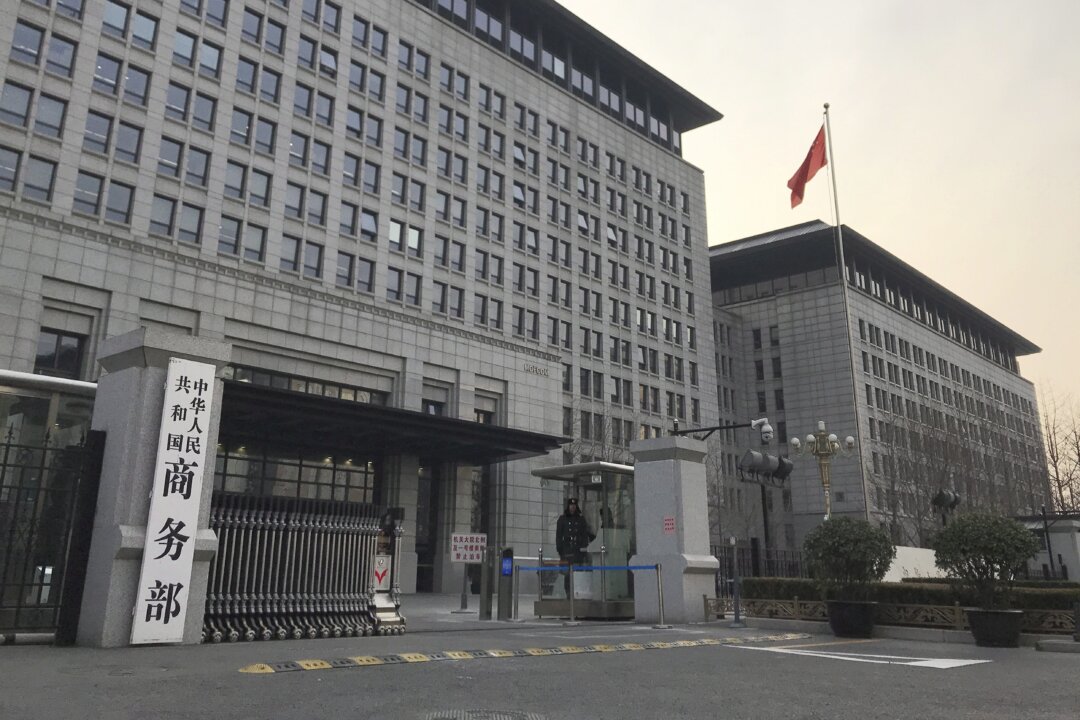
China Slaps 73.5 Percent Tariffs on Canadian Pea Starch







Related Articles

China NewsEuropeGlobalUK NewsWorld News
UK Must Be Ready for War in 1,000 Days, Says British Defense Secretary
British Defense Secretary Wes Streeting has said the country must be ready...

China NewsEuropeGlobalUK NewsUK Top NewsWorld News
UK Prime Minister Says He Agrees With Principle of Migration Reform
British Prime Minister Andy Burnham said on Oct. 26 that he agreed...

China NewsEuropeGlobalWorld News
Serbian President Concedes Election Defeat to Student-Led Coalition
Serbian President Aleksandar Vucic has conceded defeat in the Oct. 25 election...


Asia & PacificChina NewsEuropeInternational RelationsNational SecurityPolicies & ImpactsUSUS NewsUS-China RelationsWorld News
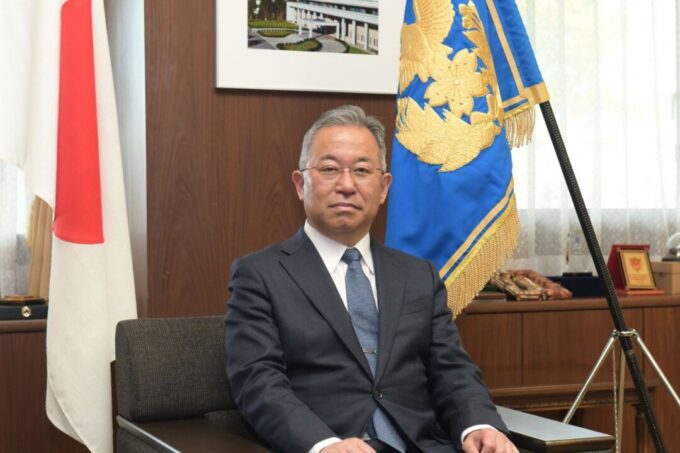
Japan Defense Academy Chief Calls for 3 Red Lines in Competition With China
Japan’s former top uniformed military officer has called for establishing three “red...
