

Chinese Communist Party (CCP) leaders have begun their annual two-week summer retreat in the northern resort town of Beidaihe, with Taiwan security officials saying this year’s discussions are centered on relations with the United States and Taiwan, which could shape Beijing’s approach to Taiwan’s 2026 local elections and the CCP’s 21st National Congress.The Taiwanese officials told The Epoch Times that the CCP views Taiwan’s local elections this year as a key test of the success or failure of its Taiwan policy and has directed that the island’s “patriotic forces” receive the strongest possible support.According to the officials, the CCP’s Taiwan policy discussions cover four main areas.First, Beijing intends to oppose what it describes as attempts to pursue independence through military means. The officials said Beijing believes that increased military spending by Taiwan or expanded deployment of drones would fundamentally undermine what it considers its favorable position in the Taiwan Strait and should therefore be opposed by all available forces.Second, Beijing plans to strengthen what the officials described as “substantive governance” of Taiwan. The strategy would seek to constrain Taiwan’s room for maneuver internationally while challenging what Beijing regards as the island’s claims to sovereignty through legal, psychological, international and military means.Third, Beijing plans to mobilize all available resources to rally Taiwanese groups opposed to independence and turn opposition to Taiwan independence into support for eventual unification, the officials said.Fourth, Beijing considers Taiwan’s 2026 local elections a crucial measure of the effectiveness of its Taiwan policy and plans to give maximum support to pro-Beijing forces in Taiwan.The Taiwanese officials’ account comes as Beijing has continued to combine military pressure around Taiwan with political and economic efforts aimed at influencing the island’s politics.The Beidaihe discussions are also focused on relations with Washington, particularly ahead of an expected visit by CCP leader Xi Jinping to the United States on Sept. 24, according to the officials.They said Beijing’s strategy toward the United States has three main components.The first is to use trade and purchases to cultivate ties with Washington while isolating Japan, the Philippines and Taiwan. Beijing is expected to implement purchase commitments made during the previous “Trump-Xi meeting” in successive rounds, using them as continuing leverage to influence U.S. policy, the officials said.The second is to prevent a new round of U.S. arms sales to Taiwan.“Be sure to block new U.S. arms sales to Taiwan at this new stage, so as not to disrupt the current strategic layout,” a Taiwanese security official said, describing Beijing’s position.The official said Beijing is likely to continue trying to prevent Washington from approving additional and future weapons sales to Taiwan because Taiwan’s efforts to strengthen its military capabilities could undermine Chinese military deployments built up over many years in the region.The third component is to exploit the wars in Ukraine and the Middle East to create what Beijing sees as strategic opportunities in which China gains relative strength as the United States is distracted elsewhere, according to the officials.Personnel Changes Alongside policy discussions, personnel issues are expected to be a major focus of the Beidaihe period.The Taiwan officials said the CCP is expected to address vacancies among senior military officers, including generals and theater commanders. They said priority could be given to commanders responsible for areas facing the island chains, particularly the Eastern Theater Command, which is responsible for military operations involving Taiwan and Japan, as well as the Central Theater Command, which is responsible for defending the capital.The officials also described preparations for a yearlong political purge ahead of the CCP’s 21st National Congress, aimed at what Beijing calls “major issues concerning comprehensively strengthening Party discipline.”The campaign is expected to target what the officials called the “three impurities”—ideological impurity, organizational impurity, and behavioral impurity.“Ideological impurity” would target officials considered disloyal to Xi’s leadership core. “Organizational impurity” would focus on officials involved in small circles and factional groups. “Behavioral impurity” would target officials seen as overly close to the United States.The latter category could include officials with close personal or family ties to the West. The Taiwanese officials specifically referred to CCP officials who are “in Beijing but have their families in the United States,” describing them as potential targets of the campaign.The Taiwanese officials linked the planned political screening to recently revised regulations governing entry into and exit from China, saying those measures could be comprehensively enforced after the Fifth Plenum and implemented in stages before the 21st National Congress as part of preparations for future personnel changes.The officials said Beijing has already established three criteria for selecting personnel for the new leadership lineup after the 21st National Congress.The first is absolute loyalty to Xi. Officials must demonstrate ideological, political and practical alignment with him as the Party’s central leader.The second is confidence in defeating the United States. Officials considered part of the “three impurities” would be removed, while their families would also be expected to have no ties to American or Western groups.The third applies specifically to military appointments. In addition to meeting the other requirements, military officers will be expected to have a thorough understanding of Xi’s military ideology. The officials said the Party may eventually use random written or oral tests to determine whether officers genuinely and psychologically accept the requirement of obedience.The officials said the broader campaign is intended to eliminate what Beijing considers threats to the Party’s core leadership and to Xi’s authority.Wu Min-chou, Lin Cheng-yi, and Chang Huai-jen contributed to this report.









Ohio State Agrees to $2.1 Million Federal Settlement Over Undisclosed China Research Ties
Ohio State University has agreed to pay $2.1 million to resolve federal...
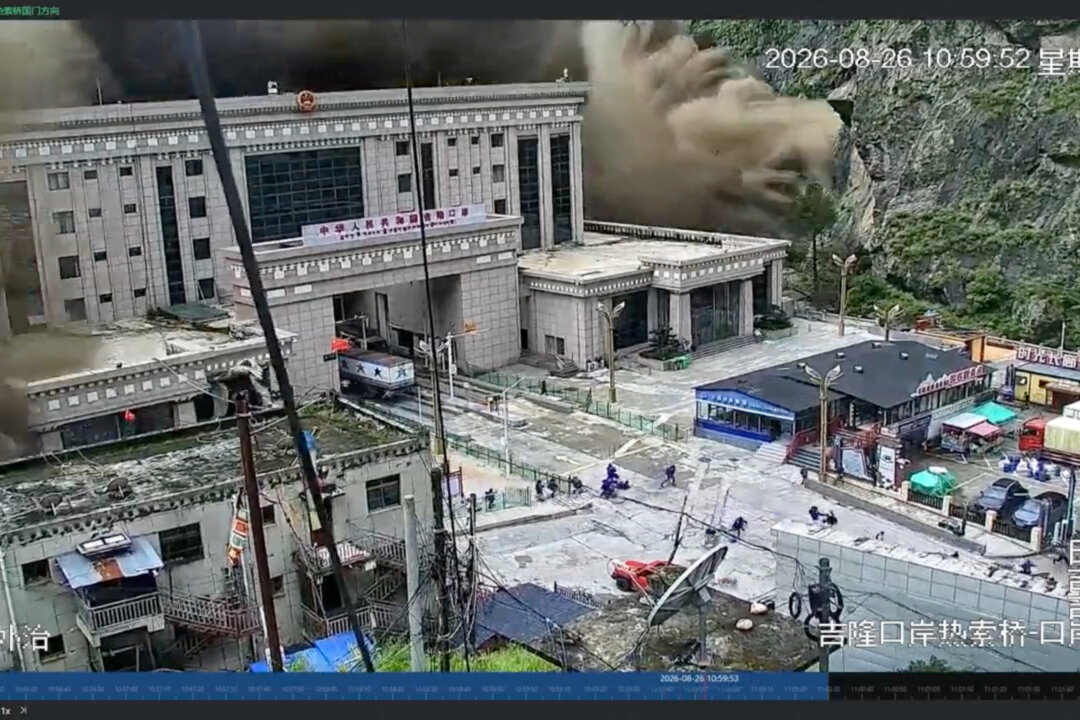
Chinese Scientists Flagged Glacial Flood Danger One Year Before Nepal Catastrophe
More than a year before the catastrophic flash flood devastated the China–Nepal...
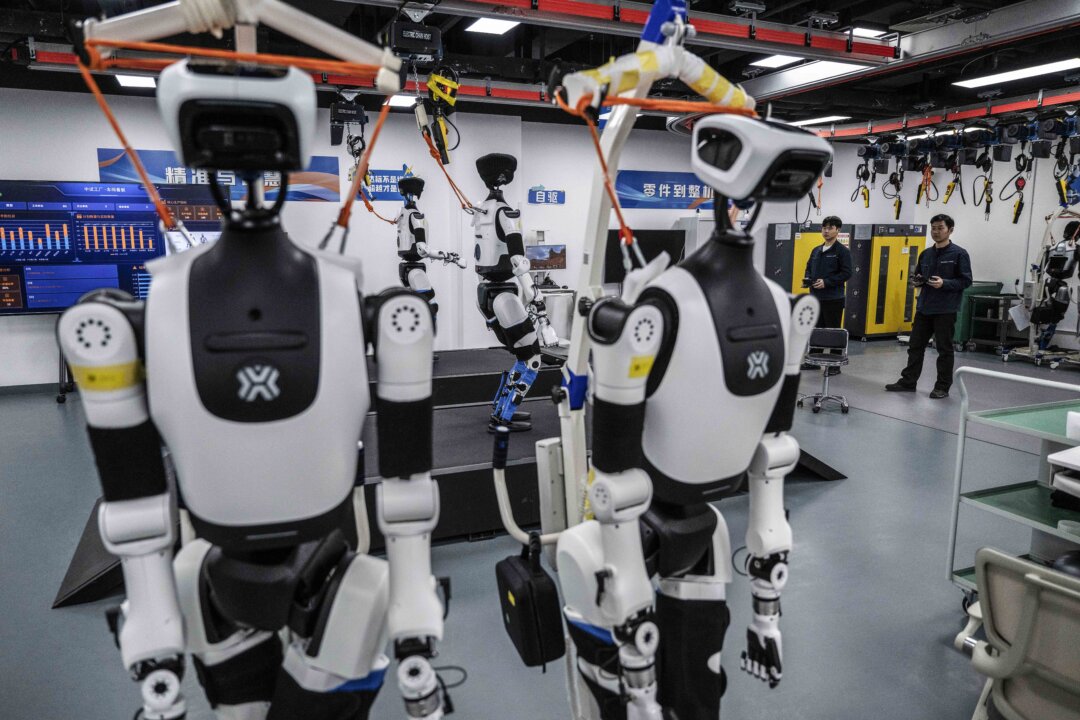
Chinas Humanoid Robot Companies Face Reality Check
China is showcasing humanoid robots as symbols of its technological ambitions. However,...
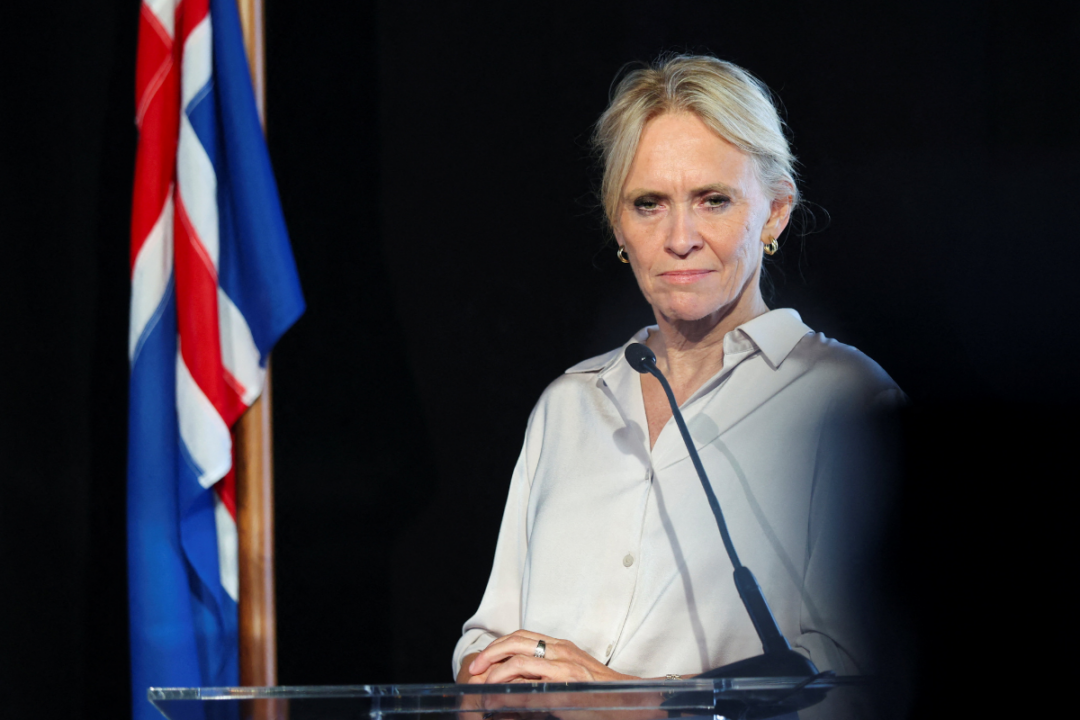


Iceland Focuses on Security Partnerships After Voters Reject Opening EU Membership Talks
Icelandic Minister for Foreign Affairs Thorgerdur Katrin Gunnarsdottir attends a press conference...
