Prime Minister Mark Carney says trade talks with the United States failed over auto-sector tariffs and other demands that he said would adversely impact Canada’s sovereignty.U.S. President Donald Trump delayed his 50 percent tariffs on about $28 billion in Canadian goods for three days as the two sides worked on a deal, which ultimately fell through on Aug. 21.Ottawa’s decision to walk away from the negotiating table came down to three specific factors, Carney said when asked by a reporter what last-minute changes by the United States made a deal untenable. Carney made the comments while speaking on Parliament Hill Aug. 22.Certain tariff reductions applicable to the auto industry proposed by the U.S. side in exchange for concessions would not apply to trucks, he said. In effect, that would mean that producing trucks at Ford’s new plant in Oakville, Ont., would become economically unviable over time.“With respect to Ford’s new plant, for example, in Oakville, which is F-350s, 450s, 550s, they would have been excluded. GM, Silverado, same thing, would have been excluded from that,” he said.The United States also sought to restrict Canada’s ability to engage in trade deals. That would impact 20 new economic and security partnerships that Canada reached with other countries over the past year, which would collectively double Canada’s market access, he said.“We’re the partner of choice in many respects for countries around the world, and the Americans wanted to restrict that. They had language that what they wanted was to restrict that. Unacceptable,” he said.One of those deals is the Canada-Indonesia Comprehensive Economic Partnership Agreement signed on Sept. 24, 2025—Canada’s first bilateral trade agreement with an ASEAN country. The deal eliminates or reduces tariffs on more than 95 percent of current Canadian exports to Indonesia, and is accompanied by a defence agreement. In the same month, Canada and Mexico created a Comprehensive Strategic Partnership covering trade and investment, as well as a bilateral security dialogue.The United States had also continually made efforts to restrict Canada’s protections of its language, culture, and sovereignty, Carney said.Speaking afterward in French, he said that there were “threats” to a deal over protections of French-language content.Under the Online Streaming Act, large streaming services must follow Canadian broadcasting rules and contribute 15 percent of their Canadian revenues to support Canadian programming, including French-language productions.The Canadian Radio-television and Telecommunications Commission also has rules aimed at making Canadian and indigenous content, including French-language programming, easier for users to find on streaming platforms.Carney was asked at the press conference if Canada made any last-minute requests that caused the talks to collapse, which he denied.“No. There’s a short answer. From our perspective, we clarified what was on offer and were continually disappointed by the answers,” Carney said.For its part, Washington blamed Canada for the failure of the trade talks, with U.S. Trade Representative Jamieson Greer saying Ottawa made “new demands and walk-backs of other commitments.”“Under President Trump, Canada has had the lowest tariffs for its exports to the U.S. market. At the last minute, Canada walked away from a nearly completed deal that would have lowered these tariffs even further,” the Office of the U.S. Trade Representative wrote on Facebook.In the post, the office shared a clip from a Fox interview with Greer.“We’re moving forward with measures that respond to Canadian retaliation. Remember, as President Trump has introduced a trade policy to reshore American production and protect American jobs, two countries have retaliated against the United States: the People’s Republic of China and Canada,” Greer said in the interview.

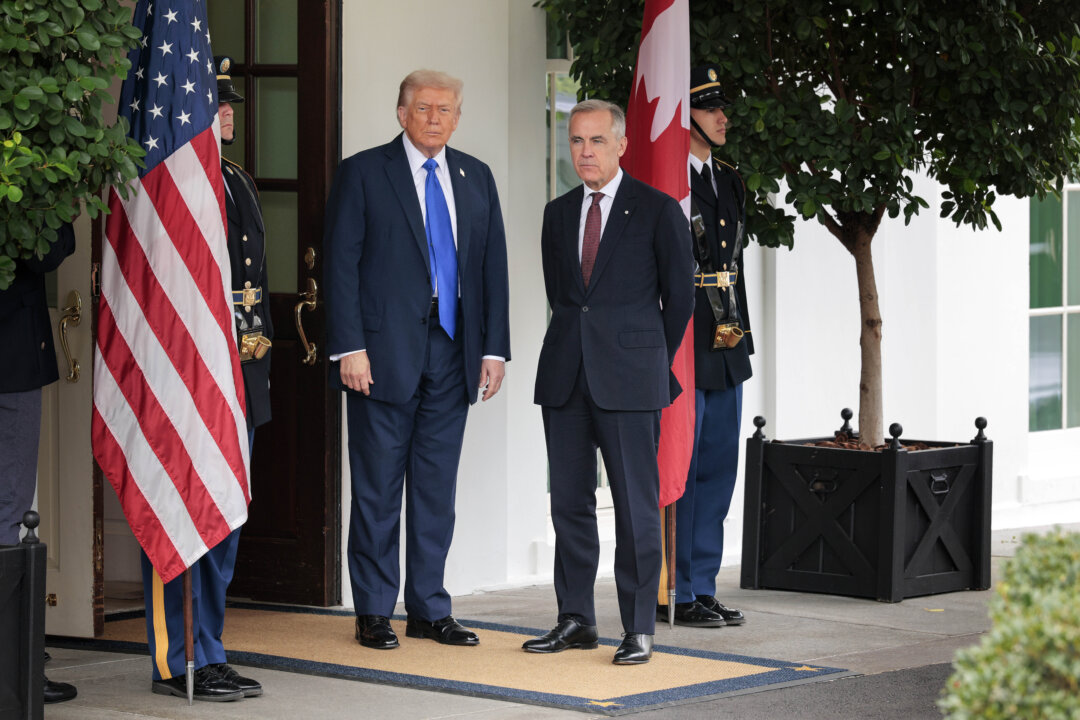
Carney Blames 3 Factors for Derailing US Trade Talks






Related Articles
and CoercionAttacksAustralia Featured NewsAustralia NewsAustralia Top NewsChina NewsChina-Australia RelationsInfluence Operations and EspionageInternational RelationsThreatsTransnational RepressionWorld News
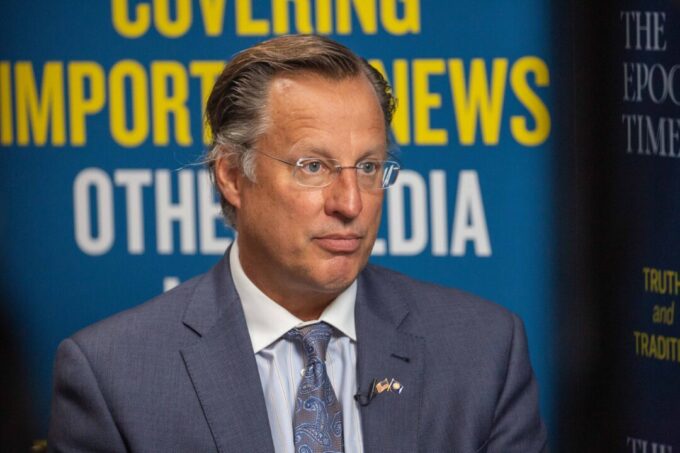
US Embassy Condemns CCP-Linked Transnational Repression in Australia
Dave Brat, dean of Liberty University's School of Business, in Washington on...
Asia & PacificChina NewsChinese RegimeGlobalUSUS NewsWorld News
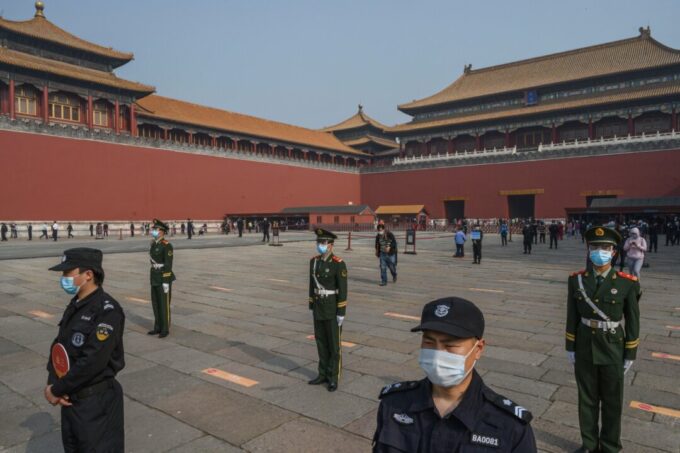
Chinas Transplant System Masks Human Rights Abuses, Report Finds
Doctors in China are more likely to stay silent in the face...
China NewsEuropeGlobalRussia-Ukraine WarWorld News
NATO to Increase Black Sea Presence Following Drone Attacks on Shipping
NATO will send additional military equipment and aircraft to the Black Sea,...


China NewsEuropeGlobalRussia-Ukraine WarUSWorld News
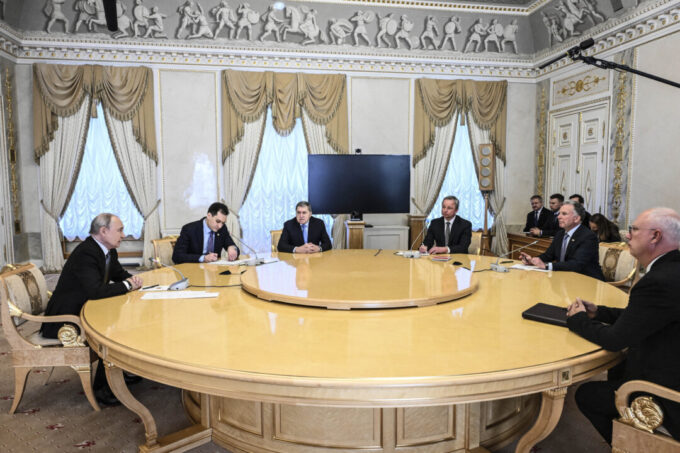
Witkoff, Putin Meet for Talks on Ukraine in St. Petersburg
U.S. special envoy Steve Witkoff met with Russian President Vladimir Putin in...
