Two people died in a suspected bear attack near La Ronge in northern Saskatchewan on July 15, according to Saskatchewan’s Ministry of Community Safety.The bodies of two individuals were found in the area of McTavish Lake, the ministry said in a news release.The bear suspected to be involved was located and euthanized by conservation officers following the incident, the release says, adding that a necropsy would be performed on the bear’s body at Western College of Veterinary Medicine.The ministry said the RCMP was initially involved in the investigation, but is no longer involved since the cause of deaths was deemed unsuspicious. The matter would now be handled by the Saskatchewan Conservation Officer Service and Coroner’s Service, it said while thanking the RCMP for its support in the investigation.The ministry did not identify the individuals who died in the incident, due to the ongoing nature of the investigation. No further updates would be provided as of now, it said.McTavish Lake is a remote wilderness lake located about 88 to 90 kilometres north of La Ronge in Saskatchewan’s Canadian Shield. With no road access, the lake can only be reached by aircraft, including floatplanes during the summer months.The area is popular for recreational fishing with species including lake trout, northern pike, and lake whitefish. The area is home to a sizable wildlife population, including black bears.Provincial officials say most bears avoid people, but encounters can occur when bears are surprised, protecting food sources, or become accustomed to human-provided food such as garbage, pet food, or bird seed.The ministry advises people spending time outdoors, especially in remote areas like McTavish Lake, to remain “bear aware” by making noise while hiking, travelling in groups when possible, and carrying bear spray in areas where bears may be present. Officials also recommend keeping pets under control, securing garbage, storing food properly, and avoiding leaving attractants around campsites.Bears should never be approached or fed, it says, warning that such behaviour can make bears comfortable around humans, and they may eventually have to be euthanized by authorities.The ministry advises anyone encountering a bear to remain calm, avoid running, and slowly back away while speaking in a low tone. It advises giving the bear plenty of space and avoiding looking directly at the bear.Climbing a tree is not an effective escape strategy because black bears are capable climbers, it says.“In most cases, black bears will threaten but not attack. If attacked, defend yourself. DO NOT PLAY DEAD,” according to a Saskatchewan provincial website.The last fatal bear attack in the province happened in May when a 27-year-old man was attacked by a bear at a remote uranium exploration site in northern Saskatchewan.

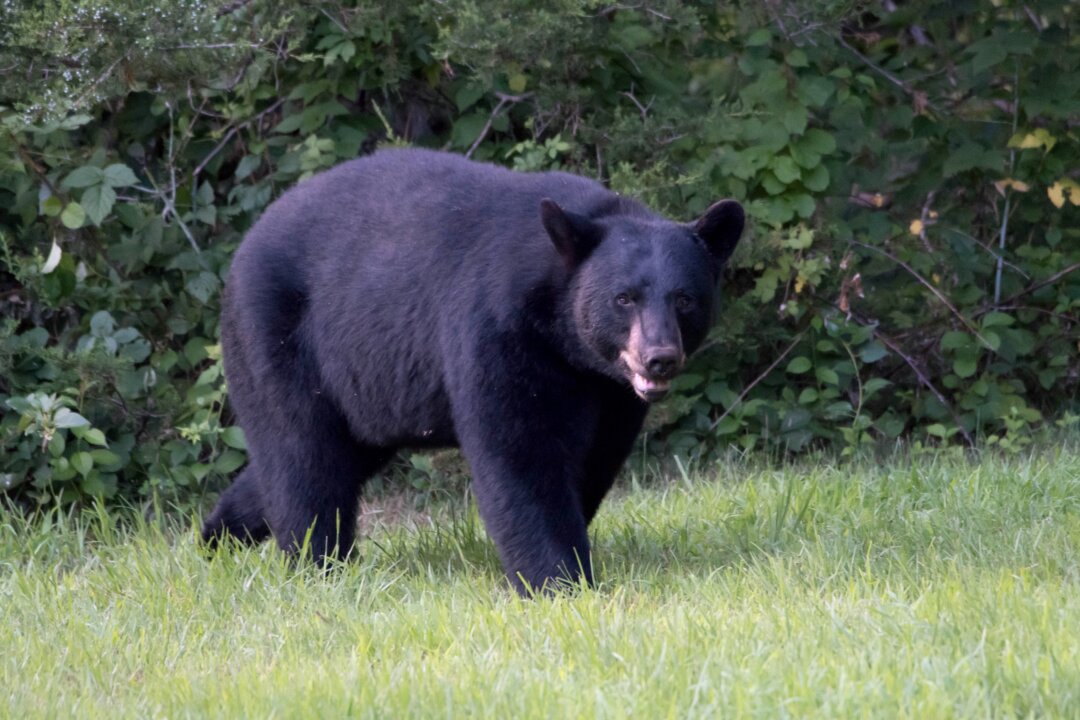
Bear Involved in Deaths of 2 People in Northern Saskatchewan








Related Articles

China NewsEuropeGlobalUK NewsWorld News
UK Must Be Ready for War in 1,000 Days, Says British Defense Secretary
British Defense Secretary Wes Streeting has said the country must be ready...

China NewsEuropeGlobalUK NewsUK Top NewsWorld News
UK Prime Minister Says He Agrees With Principle of Migration Reform
British Prime Minister Andy Burnham said on Oct. 26 that he agreed...

China NewsEuropeGlobalWorld News
Serbian President Concedes Election Defeat to Student-Led Coalition
Serbian President Aleksandar Vucic has conceded defeat in the Oct. 25 election...



Asia & PacificChina NewsEuropeInternational RelationsNational SecurityPolicies & ImpactsUSUS NewsUS-China RelationsWorld News
Japan Defense Academy Chief Calls for 3 Red Lines in Competition With China
Japan’s former top uniformed military officer has called for establishing three “red...
