As floods, labor disputes, and other social tensions mount across China, the regime is stepping up efforts to suppress online discussion of incidents that could fuel public anger, according to regime insiders and residents.The insiders and residents spoke to The Epoch Times on condition of anonymity out of fear of reprisal.People who post or share videos showing alleged government failures in disaster relief, unpaid workers protesting for wages, homeowners defending their rights, or medical disputes risk being questioned by police, detained for up to 10 days, or, in more serious cases, facing criminal charges.The clampdown comes as local authorities grapple with severe flooding in parts of the country and face growing public criticism of emergency response efforts.A source from within the Chinese Communist Party (CCP) told The Epoch Times that central authorities have recently ordered local authorities to strengthen both flood-control efforts and “stability maintenance” measures, a term commonly used by the CCP to describe its domestic security and social control apparatus.“The authorities are most afraid that ordinary people will film what happens on the ground and post it online,” he said.“Videos showing neighborhoods left underwater, delayed rescue efforts, or local officials failing to appear quickly lead people to ask who should be held responsible.”“It’s no longer just about deleting videos. Authorities are investigating who filmed them, who shared them, and even what people said in private chat groups. Many people bypass China’s internet [censorship] to view overseas platforms where these incidents are widely circulated, and that has made the authorities increasingly nervous.”Local Authorities Target ‘Negative’ NewsThe concerns appear to have been driven in part by a series of widely shared videos showing protests and public disputes across China between July 7 and July 13.The footage included family members demanding answers after a patient’s death following surgery in Xingtai, Hebei Province; relatives protesting after a villager died in an electricity-related accident, also in Hebei; high school students protesting shortened summer vacation; construction workers in Guangxi climbing a bridge to demand unpaid wages; and migrant workers in Yunnan collectively seeking back pay.Some videos showed police detaining or restraining protesters.A public-sector employee responsible for the CCP’s propaganda work in Guangdong Province, surnamed Wang, told The Epoch Times that local authorities are increasingly concerned that such incidents could spread overseas and draw criticism from Beijing.“Local officials are worried about being held accountable,” he said. “They’re trying to suppress what they call ‘negative information,’ especially reports involving rights-defense activities.”According to Wang, some regime agencies, public institutions, and hospitals have instructed employees to promote what the CCP describes as “positive energy” while avoiding the sharing of or even “liking” posts about emergencies or social unrest.One resident in China says the campaign has extended into grassroots neighborhoods.A woman surnamed Zhao from Chengde, Hebei Province, told The Epoch Times that community grid workers—grassroots personnel employed to monitor neighborhoods—recently posted notices warning residents not to share so-called “negative” videos in social media groups.“They told everyone not to repost videos about workers defending their rights, elderly people collapsing without help, or delivery drivers working 10-hour days,” Zhao said. “They warned that if you’re caught, police will first talk to you, and if you don’t comply, you could be detained.”On July 13, the cyber police bureau under China’s Ministry of Public Security announced 25 cases involving what authorities described as online rumors about floods and disasters, according to a report on the Chinese news portal Sohu.According to the announcement, four people were placed under criminal detention, 23 received administrative penalties, and multiple social media accounts were shut down. The regime also warned internet users against reposting, editing, or using AI to create what they called false disaster-related content.Another Chinese resident and active netizen told The Epoch Times that censorship on China’s major online platforms has intensified.The resident of Zibo, Shandong Province, surnamed Sun, told The Epoch Times that videos posted on Bilibili, WeChat, Douyin, and private chat groups that involve wage protests or social conflicts are now removed far more quickly than before.“Videos showing companies unable to pay workers because banks froze their accounts, or workers demanding unpaid wages, are simply not allowed online anymore,” Sun said. “Videos that people could still post a few months ago are no longer allowed.”According to Sun, removing online content is often only the first step.“Police trace the original posters through account registration records, phone numbers, and chat histories,” he said. “Even if someone didn’t participate in a protest, simply filming it, forwarding a video, or commenting in a chat group can lead to questioning or detention.”Wu Ting contributed to this report.

As Public Frustration Grows in China, the State Intensifies Campaign to Silence Online Dissent
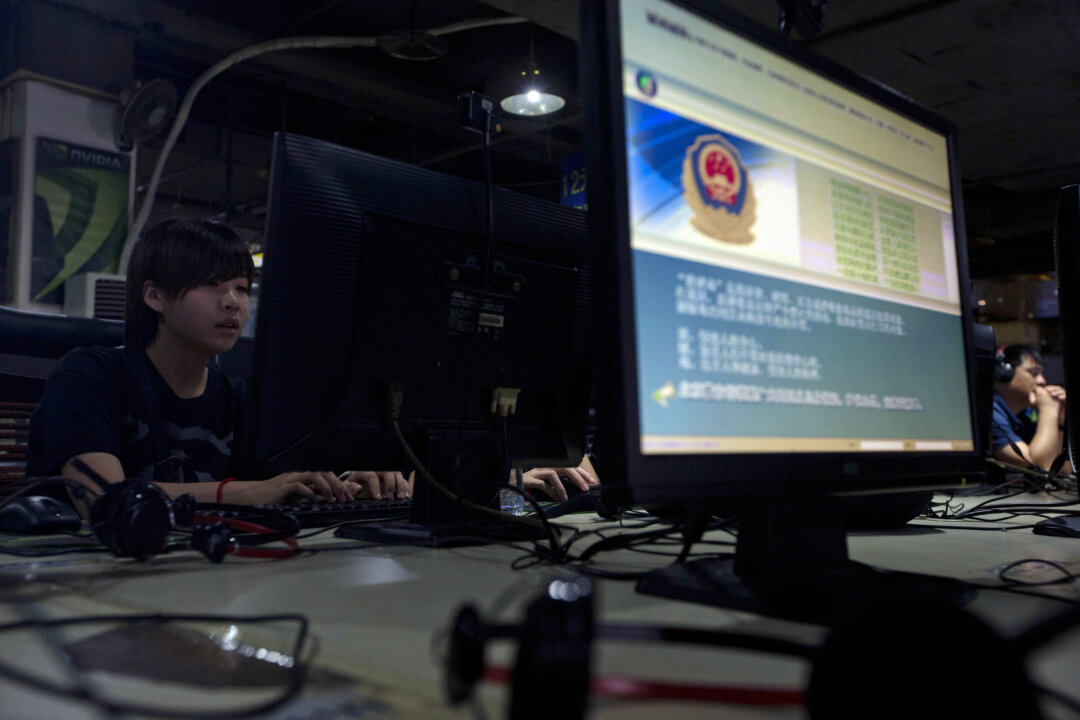
As Public Frustration Grows in China, the State Intensifies Campaign to Silence Online Dissent









Related Articles
China Business & EconomyChina NewsChina Technology
China Tech Index Plunges More Than 40 Percent From July Peak
China’s technology-heavy STAR 50 index has fallen by more than 40 percent...
China Military NewsChina NewsChinese RegimeInside CCP OfficialdomSpecial TopicsZhang Youxia
Xi Opens CCP Plenum Amid Sweeping Purges, Record-Low Attendance Forecast
Chinese Communist Party leader Xi Jinping opened a four-day meeting of senior...

China Business & EconomyChina NewsChinese RegimeFinance & Business TiesInside CCP OfficialdomSpecial Topics
Chinas Economic Woes Deepen as CCP Plenum Focuses on Political Control
The Chinese Communist Party (CCP) opened a four-day leadership meeting in Beijing...



China NewsEuropeGlobalUK NewsWorld News
UK Must Be Ready for War in 1,000 Days, Says British Defense Secretary
British Defense Secretary Wes Streeting has said the country must be ready...
