The German brigade permanently based in Lithuania will use electronic monitoring to detect military activity in the Russian exclave of Kaliningrad and Belarus, the German military’s cyber chief has said.Vice Adm. Thomas Daum told Reuters in an interview published on Oct. 28 that the brigade, due to be fully deployed next year, will also be collecting data on Belarusian and Russian military emitters and radar systems to update electronic-warfare databases used by German and allied forces.“If anything happens, these units will identify that,” Daum said.“We will enter [the data] into electronic warfare databases, which will then inform all our systems if there is a new radar on the Belarusian side.”The German military cyber chief said Russian activities in parts of Europe had reached “phase two, where the intent is to hurt,” but that it was below the threshold of armed conflict.“The cyberinformation domain is not yet at war, but it’s no longer peace,” Daum said.The plans come after Germany’s Cabinet approved measures in August to grant its foreign intelligence service, the BND, and its domestic security service, the BfV, new powers to intercept digital communications and collect data as part of any operations to stop attacks.The measures must still be approved in parliament.KaliningradKaliningrad has become the latest front for diplomatic tensions between Russia and NATO allies, after Moscow warned the Western defense alliance that it would be ready to resort to the use of nuclear weapons if NATO were to try to attack or cut off the strategic region.Tensions were triggered when, in September, British media outlets speculated that the Russian exclave could be a Western target, prompting the Russian embassy in the UK to issue a statement saying that “any British or NATO military action against Russian territory would be met with a response using all means at Russia’s disposal, including nuclear weapons.”“Russia has repeatedly made clear that it neither seeks confrontation with NATO and Europe nor intends to attack them. But should anyone choose to unleash such a conflict, they must be under no illusion that Russia will respond accordingly,” it had said on Sept. 29.Kaliningrad is a heavily militarized exclave between Poland and Lithuania. It serves as the headquarters of Russia’s Baltic Fleet and is the country’s only year-round ice-free port.Given its location, it provides Russia with the ability to project its military power into central and northern Europe. At the same time, being positioned between two NATO members makes it vulnerable, should the alliance decide to act against the territory.Tensions surrounding the exclave have since settled down, as NATO has urged calm from allies and Moscow has also toned down its rhetoric. Kremlin spokesman Dmitry Peskov said days later that Russia has no plans to use nuclear weapons against Europe.Russia maintains that it is not interested in extending its military activity into NATO countries. Referencing the comments made by Daum, Russian state-run news agency TASS said on Oct. 29 that Russian President Vladimir Putin has described statements to that effect as reflective of efforts by Western politicians to justify increased military spending and to frighten their populations.Peskov has said that NATO is pursuing “unbridled militarization,” according to TASS.BelarusMinsk is a close ally of Moscow, and Belarusian President Alexander Lukashenko allowed Putin to use the country as a launchpad to invade Ukraine in 2022, later agreeing to let Russia station tactical nuclear missiles on its territory.The European Union has also blamed Belarus and Russia for orchestrating flows of illegal immigrants into Europe in a bid to destabilize countries on NATO’s eastern flank, as part of what European Commission President Ursula von der Leyen calls “weaponized migration.”Minsk and Moscow deny the allegations.Despite the close ties between Russia and Belarus, Lukashenko said in July that Belarus was not looking to join the conflict, urging a peaceful resolution to the war. The Belarusian president has said previously, however, that his country will defend itself if attacked.The Epoch Times contacted the Belarusian and Russian governments for comment but did not receive responses by the time of publication.Reuters contributed to this report.

German Brigade in Lithuania Will Monitor Military Activity in Russian Exclave Kaliningrad, Belarus
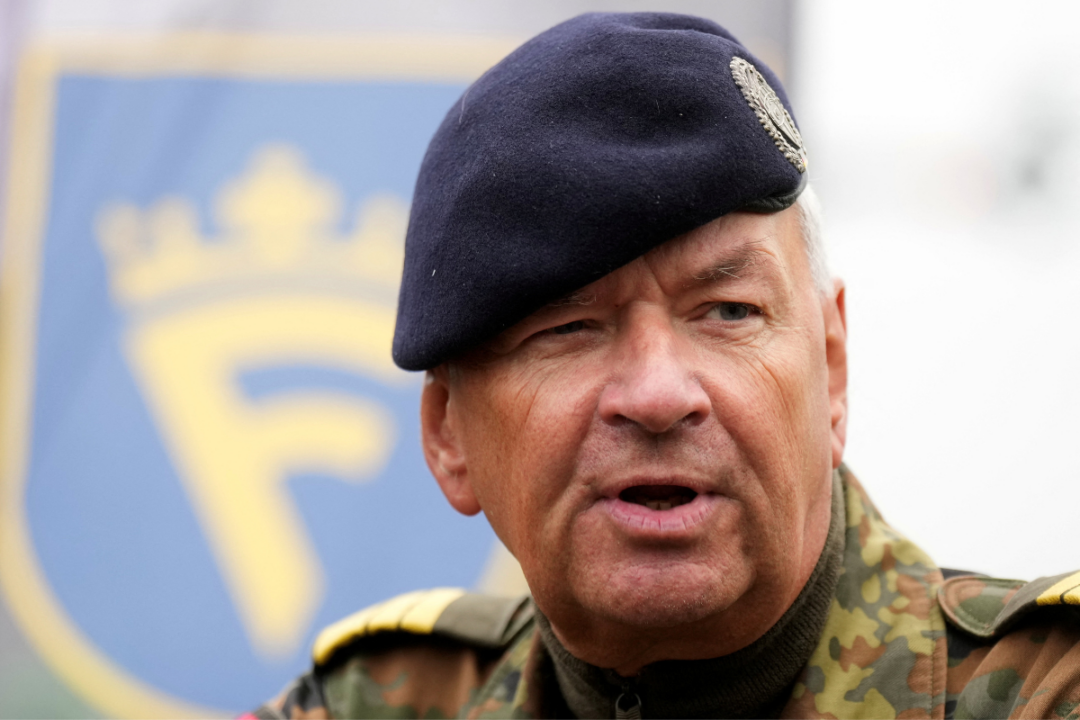
German Brigade in Lithuania Will Monitor Military Activity in Russian Exclave Kaliningrad, Belarus









Related Articles

EuropeThe Final wakeup call
Spains high-speed train network is plagued by old signalling systems. They may have caused the deadly crash
Shortly after 8am, two high-speed trains set off from Madrid’s Atocha station...

EuropeThe Final wakeup call
The impossible equation of being a researcher mother, striving to make ends meet
How can we encourage women to pursue scientific careers? In recent years,...

EuropeThe Final wakeup call
Eurovision 2027: Is Canada singing its way into the European Union?
Officials are meeting this week for the 21st Canada-European Union Leaders’ summit....



Australia Featured NewsAustralia NewsAustralia Top NewsChina NewsChina-Australia RelationsEducation and FamilyInternational RelationsWorld News
ANU Says CCP Seizure of Academics Passports a Misunderstanding
Australian National University (ANU) officials say a 2024 incident where the passports...
