Australia will not allow nuclear weapons to be based on its soil but will continue to allow visits by American warships that may be carrying them, a senior Defence official has told a Senate committee.Hugh Jeffrey, Defence’s deputy secretary for strategy, policy and international, told a Senate Estimates hearing on Oct. 29 that Australia’s treaty obligations prohibited it from stationing nuclear weapons on its territory but did not rule out visits by U.S. ships and submarines capable of carrying them.“We of course respect [the] United States’ policy of neither confirming nor denying the presence of nuclear weapons on particular platforms,” he said.The questions centre on HMAS Stirling, a naval base on Garden Island, south of Perth, which hosts the Submarine Rotational Force–West under the AUKUS agreement.From as early as 2027, up to four U.S. Virginia-class nuclear-powered submarines and one British submarine will take turns operating from the base.Jeffrey said the United States had not stationed nuclear weapons with any of its Indo-Pacific allies for more than 35 years, and that visits by U.S. forces helped deter conflict in the region.He said such visits were consistent with the South Pacific Nuclear Free Zone Treaty, and that the United States respected Australia’s legal obligations.Opposition defence spokesman Senator James Paterson said he had asked the question to get “a clearly articulated government policy on the record,” as the public had legitimate questions about the issue.Greens Senator Raises Concerns Over US Submarines Carrying Nuclear WeaponsGreens Senator David Shoebridge pointed to former chair of the U.S. House Foreign Affairs Committee Michael McCaul, who visited Australia a few months ago.Shoebridge said McCaul had stated it was “logical to assume” some U.S. submarines rotating through Stirling from 2032 would carry nuclear weapons, and asked whether he had told the defence minister so.Murray Watt, representing the defence minister, took the question on notice.“We’ve been very clear that we won’t be allowing nuclear weapons to be stationed in Australia,” he said.Shoebridge said the government had previously assured the public that visiting AUKUS submarines would be conventionally armed, but the United States had since committed to arming some of its submarines with nuclear-tipped cruise missiles.Jeffrey said that U.S. program was not yet operational and was being developed for delivery in the 2030s.Department of Defence Secretary Meghan Quinn said Shoebridge was asking officials to verify a foreign official’s opinion, and she had nothing to add to the government’s statements.Australia’s participation in AUKUS has raised separate questions about nuclear propulsion and nuclear weapons. While nuclear-powered submarines use reactors to generate power, they do not necessarily carry nuclear warheads.In 2022, the government reaffirmed its commitment to nuclear non-proliferation treaties as it prepared to acquire the technology to operate nuclear-powered submarines.Questions About US Submarine Presence in Australia After 2032Earlier, Paterson asked whether the U.S. presence at Stirling would end in 2032.Jeffrey said Australia aimed to be ready to operate its own nuclear-powered submarines by 2032, but noted that the Submarine Rotational Force–West was intended to be “an enduring feature of our cooperation with the United States” and other partners.The Australian Submarine Agency said the submarines will rotate through Stirling and “will not be permanently based in Australia.”Paterson asked why Defence Industry Minister Pat Conroy had said four times in a July 29 television interview that U.S. submarines would be gone by 2032, noting that Conroy had used that date to explain why viewers need not worry about the submarines carrying nuclear weapons.Watt said Conroy had since clarified his comments, but would not say whether they had been wrong.“I’ll let you describe them however you wish,” he said.The first U.S. submarine assigned to Stirling, the USS Colorado, is due to begin its rotation in late 2027.

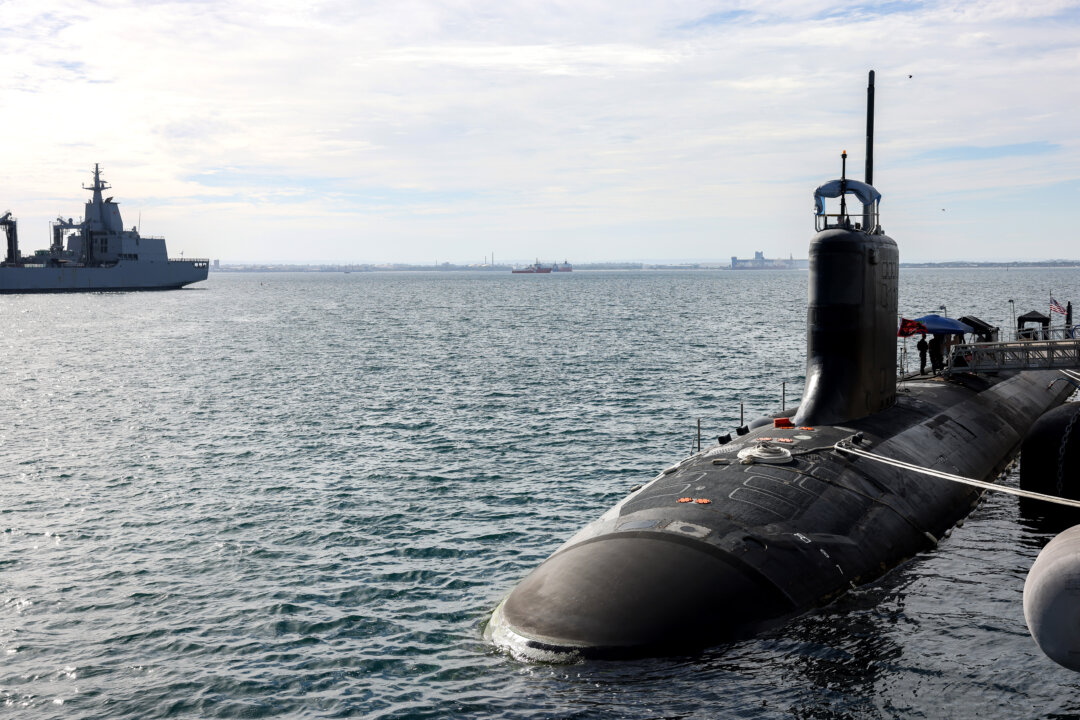
Australia Wont Rule Out Visits by US Ships Carrying Nuclear Weapons: Defence








Related Articles
Australia Featured NewsAustralia NewsAustralia Top NewsChina NewsChina-Australia RelationsEducation and FamilyInternational RelationsWorld News
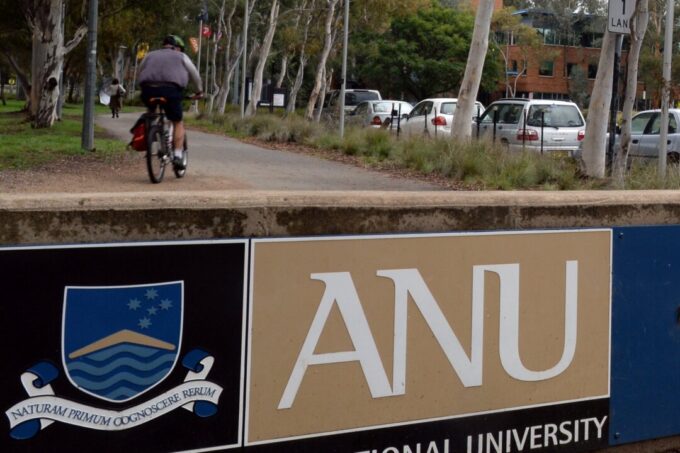
ANU Says CCP Seizure of Academics Passports a Misunderstanding
Australian National University (ANU) officials say a 2024 incident where the passports...

China Business & EconomyChina NewsChina TechnologyGlobal ExpansionInternational RelationsNational SecurityPolicies & ImpactsSpecial TopicsUSUS NewsUS-China RelationsWorld News
FCC Votes 30 to Ban Chinese Labs From Testing Electronics for US Market
The Federal Communications Commission (FCC) voted unanimously on Oct. 29 to bar...

China NewsEuropeWorld News
German Brigade in Lithuania Will Monitor Military Activity in Russian Exclave Kaliningrad, Belarus
The German brigade permanently based in Lithuania will use electronic monitoring to...


China NewsEuropeGlobalRussia-Ukraine WarUSUS NewsWorld News
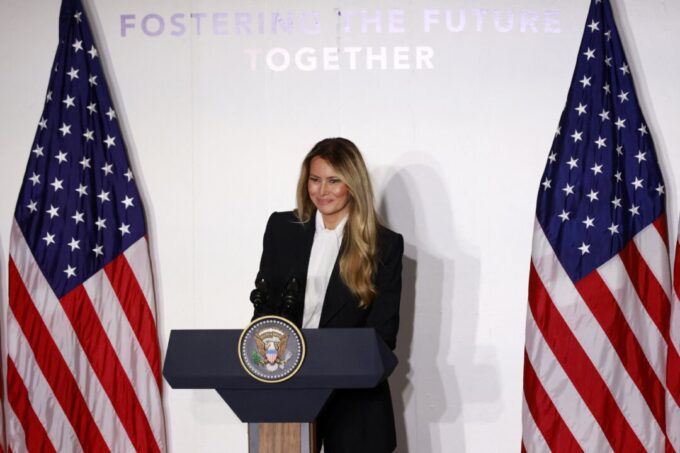
Melania Trump-Brokered Oleshky Ceasefire Holds as Demining Efforts Progress
The ceasefire brokered by U.S. First Lady Melania Trump in the war-ravaged...
