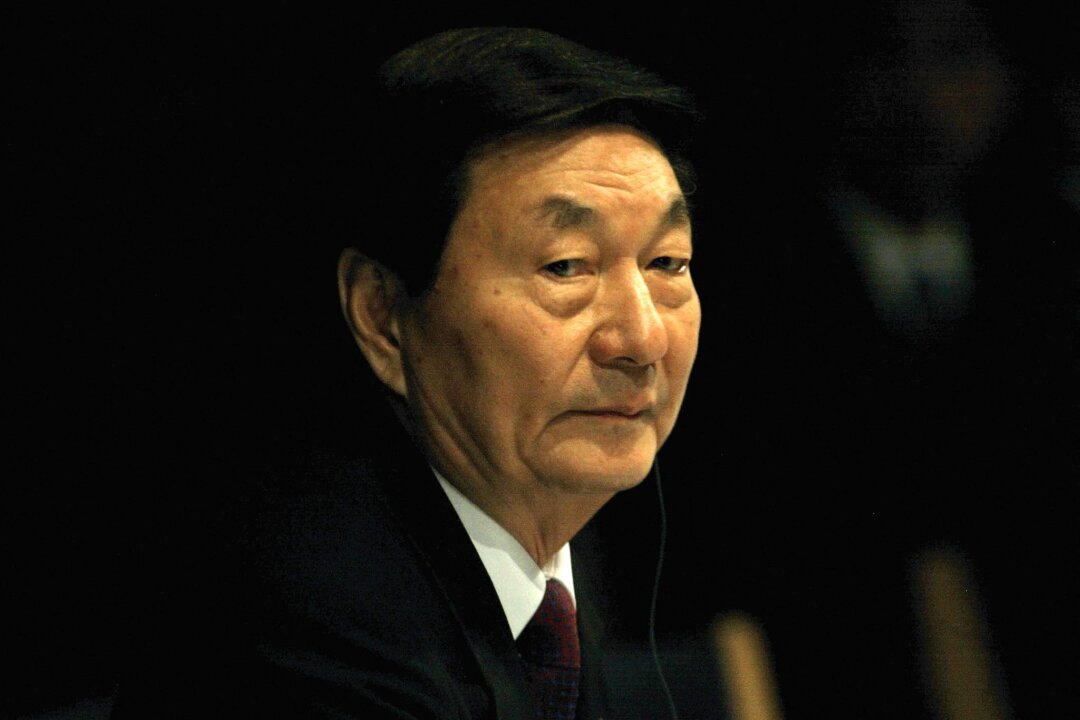
Veteran Chinese journalist Gao Yu said two domestic security officers came to her Beijing home after work hours on Aug. 14 and told her not to write about former Premier Zhu Rongji, as authorities imposed visible controls on public mourning following his death.“Zhu Rongji—don’t write about him,” Gao quoted one of the officers as saying, in an Aug. 14 post on X.Zhu died in Beijing on Aug. 12 at the age of 98, according to the official obituary. He served as China’s premier from 1998 to 2003.Gao said the officers who visited her specifically referred to an Aug. 12 post in which she noted that Zhu had once been labeled a “rightist” by the Chinese Communist Party (CCP), a period in his political history omitted from the official obituary.In her Aug. 12 post, Gao wrote that Zhu was the only person among the top-ranking Chinese leaders she counted since the beginning of the People’s Republic of China to have had a history of being labeled a “rightist.”The obituary, authorized by the state-run Xinhua News Agency, traces Zhu’s career from the 1950s through his rise to Shanghai mayor and later premier, but does not mention the rightist designation.Two days later, Gao said, the officers asked whether she had written about Zhu being a “rightist.”Gao wrote in her Aug. 14 post that she agreed not to post more about Zhu. Before leaving, one officer warned that if she did, “we would have to come even in the middle of the night.”She also said a piece she had prepared involving Zhu would remain unpublished.Mourners Gather at Ancestral HomeAfter Zhu’s death, people traveled to Tianyuan, his ancestral residence in Heping village, to leave flowers and pay their respects.A video posted on X on Aug. 14 by Chinese exiled citizen journalist Li Ying shows mourners arriving with flowers at Zhu’s ancestral home, known as Tianyuan, in Changsha County, Hunan Province, as scores of plainclothes personnel stand around the property.Barriers kept visitors back from the residence, while bouquets left by mourners were moved into another building.A local official told the Financial Times that the flowers were being moved because Zhu’s family wanted the mourning kept low-key.By contrast, the outlet also quoted a police officer as saying the bouquets were moved to prevent roaming chickens from damaging them.Online Tributes Face RestrictionsControls were also reported online.A Chinese X user critical of the CCP, posting under the handle @queeruo, said on Aug. 15 that direct search suggestions for Zhu Rongji had disappeared on Douyin, the Chinese version of TikTok.A screenshot posted by the user instead showed the name of a Ming dynasty emperor whose Chinese name resembles Zhu’s in writing but refers to a different person.The controls follow earlier reporting that Chinese authorities were closely monitoring public reaction to Zhu’s death.A source within the CCP told The Epoch Times officials feared public mourning could become an outlet for expressions of wider dissatisfaction with the regime.Chinese authorities have restricted public mourning for other former senior officials.After former Premier Li Keqiang died in October 2023, crowds left large numbers of flowers outside his former residence in Hefei, Anhui Province, before police moved to clear the area.Li Keqiang had long been seen as politically sidelined under CCP leader Xi Jinping, and speculation about tensions between the two made spontaneous mourning particularly sensitive to authorities, wary that tributes to Li Keqiang could take on a broader political meaning.During the Qingming tomb-sweeping festival the following year, authorities increased police deployments at locations associated with Li Keqiang in Anhui and Henan, with police and plainclothes officers stationed around several sites.A much earlier precedent followed the death of former CCP leader Hu Yaobang in April 1989. Public mourning for Hu developed into nationwide pro-democracy demonstrations before the Chinese military’s June 4 crackdown in Beijing.Zhu’s remains are scheduled to be cremated in Beijing on Aug. 18, when official mourning ceremonies are also set to take place.

Chinese Authorities Restrict Public Mourning for Former Premier Zhu Rongji









Related Articles
China Business & EconomyChina NewsChina Technology
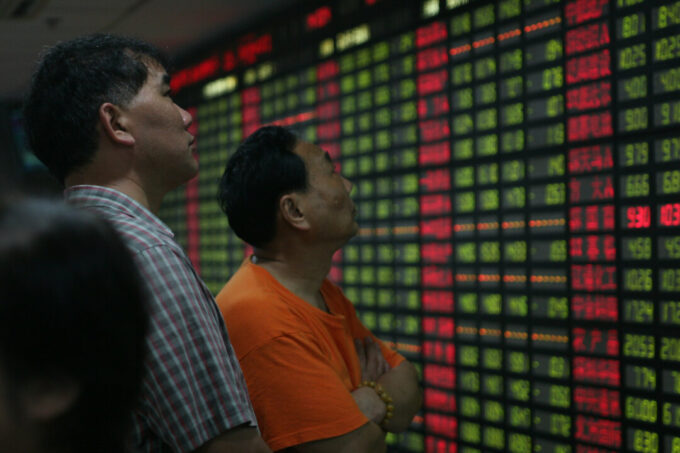
China Tech Index Plunges More Than 40 Percent From July Peak
China’s technology-heavy STAR 50 index has fallen by more than 40 percent...
China Military NewsChina NewsChinese RegimeInside CCP OfficialdomSpecial TopicsZhang Youxia
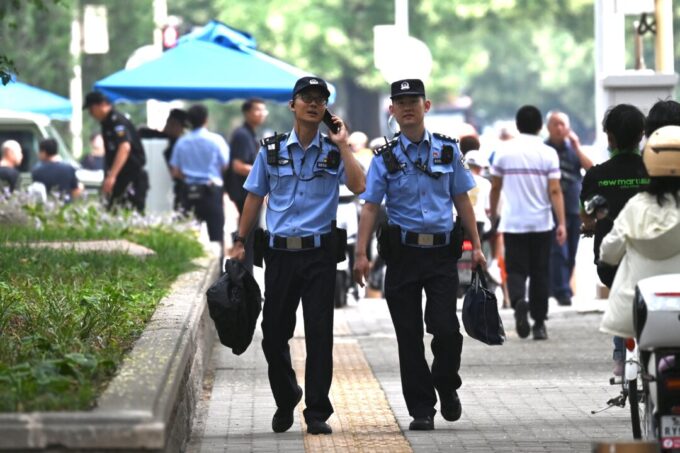
Xi Opens CCP Plenum Amid Sweeping Purges, Record-Low Attendance Forecast
Chinese Communist Party leader Xi Jinping opened a four-day meeting of senior...
China Business & EconomyChina NewsChinese RegimeFinance & Business TiesInside CCP OfficialdomSpecial Topics
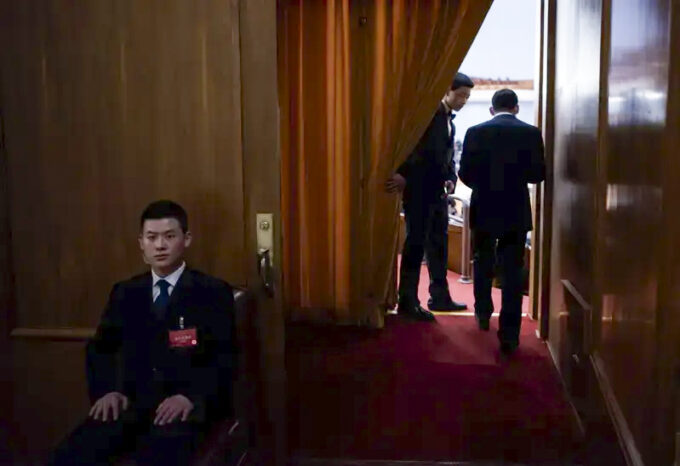
Chinas Economic Woes Deepen as CCP Plenum Focuses on Political Control
The Chinese Communist Party (CCP) opened a four-day leadership meeting in Beijing...



China NewsEuropeGlobalUK NewsWorld News
UK Must Be Ready for War in 1,000 Days, Says British Defense Secretary
British Defense Secretary Wes Streeting has said the country must be ready...
