
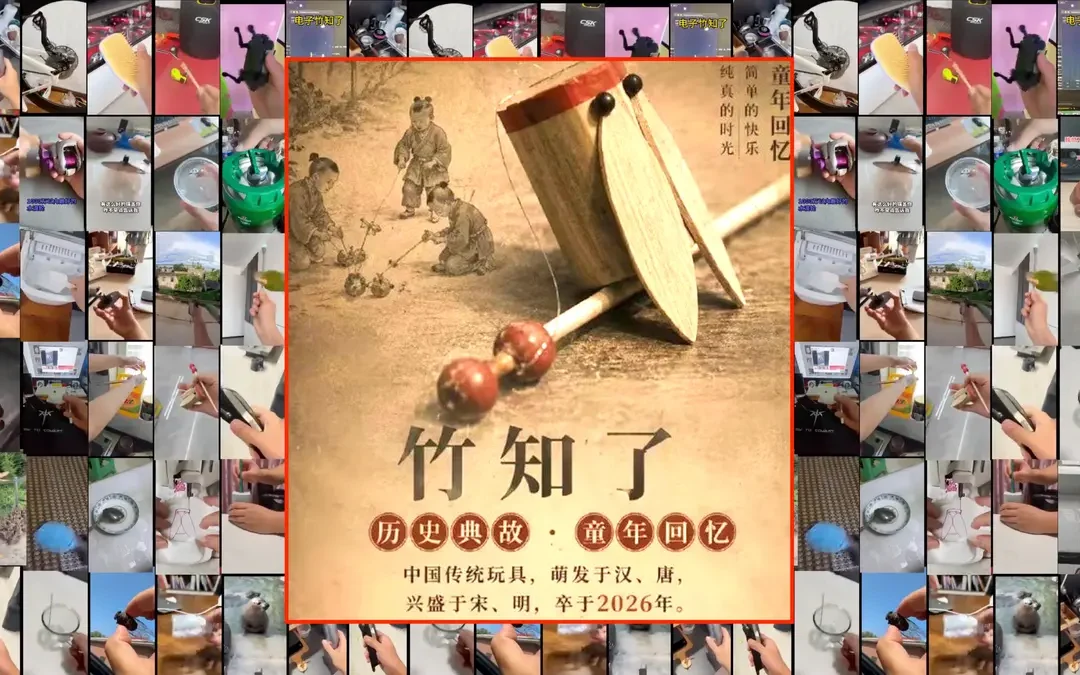
A small traditional Chinese toy has become an unlikely symbol of online ridicule of Chinese tech company Huawei—and, more broadly, of public frustration with China’s tightly controlled information environment.Known as a “bamboo cicada,” the noisemaker toy, when spun, makes a loud “wa-wa” sound that mimics a cicada. In late July and early August, Chinese netizens began comparing the sound with the collective exclamations of “whoa” heard at Huawei product launches, reviving a long-running online joke that claims Huawei’s product launch presentations are filled with staged exclamations.The comparison quickly turned the toy into a viral meme. Users posted videos mocking Huawei, imitating the sound with household objects and, in some cases, taking bamboo cicadas to Huawei stores and spinning them at the door.Huawei responded by reporting thousands of online posts. Chinese social media platforms subsequently restricted or removed content related to the toy. Rather than ending the trend, however, the crackdown appears to have intensified it, turning a joke about a toy into a broader outlet for pent-up public sentiment.By Aug. 3, the Chinese term for “bamboo cicada” had become censored on Weibo, with related content being removed. Users on Chinese platforms Douyin, Kuaishou, and RedNote also reported restrictions on their accounts.The episode also drew the attention of regime authorities. On Aug. 4, China’s Cyberspace Administration announced a campaign targeting what it described as the “malicious hype” of information involving corporations. The announcement did not directly mention the bamboo cicada controversy, but it came as platforms were tightening controls on related content.The reaction illustrates the unusual space that a seemingly trivial meme can occupy in China’s heavily censored online environment. Chinese netizens who might be reluctant to directly criticize the regime sometimes express broader grievances through jokes aimed at a major Chinese state-affiliated company.Jiang Pinchao, U.S.-based editor of the “June 4th Poetry Collection” and a writer whose works have been collected by the Library of Congress, told The Epoch Times that major Chinese firms like Huawei are effectively state companies and lack the ability to tolerate public criticism.“China’s large enterprises are basically state-owned. Their public relations awareness is particularly poor. They cannot take a joke,” Jiang said.A customer speaks with a clerk as he picks up a new Mate 60 smartphone at a Huawei flagship store after the company unveiled new products in Beijing, China, on Sept. 25, 2023. Kevin Frayer/Getty ImagesLai Jung-wei, executive director of nonprofit organization Taiwan Inspiration Association, told The Epoch Times that Huawei’s response was closely connected to its relationship with the Chinese regime.“Huawei is a Chinese Communist Party (CCP) enterprise,” he said.He also said that Huawei’s frequent use of legal measures against ordinary people could undermine the company itself.“Huawei’s approach is a sign that Huawei lacks confidence in its products,” Lai said.Outlet for Public FrustrationReactions from Chinese netizens have continued despite the restrictions on the bamboo cicada trend, with people starting to use various kinds of common items including bicycles, spoons, and bottle caps to create similar sounds in their videos.Jiang said the episode demonstrated that Chinese users were increasingly willing to test the boundaries of censorship.“In the past, ordinary people had no way to speak out. Now there is the internet, and they can use comments and reposts to make their voices heard,” he said.Even when authorities attempt to suppress such content, Jiang said, users continue to return.He argued that such a dynamic could ultimately turn the controversy into a public-relations failure for Huawei.The controversy, in his view, reflects growing resentment toward what many Chinese citizens see as the concentration of economic and communicative power.Chinese people are increasingly frustrated with the regime’s “monopoly over the market and monopoly over the right to speak,” Jiang said.That, he argued, is why a toy capable of making a simple “wa-wa” sound has become the vehicle for such a large online backlash.“The little people’s right to speak and their freedom of speech are ultimately what are being harmed,” he said.Jon Sun and Yi Ru contributed to this report.










Ohio State Agrees to $2.1 Million Federal Settlement Over Undisclosed China Research Ties
Ohio State University has agreed to pay $2.1 million to resolve federal...
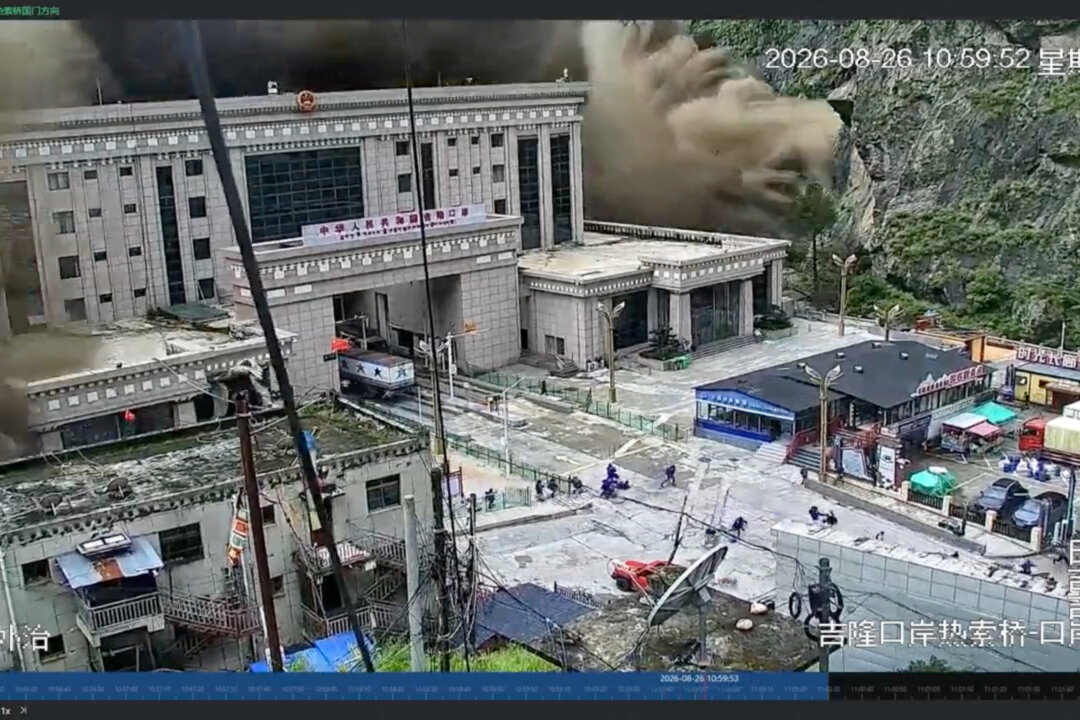
Chinese Scientists Flagged Glacial Flood Danger One Year Before Nepal Catastrophe
More than a year before the catastrophic flash flood devastated the China–Nepal...
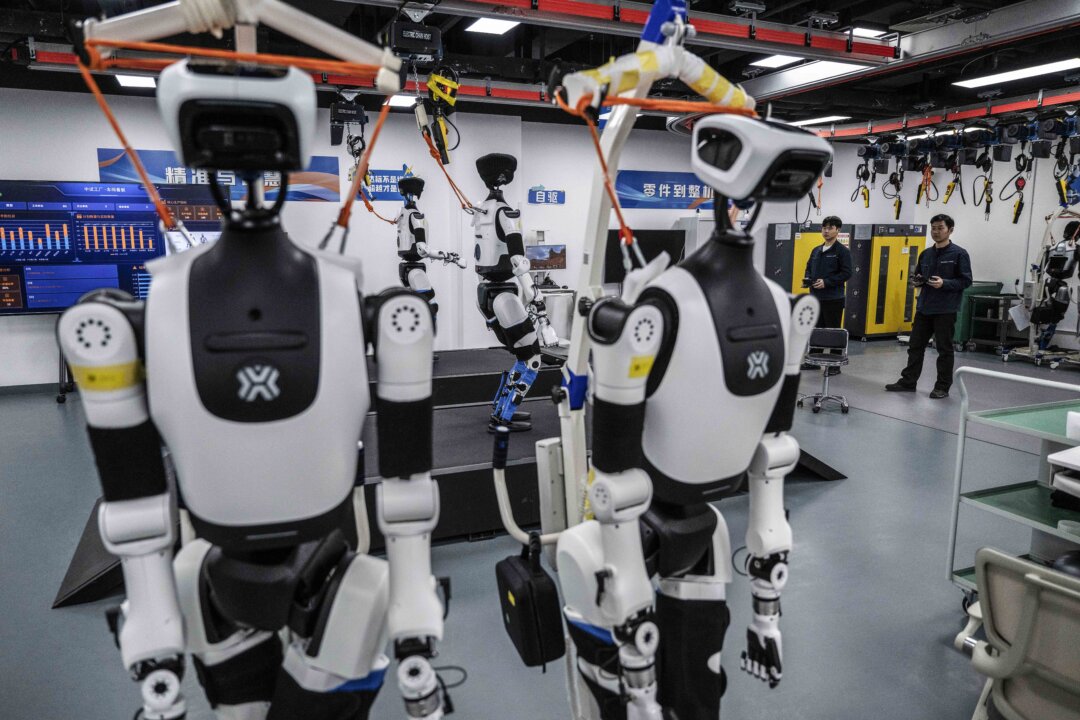
Chinas Humanoid Robot Companies Face Reality Check
China is showcasing humanoid robots as symbols of its technological ambitions. However,...



Iceland Focuses on Security Partnerships After Voters Reject Opening EU Membership Talks
Icelandic Minister for Foreign Affairs Thorgerdur Katrin Gunnarsdottir attends a press conference...
