
Chinese State Employers Tighten Overseas Travel Controls Ahead of New Overseas Travel Restrictions
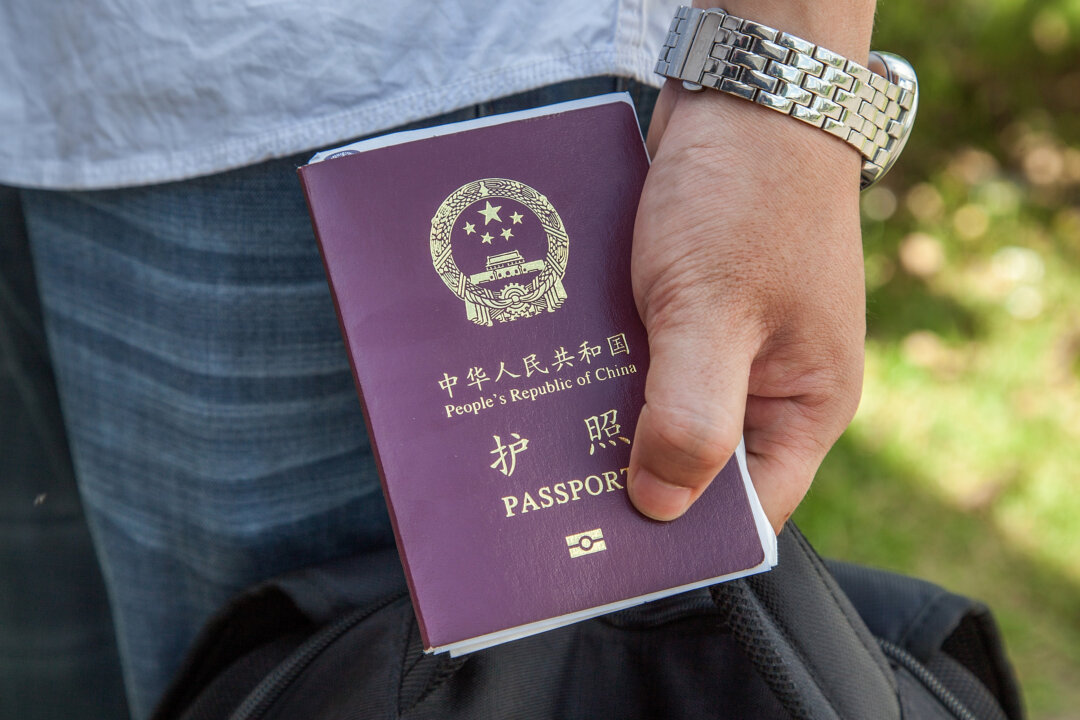
China’s state employers appear to be tightening controls on employees’ travel documents before new overseas travel restrictions officially take effect, with residents across China reporting difficulty accessing their passports.The Chinese Communist Party (CCP) has revealed little detail in its announcement last week on new overseas travel restrictions, beyond a Sept. 15 deadline for the restrictions to come into effect.Medical workers and a CCP insider, speaking on condition of anonymity out of fear of reprisal, told The Epoch Times that their state employers ordered them to surrender their passports. They were told they would have to seek approval to access their documents for overseas travel.Netizens online also reported that their passport applications, made through the usual online government portal, were “not approved.”A nurse at a county-level public hospital in Henan Province wrote on social media on July 22 that her employer had confiscated her travel permit for Hong Kong and Macau and informed staff that overseas travel was prohibited without authorization.She said she is neither a member of the CCP nor a government official, but simply a contract employee. Despite that, the hospital required her to surrender her travel documents.According to the nurse, the hospital began reviewing employees’ overseas travel records last year. Staff members were instructed to report whether they held passports or Hong Kong and Macau permits, and to disclose all overseas travel since 2018. Even employees who had retired five years earlier were required to submit the information.The nurse’s account is consistent with other workers at Chinese hospitals.An employee at the medical administration department of a public hospital in Guangxi Province, surnamed Liu, told The Epoch Times that higher-level authorities recently ordered hospitals to identify employees who possess passports.“The forms have already been distributed,” Liu said. “For now, they haven’t required everyone to hand over their passports, but it looks like they’re conducting inspections first and will collect them later. Even temporary employees have to report the information because they work in the public health system.”He said private passports had traditionally fallen outside hospital management but that the latest directive was an administrative order that hospitals were required to carry out.“It will probably become much harder to travel overseas in the future,” Liu said.A medical worker in the Inner Mongolia region told The Epoch Times her hospital confiscated her passport when she was hired. Later, after she applied for a Hong Kong and Macau travel permit, hospital administrators called to reprimand her while she was collecting the document, and it was subsequently taken by the hospital.The CCP’s new travel restrictions did not mention any new rules on surrendering passports.An insider from within the CCP, surnamed Zhan, told The Epoch Times that the passport collection campaign did not appear to have originated from China’s immigration authorities.“These orders are coming from higher authorities,” he said. “Some people say it’s from the State Council, but no official document has been released. Others believe it came directly from the central authorities.”Zhan said the campaign may be connected to China’s new exit and entry regulations, which will take effect on Sept. 15, but he noted that the regulations themselves do not require employers to confiscate passports.“The current practice clearly goes beyond what the regulations authorize,” he said. “That’s probably why you don’t see any written directive.”Rejected Passport Applications Concerns about tightening exit controls have also spread beyond government workplaces.On Aug. 1, a Chinese blogger said several followers had told him that their online applications for ordinary passports were automatically rejected, with the regime’s system displaying only the message “application not approved.”The blogger did not identify the applicants, their locations, or the specific reasons for the rejections. An unsuccessful online application or appointment request does not necessarily mean immigration authorities have formally denied issuance of a passport.Screenshots circulating on social media also showed a Chinese military veteran saying he had been unable to obtain a passport nearly three years after leaving the military, even though the two-year confidentiality agreement he signed upon discharge had already expired.According to the post, his former military unit directed him to the local veterans affairs office, while the local office said it only handled personnel records and benefit payments and that the military remained responsible for lifting the travel restrictions.Chinese state media Xinhua News Agency publicly acknowledged in 2016 that some retired service members remain subject to post-service confidentiality periods during which overseas travel requires official approval. The veteran said his confidentiality period had already expired but that neither the military nor local authorities would accept responsibility for removing the restriction.Jiang Fei contributed to this report.










Ohio State Agrees to $2.1 Million Federal Settlement Over Undisclosed China Research Ties
Ohio State University has agreed to pay $2.1 million to resolve federal...
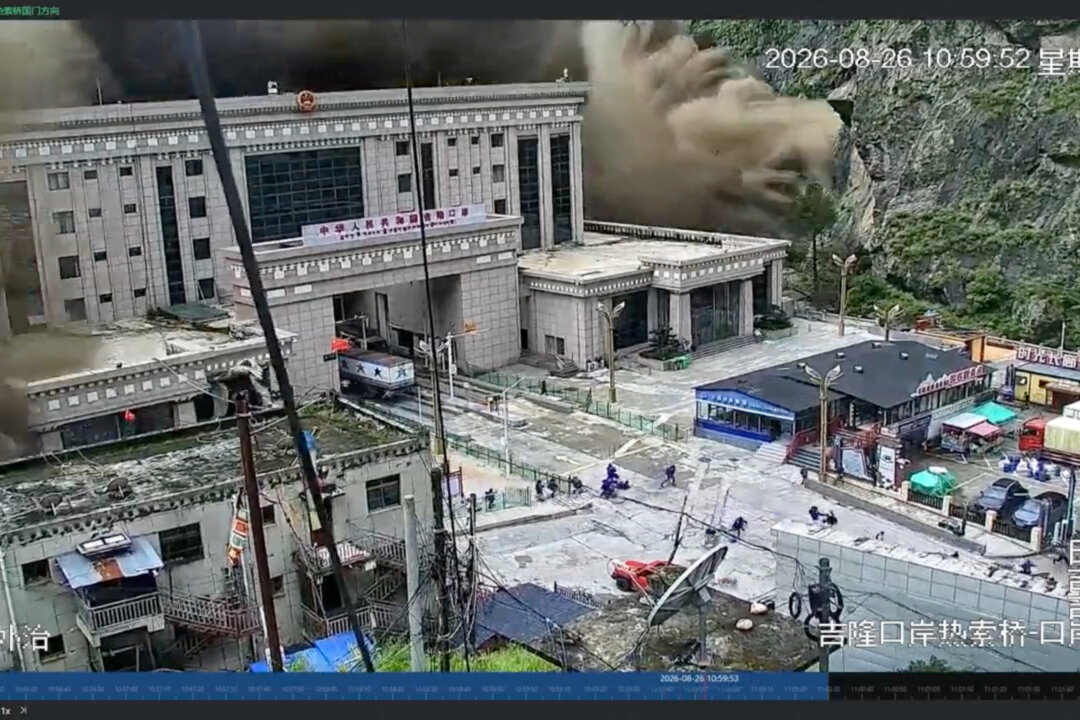
Chinese Scientists Flagged Glacial Flood Danger One Year Before Nepal Catastrophe
More than a year before the catastrophic flash flood devastated the China–Nepal...

Chinas Humanoid Robot Companies Face Reality Check
China is showcasing humanoid robots as symbols of its technological ambitions. However,...



Iceland Focuses on Security Partnerships After Voters Reject Opening EU Membership Talks
Icelandic Minister for Foreign Affairs Thorgerdur Katrin Gunnarsdottir attends a press conference...
