The Chinese regime has moved to tax offshore trusts used by wealthy families to hold overseas assets, introducing rules that extend personal income tax to multiple stages of a trust’s lifecycle and requiring some existing trust holders to disclose and pay previously unpaid taxes within 90 days.China-based industry insiders told The Epoch Times the measures reflect Beijing’s efforts to broaden tax collection amid mounting fiscal pressures on local governments. They said offshore trusts—long used by wealthy Chinese families for asset protection and succession planning—have become a new focus of enforcement. They spoke on condition of anonymity out of fear of reprisal.China’s Ministry of Finance and State Taxation Administration issued the new rules on July 24, requiring Chinese residents to report and pay personal income tax on certain assets transferred into offshore trusts and income earned through those structures.The regulations define offshore trusts as trusts established under foreign laws or other overseas legal arrangements that perform similar functions. Such trusts are commonly established in jurisdictions including Hong Kong, Singapore, the Cayman Islands, and the British Virgin Islands. Wealthy Chinese families have long used them to hold business interests, financial assets, and other property.Taxes Extended Across Entire Trust LifecycleUnder the new rules, Chinese residents who transfer assets—including company equity, shares, real estate, and other property—into an offshore trust must pay a 20 percent personal income tax on any appreciation in value over the original acquisition cost. The gain is treated as income from the transfer of property.Related StoryIncome generated while the trust remains in operation—including interest, dividends, bonuses, and capital gains—must also be reported under the relevant personal income tax categories.When an offshore trust is terminated, any liquidation proceeds distributed from the trust are likewise taxed as dividend income at 20 percent.The rules do not apply only to newly established trusts.According to the new rules, unpaid taxes related to the establishment of offshore trusts may generally be collected retroactively for up to three years. Authorities may extend that period in cases involving large amounts under China’s Tax Collection and Administration Law.The rules also require taxpayers to report previously undeclared income generated by offshore trusts through 2025. That income must be aggregated and reported as dividend income.Individuals have 90 days from the effective date of the rules to complete the filing. Taxes paid within that period will not incur late-payment charges. Those who fail to comply may face back taxes, late-payment penalties, and, in cases involving tax evasion, additional fines.Targeting Wealthy FamiliesA fund management professional in China’s banking sector told The Epoch Times that the announcement received relatively little official publicity despite its potentially broad impact.“The authorities did not heavily promote the new rules or organize expert discussions,” he said. “This effectively creates lifelong tax obligations for wealthy individuals’ overseas assets. They first require taxpayers to explain the origin of their wealth. If they cannot provide a satisfactory explanation, penalties could follow, and the total cost may exceed the 20 percent tax itself.”A wealth management adviser at China’s Bank of Communications told The Epoch Times the policy effectively brings every stage of an offshore trust under taxation.“This covers the establishment, operation, and termination of offshore trusts,” he said. “Over the past several decades, many wealthy Chinese transferred assets overseas through trust structures, and income generated there generally was not taxed.”The adviser estimated that about 2 million Chinese citizens with assets exceeding 10 million yuan ($1.5 million) hold overseas assets.Potential Future Scrutiny on Hong Kong Insurance ProductsThe new rules do not currently classify ordinary banking, insurance, securities, or mutual fund products as offshore trusts.The announcement specifically exempts financial products issued by banks, insurers, securities firms, and fund companies that are regulated by overseas financial authorities, operate independently for the general public, and assume their own investment risks.However, a Chinese insurance adviser told The Epoch Times that some market participants expect Beijing to expand its focus.Large participating life insurance policies purchased by Chinese customers from Hong Kong insurers have not yet been included in the new tax rules, he said.“I’ve heard that overseas participating savings insurance policies may also become subject to taxation before the end of the year,” the insurance adviser said.He noted that many affluent Chinese residents purchased large Hong Kong insurance policies around 2016. Because many of those 10-year policies are now maturing and beginning to distribute bonuses, China’s tax authorities could eventually decide to tax those payouts as investment income.The insurance adviser said the latest measures demonstrate that the Chinese regime is broadening oversight of overseas income as local government revenues continue to decline.“The offshore trust rules extend taxation to wealth structures that affluent families have long used for asset protection and intergenerational wealth transfer,” he said. “Offshore trusts are unlikely to be the final target. Income from Hong Kong insurance products and other overseas investment vehicles could also come under tax scrutiny in the future.”Xue Xiaoguang contributed to this report.

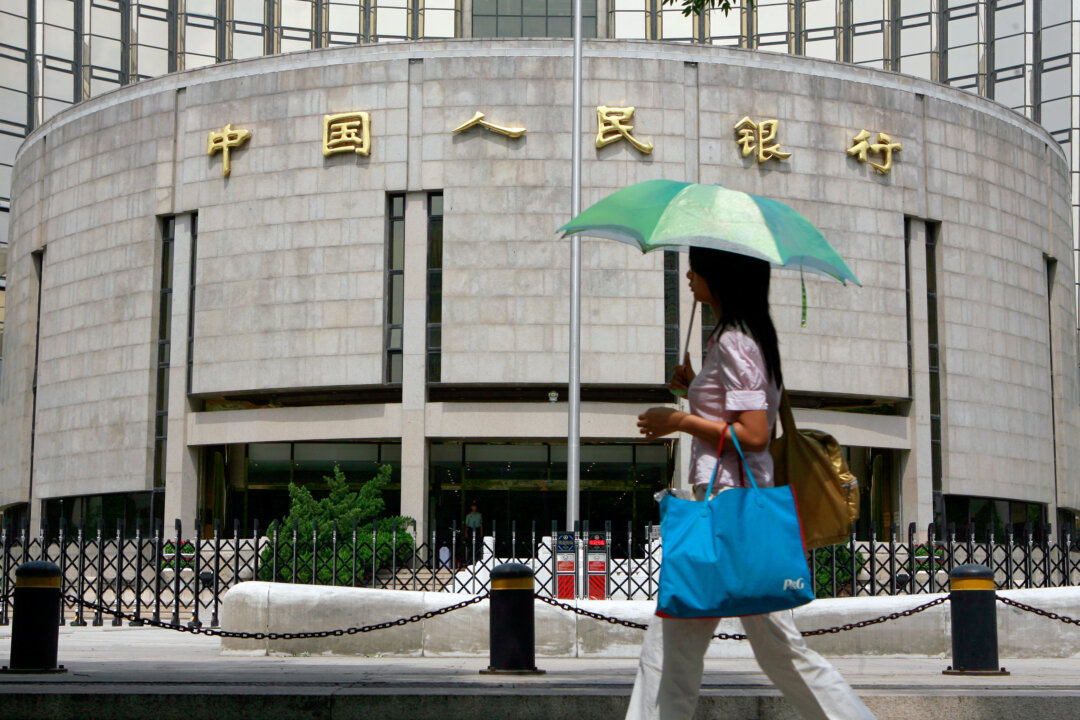
China Expands Tax Reach to Offshore Trusts Used by Wealthy Families








Related Articles
China Business & EconomyChina NewsChina Technology
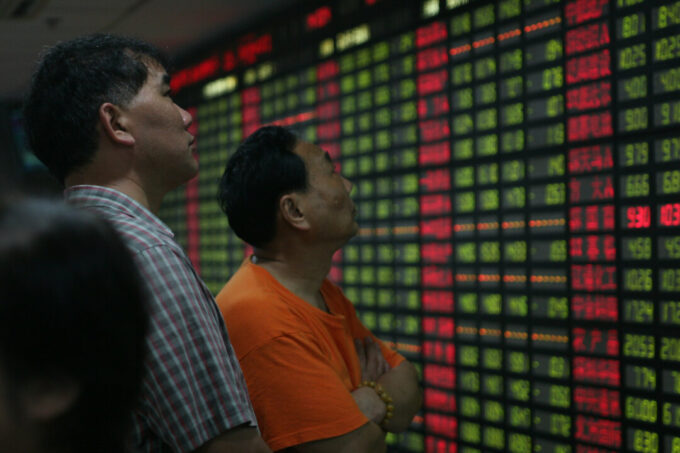
China Tech Index Plunges More Than 40 Percent From July Peak
China’s technology-heavy STAR 50 index has fallen by more than 40 percent...
China Military NewsChina NewsChinese RegimeInside CCP OfficialdomSpecial TopicsZhang Youxia
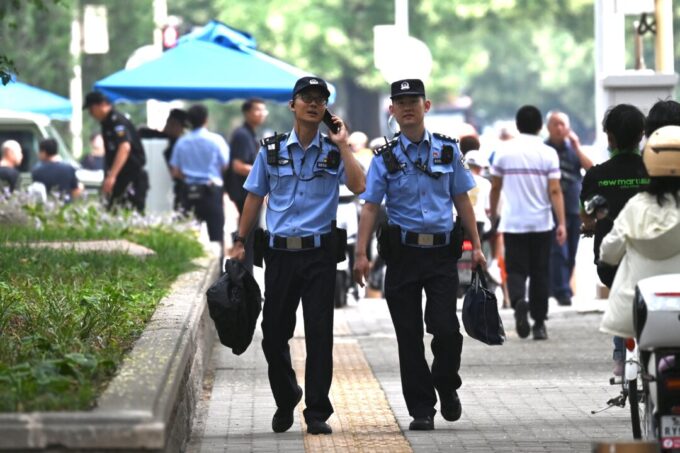
Xi Opens CCP Plenum Amid Sweeping Purges, Record-Low Attendance Forecast
Chinese Communist Party leader Xi Jinping opened a four-day meeting of senior...
China Business & EconomyChina NewsChinese RegimeFinance & Business TiesInside CCP OfficialdomSpecial Topics
Chinas Economic Woes Deepen as CCP Plenum Focuses on Political Control
The Chinese Communist Party (CCP) opened a four-day leadership meeting in Beijing...



China NewsEuropeGlobalUK NewsWorld News
UK Must Be Ready for War in 1,000 Days, Says British Defense Secretary
British Defense Secretary Wes Streeting has said the country must be ready...
