A bucket-wheel dumps soil and sand removed from another area of a coal mine in Newcastle, Australia, on Nov. 5, 2021. Saeed Khan/AFP via Getty ImagesThe New South Wales (NSW) minerals lobby has cited the state government’s emissions data to argue that coal mining is decarbonising faster than any other sector.However, that claim differs from the independent findings of the Net Zero Commission.The NSW Minerals Council said that analysis of figures published by the state and Commonwealth governments showed the industry’s net emissions had fallen 35 percent since 2005 and were on track to halve by 2030, matching the reduction legislated under the Climate Change (Net Zero Future) Act, which was passed in 2023.“Coal mining makes up just 13 percent of the state’s emissions, and the industry’s direct emissions have fallen by 30 percent since 2005, which is faster than the NSW state average and any other sector,” council CEO Stephen Galilee said.“Once the impact of the overall is factored in, net emissions from the NSW coal mining sector have fallen by 35 percent since 2005. The NSW government’s analysis also shows NSW coal mining emissions are on track to meet the legislated NSW 50 percent net emissions reduction target by 2030.”Galilee also said the industry had taken measures to reduce carbon emissions, resulting in the abatement of more than 4 million tonnes of emissions in 2024.“Each year, the coal mining industry’s actual emissions have come in well below NSW Government forecasts. In 2024, the overestimation was around 3 million tonnes, or 20 percent,” he said.Commission Findings Differ From Industry’s AssessmentThe Net Zero Commission’s 2026 Annual Progress Report (pdf) found the gap between NSW’s overall projected and legislated emissions had widened rather than narrowed.The shortfall against the 2030 target is now 10 to 20 million tonnes of CO2 equivalent, and 21 to 24 million tonnes against the 2035 target.It gives a blunt assessment of the contribution of the resources sector: emissions have fallen 28 percent since 2004-05, but the report attributes that principally to the closure of large, gas-filled underground mines rather than abatement at operating sites.Fugitive emissions from coal mining fell from about 19 million tonnes in 2004-05 to 10.9 million tonnes in 2022-23, largely on the back of closures.The report also noted that, based on NSW government projections (pdf), annual coal mining emissions are expected to rise year on year from 2024-25, peaking in 2028-29—the only sector forecast to reverse a downward trend in the run-up to the 2030 target.

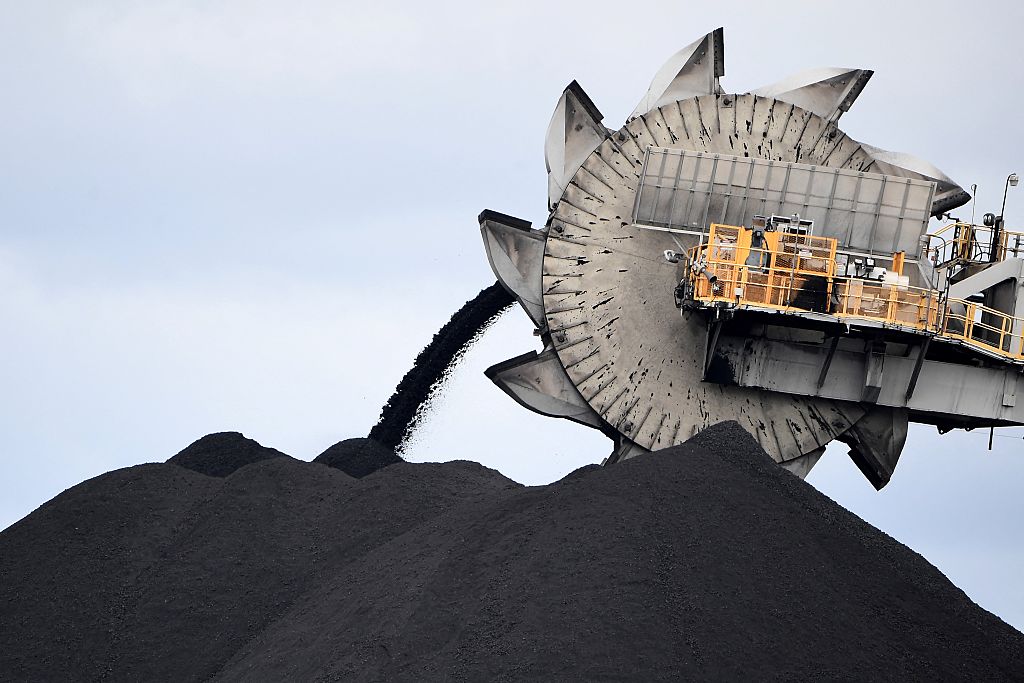
NSW Coal Industry Hails Emissions Progress Amid Contrasting Net Zero Commission Findings









Related Articles

China NewsEuropeGlobalUK NewsWorld News
UK Must Be Ready for War in 1,000 Days, Says British Defense Secretary
British Defense Secretary Wes Streeting has said the country must be ready...

China NewsEuropeGlobalUK NewsUK Top NewsWorld News
UK Prime Minister Says He Agrees With Principle of Migration Reform
British Prime Minister Andy Burnham said on Oct. 26 that he agreed...

China NewsEuropeGlobalWorld News
Serbian President Concedes Election Defeat to Student-Led Coalition
Serbian President Aleksandar Vucic has conceded defeat in the Oct. 25 election...


Asia & PacificChina NewsEuropeInternational RelationsNational SecurityPolicies & ImpactsUSUS NewsUS-China RelationsWorld News
Japan Defense Academy Chief Calls for 3 Red Lines in Competition With China
Japan’s former top uniformed military officer has called for establishing three “red...
