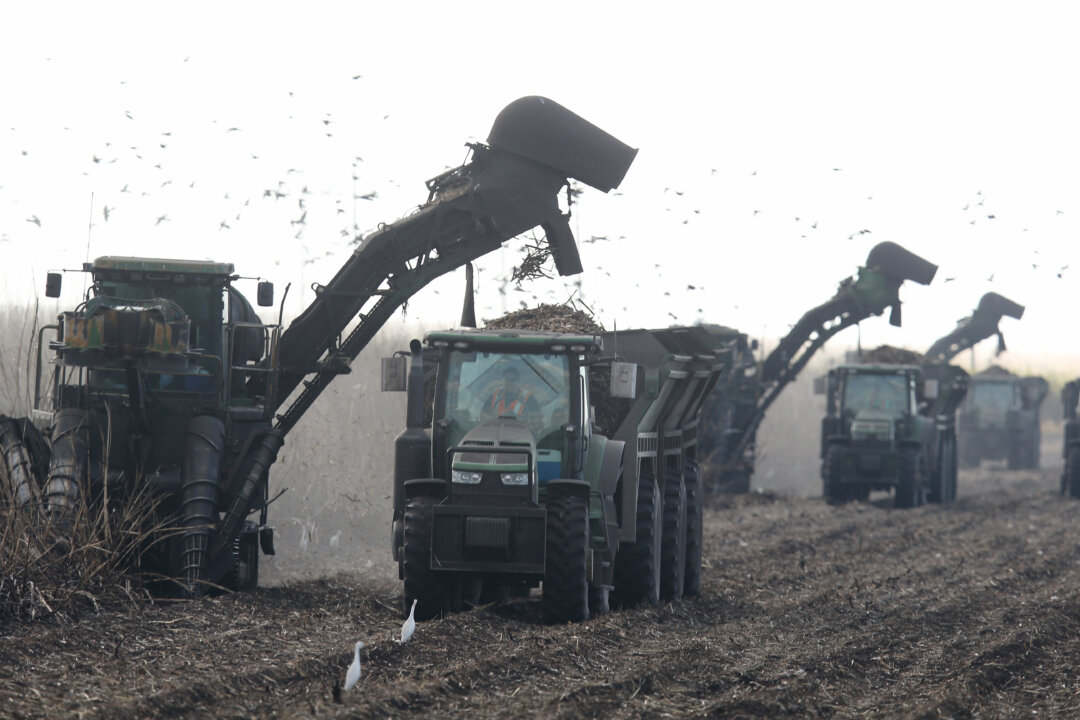
A mechanical harvester harvests sugar cane in fields in Clewiston, Fla., on Jan. 28, 2014. Joe Raedle/Getty ImagesThe Office of the U.S. Trade Representative (USTR) on Thursday announced the country-by-country and first-come, first-served allocations for tariff-rate quotas for imported raw cane sugar, refined sugar, and sugar-containing products in fiscal year 2027.The quotas are part of long-standing U.S. agreements made under a World Trade Organization (WTO) agreement.The quotas fill the period from Oct. 1, 2026, through Sept. 30, 2027. They allow foreign suppliers to ship set volumes of sugar into the United States at lower duty rates. Any shipments above those volumes, however, are required to pay higher tariffs.On July 14, the Agriculture Department’s Foreign Agricultural Service established the in-quota quantity for raw cane sugar at 1,117,195 metric tons raw value, matching the minimum the United States agreed to allocate as part of WTO rules. USTR allocated 1,061,202 metric tons of that total among 39 countries and territories, with the remaining 55,993 metric tons to be assigned ahead of the Oct. 1 deadline, when raw cane, refined including specialty, and sugar-containing products may begin entering under the new quotas.The Dominican Republic received the largest quota of sugar at 189,343 metric tons. Brazil received the second-largest quota with 100,000 metric tons. Those two countries are then followed by Australia with 89,293, Guatemala with 51,639, and Argentina with 46,260.Brazil’s allocation was cut from prior levels near 156,000, with the difference reserved for later reallocation amid recent U.S. Section 301 tariffs addressing Brazilian trade practices. The intention is to protect domestic producers and refiners while meeting WTO duties, balancing open trade with American agricultural interests.Other allocations to countries included Panama at 31,199 metric tons, El Salvador at 27,971, Colombia at 25,819, Costa Rica at 16,137, and Peru at 15,061. Smaller allocations of roughly 7,000 to 13,000 metric tons were allocated to other partners including Barbados, Belize, Zimbabwe, and Taiwan.Imports from countries that are net sugar importers require verified certificates of origin. Certificates of quota eligibility must also accompany every shipment from any nation that received an allocation.The same July 14 Agriculture Department notice set the refined-sugar tariff-rate quota at 22,000 metric tons raw value. Of that total, 20,344 metric tons cover sugars, syrups, and molasses meeting a polarimeter reading of 99.5 degrees or higher. The remaining 1,656 metric tons are reserved for specialty sugar.USTR also assigned 10,300 metric tons of the refined quota to Canada, as well as 2,954 metric tons to Mexico.The allocations are required under a long-standing annual process required by U.S. commitments under the WTO Uruguay Round Agreement, which was signed in 1994. The quotas have been published in the Federal Register.

US Sets 2027 Sugar Import Quotas Under WTO Commitments








Related Articles
BusinessCompaniesEnergy
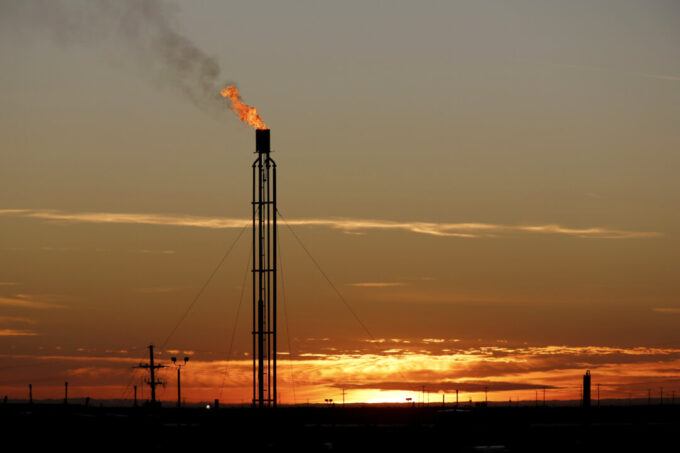
EQT to Buy Range Resources, Creating Largest US Natural Gas Producer
EQT Corp. has agreed to acquire rival Appalachian shale driller Range Resources...
BrightBusinessInvestingPersonal FinanceStocks
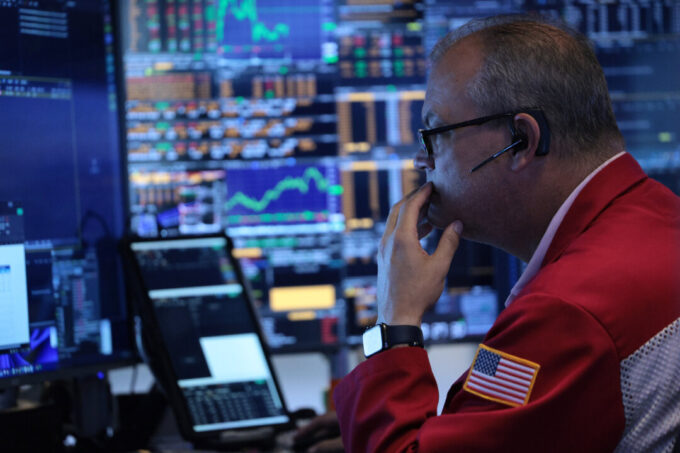
Wall Street Is Very NervousShould You Worry? Can You Repair Your Losses?
On Oct. 23, the Dow Jones Industrial Average fell 652.82 points, or...
BusinessMarkets
Nearly 3 in 10 New-Car Trade-Ins Are Underwater, Edmunds Finds
Almost three in 10 vehicles traded toward a new car are worth...



Asia & PacificChina NewsEuropeInternational RelationsNational SecurityPolicies & ImpactsUSUS NewsUS-China RelationsWorld News
Japan Defense Academy Chief Calls for 3 Red Lines in Competition With China
Japan’s former top uniformed military officer has called for establishing three “red...
