The UK plans to introduce a default overnight curfew on social media apps for 16- and 17-year-olds, the government announced on July 15.Under the plans, users within that age bracket would be barred from using certain apps between the hours of midnight and 6 a.m.; however, they would have the option to turn off the default setting.In-app features designed to keep users scrolling, including videos that play one after another and feeds that continuously offer up personalized content, would also be turned off by default.The UK Department for Science, Innovation, and Technology, which is overseeing the move, said the aim was to prevent a “cliff edge” for teens who will gain access to social media when they turn 16, and therefore age out of the blanket ban on social media for under-16s that the ruling Labour government unveiled last month.UK Technology Secretary Liz Kendall said in a July 15 statement that these measures “will be crucial in helping young people get the sleep they need, focus on school and college, and spend more quality time with family and friends.”“We want young people to enjoy the benefits of technology while having the tools to make the online world a place where they can thrive,” she added.The announcement follows a 6-week trial of similar measures launched by the government in March, which saw 300 families participate.Families who signed up were split into four groups, each testing a different restriction.The first group used parental controls to block selected social media apps entirely.The second group capped daily use of popular platforms, including Instagram, TikTok, and Snapchat, at one hour. A third group blocked access between 9 p.m. and 7 a.m., leaving the apps available before and after school, while a fourth served as the control, with those families making no changes to their children’s social media habits.The results of that study were published on July 14 and showed that the restrictions led to improvements in sleep, concentration, and well-being, and that an overnight curfew was the easiest measure for families to maintain and produced the most consistent sleep benefits, the British government said.Under the previously announced plan to ban under-16s from social media, platforms like Snapchat, TikTok, YouTube, Instagram, Facebook, and X will all be prohibited for those below the threshold, while messaging services like WhatsApp and Signal will still be permitted.In addition to those social media apps, the British government will also put blocks on “harmful functions such as livestreaming and stranger communication with children for under-16s.”“These restrictions – which together with the ban go further than any other country – will apply to a wider range of online services, including on gaming sites,” the government said at the time.The opposition Conservative Party, however, criticized the move, with shadow education secretary Laura Trott describing it as a “dog’s dinner.”“Either they think 16 and 17-year-olds should be on social media or they don’t, but curfews they can simply switch off won’t achieve anything,” she told the BBC on July 15.The UK has increasingly toughened its approach to tech companies in recent years, urging or forcing them to impose age verification, adapt their algorithms, and prevent children from circulating nude images taken on mobile phones.The first set of regulations on social media restrictions is set to be laid before parliament by the end of this year, with measures expected to come into force in spring 2027, the government said, promising “robust implementation and enforcement.”The moves by London form part of a global trend by governments to clamp down on children’s use of social media.Australia was the first nation to impose such a ban in December 2025, which has since inspired multiple other nations around the world to consider similar legislation restricting teenagers’ usage of social media, including the UK, Canada, France, Turkey, Fiji, Malaysia, and New Zealand, as well as supranational organizations like the European Union, which is considering bloc-wide restrictions.However, a study published in the British Medical Journal last month found that three months after the Australian under-16 social media ban began, more than 85 percent of surveyed teenagers were still using restricted platforms, with researchers finding no clear evidence that the law had significantly reduced use.Opponents of such bans also warn that their implementation requires the government to gather data on everyone.

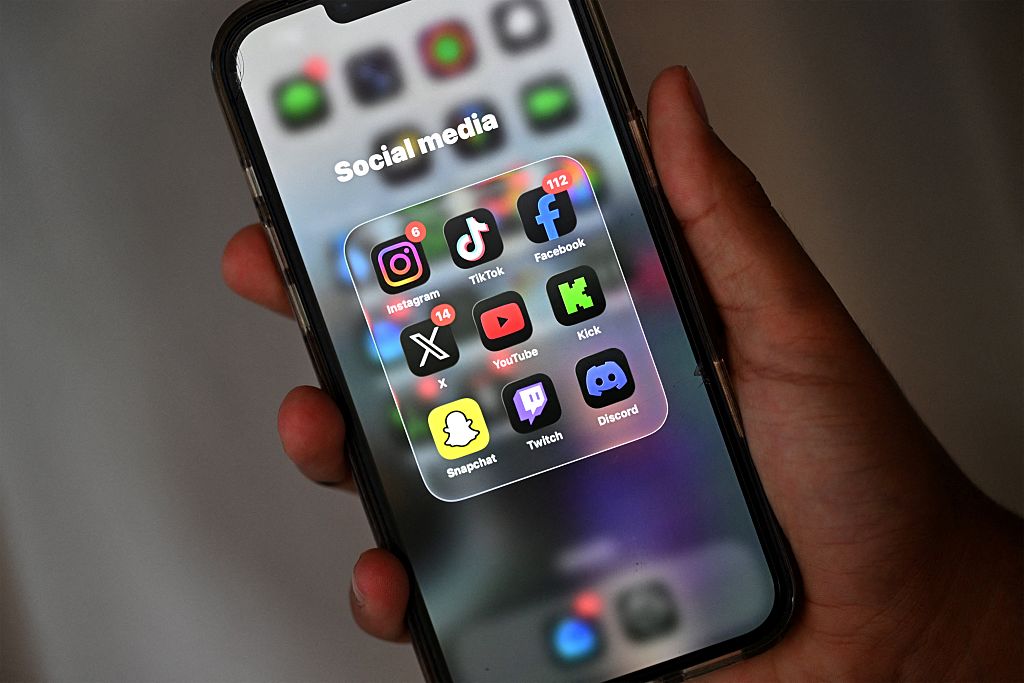
UK Plans Default Midnight Social Media Curfew for 16- and 17-Year-Olds









Related Articles

EuropeThe Final wakeup call
Lula wins a miracle election in Brazil. Now comes the hard part: putting the country back on the right track
Three weeks ago, Brazilian President Luiz Inácio Lula da Silva’s political obituaries...
EuropeThe Final wakeup call
US midterms: what a new Congress could and could not change for Europe
US midterm elections traditionally attract fewer voters than presidential contests. But this...
EuropeThe Final wakeup call
Political power without balance leads to the erosion of democracy, what Montesquieu can teach modern-day France
KEY TAKEAWAYS Democratic erosion does not start by doing away with elections;...



China Business & EconomyChina NewsChina Technology
China Tech Index Plunges More Than 40 Percent From July Peak
China’s technology-heavy STAR 50 index has fallen by more than 40 percent...
