Jan Jekielek (R) and Robert Moffit discuss the Chinese communist regime’s system of forced organ harvesting, at a Heritage Foundation event in Washington on April 7, 2026. Irene Luo/The Epoch TimesCommentaryChinese doctors murder and organ harvest political prisoners.As detailed in “Killed to Order,” a thoroughly researched new book by Epoch Times senior editor Jan Jekielek, political prisoners such as Falun Gong practitioners and Uygur Muslims are tissue-typed and killed to supply product for the country’s burgeoning transplant black market in human kidneys and livers. This is why the wait for a vital organ in China may be as short as a week, whereas it may take years in countries with ethical transplant systems.The Chinese Communist Party is an unmitigated tyranny, and the government deploys forced organ harvesting as a means of control. But Jekielek also attributes part of the blame for the atrocity to utilitarian bioethics, a value system aimed at minimizing suffering—even if that leads to the sacrifice of some people for the greater good. Such thinking, he writes, “represents a fundamentally different way of thinking about human life” than following the “do no harm” medical ethic epitomized by the Hippocratic Oath.Utilitarian bioethical thinking has also infected Western medicine. In countries such as Canada, Spain, the Netherlands, and Belgium, sick, disabled, and mentally ill people are allowed to donate their organs after being killed by a lethal jab euthanasia or doctor-prescribed suicide. True, these policies do not rise to the coercive extreme seen in China. But they nevertheless represent a terrible moral wrong that abandons the suicidal and gives society a utilitarian stake in facilitating their deaths.Here are a few examples of what I mean:A mentally ill Spanish 26-year-old woman named Noelia Castillo Ramos—who had been long diagnosed with OCD and borderline personality disorder, was twice raped. The crimes left her so distraught, she jumped from a fifth-story window, which left her a paraplegic. She then asked for euthanasia, which is legal in Spain. Her father sued to prevent the killing but lost in court. After Ramos was euthanized and her organs were procured last month, her lawyer told an interviewer that she had been pressured by the hospital not to back out of dying because her organs were already “committed.”In another Spanish case, the face of a woman who wanted euthanasia was 3-D tested ahead of her killing so she could donate it after dying. Once she was accepted for euthanasia, the primary focus of the medical team became the planning and preparation for the surgery.Our closest cultural cousins in Canada also allow euthanasia for the dying and non-terminally ill. If an Ontarian patient is accepted to receive a lethal injection—starting next year, the mentally ill will be able to access euthanasia—the organization that oversees organ donation must be informed so that its representative can contact the soon-to-be-dead person and ask for his or her liver, kidneys, pancreas, lungs, and heart. No suicide prevention offered.The clear message sent by conjoining euthanasia and organ harvesting—with the active support of organ transplant medical associations, I am sorry to report—is that the deaths of the sick, disabled, and mentally ill have greater value than their lives. Indeed, society now has been given a stake in these deaths to the point that harvesting after euthanasia has been described in Canadian media as a “boon to organ donation.”“But Wesley,” some might say. “The people consented.“True, but the potential to donate organs can become a primary reason for asking to be killed, or at least, can become a major factor in the timing of death requests. For example, a 16-year-old Belgian teenager with brain cancer asked to be euthanized and have her organs harvested so that she could “help people.” Once doctors agreed, she became instrumentalized by being put into an artificial coma for 36 hours before being killed and her organs procured. Please note that the coma was not for her medical benefit, but to test her tissues and provide the time needed to find suitable recipients. In other words, at least in some sense, once the girl was deemed killable, her body parts became the primary factor in her care.The utilitarian impetus is also causing some bioethicists to argue for the repeal of the dead donor rule—the ethical foundation of organ transplant medicine that requires donors of vital organs to be deceased before procurement and which prohibits killing for organs. For example, a recent article in the influential “Journal of Medical Ethics” argued that doctors be allowed to harvest the vital organs of cognitively disabled people while they’re still alive. What matters most in organ donation, the article argued, isn’t death but consent, particularly if the living patient has been diagnosed as permanently unconscious. In such cases, the argument goes, killing isn’t morally wrong, because such people no longer possess “ultimate interests.” Talk about dehumanization! And what if a mistake has been made as often happens in such cases?It is becoming increasingly clear that the dehumanizing values fueling the Chinese organ harvesting horrors also lurk in Western medicine and contemporary bioethics discourse. True, our societies will surely never kill political prisoners and sell their organs. But we are well on the way to treating ill and suicidal people who want to die as so many natural resources to be reaped like a corn crop. In this sense, if China’s evil is akin to a 108-degree societal fever, the temperature in the West hovers near 102.Views expressed in this article are opinions of the author and do not necessarily reflect the views of The Epoch Times.


Euthanasia and Organ Harvesting Reveal Western Medicines Utilitarian Drift








Related Articles
China Business & EconomyChina NewsChina Technology
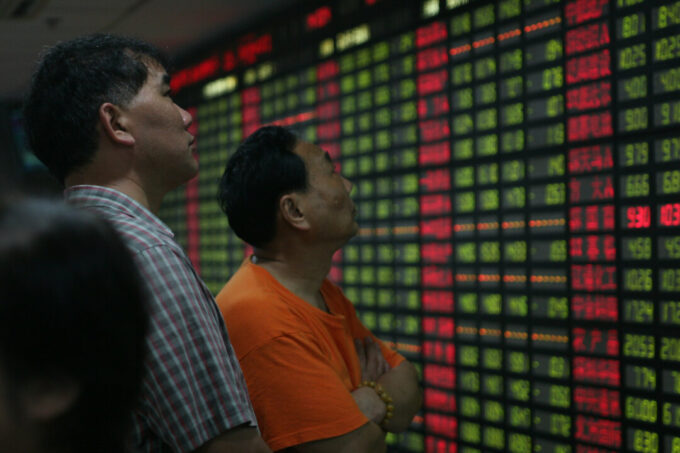
China Tech Index Plunges More Than 40 Percent From July Peak
China’s technology-heavy STAR 50 index has fallen by more than 40 percent...
China Military NewsChina NewsChinese RegimeInside CCP OfficialdomSpecial TopicsZhang Youxia
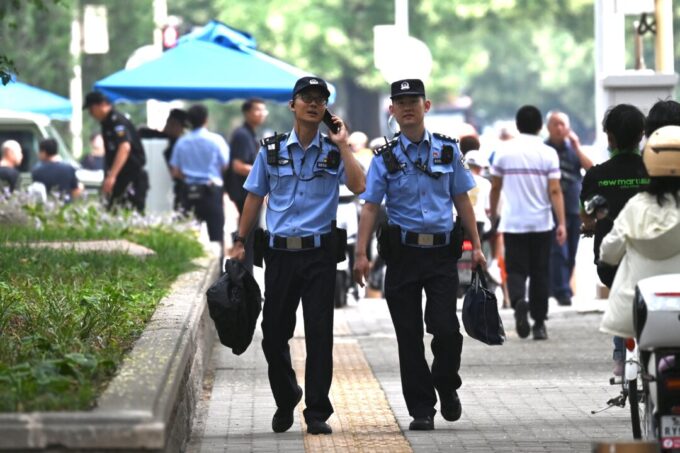
Xi Opens CCP Plenum Amid Sweeping Purges, Record-Low Attendance Forecast
Chinese Communist Party leader Xi Jinping opened a four-day meeting of senior...
China Business & EconomyChina NewsChinese RegimeFinance & Business TiesInside CCP OfficialdomSpecial Topics
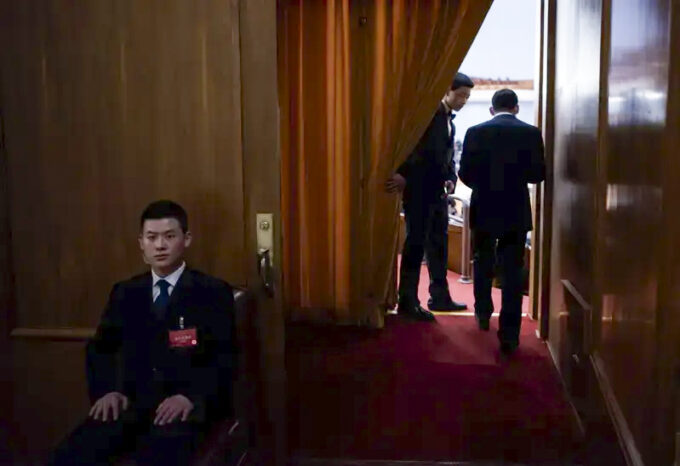
Chinas Economic Woes Deepen as CCP Plenum Focuses on Political Control
The Chinese Communist Party (CCP) opened a four-day leadership meeting in Beijing...



China NewsEuropeGlobalUK NewsWorld News
UK Must Be Ready for War in 1,000 Days, Says British Defense Secretary
British Defense Secretary Wes Streeting has said the country must be ready...
