

Racheli alongside children and adults in an Israeli bomb shelter on the night of March 10-11. (This image was digitally altered to conceal childrens’ identities). Vadim BerestetskyOn the night of March 10-11, sleep had ceased to be real sleep for Merav. It had become only a brief pause between one siren and the next. Five times that night, she woke in alarm, roused her two daughters, ages eight and 11, gathered them up half-asleep and led them down six flights of stairs to the building’s shelter.There, beneath harsh fluorescent lights, among drowsy neighbors, children wrapped in blankets, phones in hand, and restless dogs, they waited for the danger to pass—and then returned to their apartment, only to discover that before long it was all beginning again.“The moment the alert comes through on our phones, we rush to wake the girls and head down to the shelter,” Merav says. “At night, that’s when it’s hardest.”Since the war began, the threat sending Israelis into shelters has involved more than just “ordinary” ballistic missiles carrying warheads weighing hundreds of kilograms.Even those are unlike the missiles familiar from Israel’s other fronts against Hezbollah, Hamas, or the Houthis: they are heavier, faster, more destructive, and more difficult to intercept. According to recent reports, Iran has also launched missiles carrying separating warheads that disperse sub munitions over a wide area—effectively a form of cluster bomb.While Merav and her daughters sit on mattresses in the shelter, Israel’s multilayered air-defense umbrella is at work above them. Arrow 3 is designed to intercept ballistic missiles outside the atmosphere. Arrow 2 operates in the upper layers of the atmosphere. David’s Sling is used, among other things, against medium-range ballistic threats. Alongside them, the American THAAD system, deployed in Israel, is also helping reinforce defenses against ballistic missiles.But no technical description of interception systems can erase the feeling of imminent danger. Three days earlier, part of an Iranian missile struck only about 30 meters—roughly 100 feet—from Merav’s home.For Merav, the strain is measured not only by the number of sirens, but by the gradual unraveling of daily life.








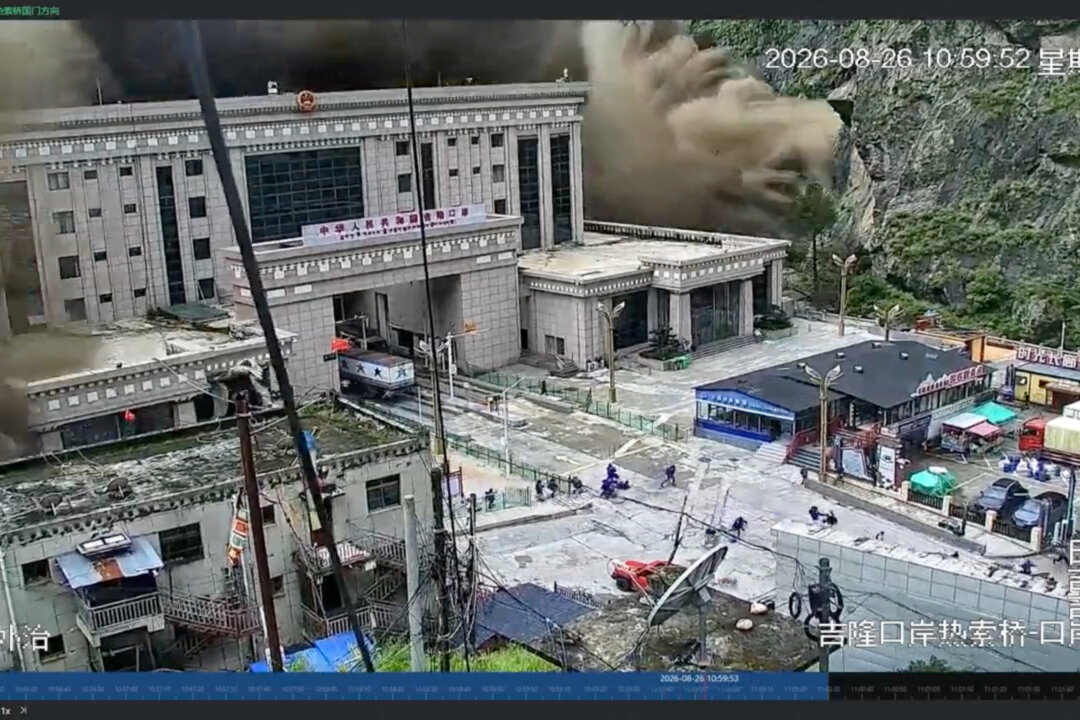
Chinese Scientists Flagged Glacial Flood Danger One Year Before Nepal Catastrophe
More than a year before the catastrophic flash flood devastated the China–Nepal...

Iceland Focuses on Security Partnerships After Voters Reject Opening EU Membership Talks
Icelandic Minister for Foreign Affairs Thorgerdur Katrin Gunnarsdottir attends a press conference...
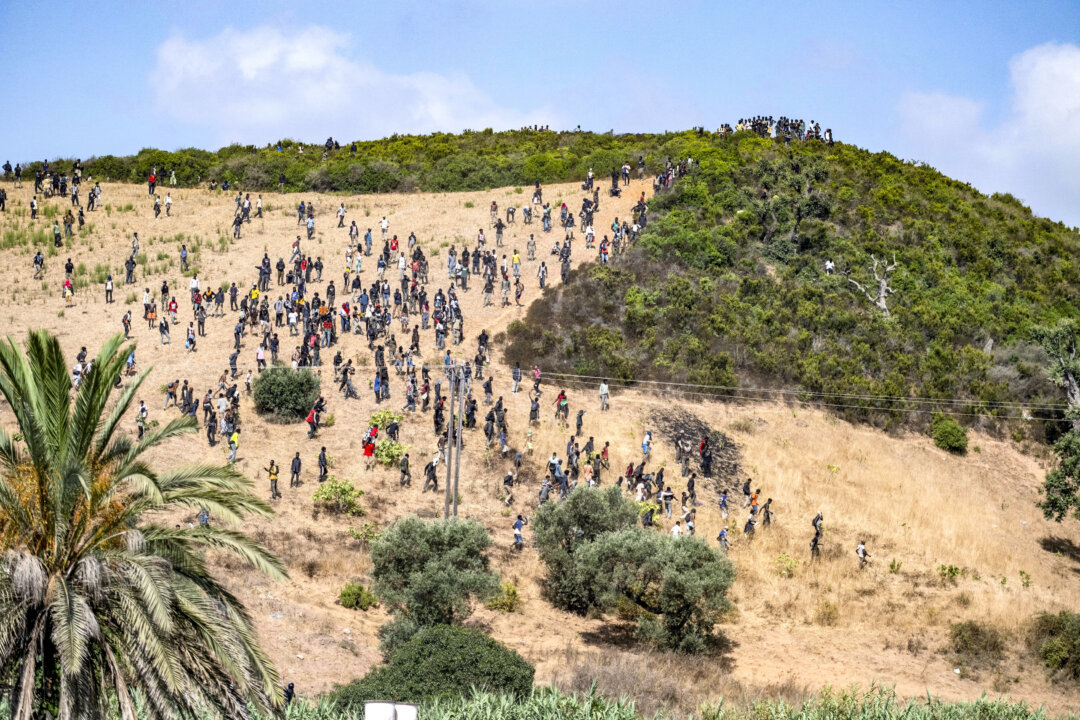
Italy, Spain Extend Tit-for-Tat Border Curbs After Ceuta Illegal Immigrant Crisis
Immigrants gather on a hill as they attempt crossing from the border...
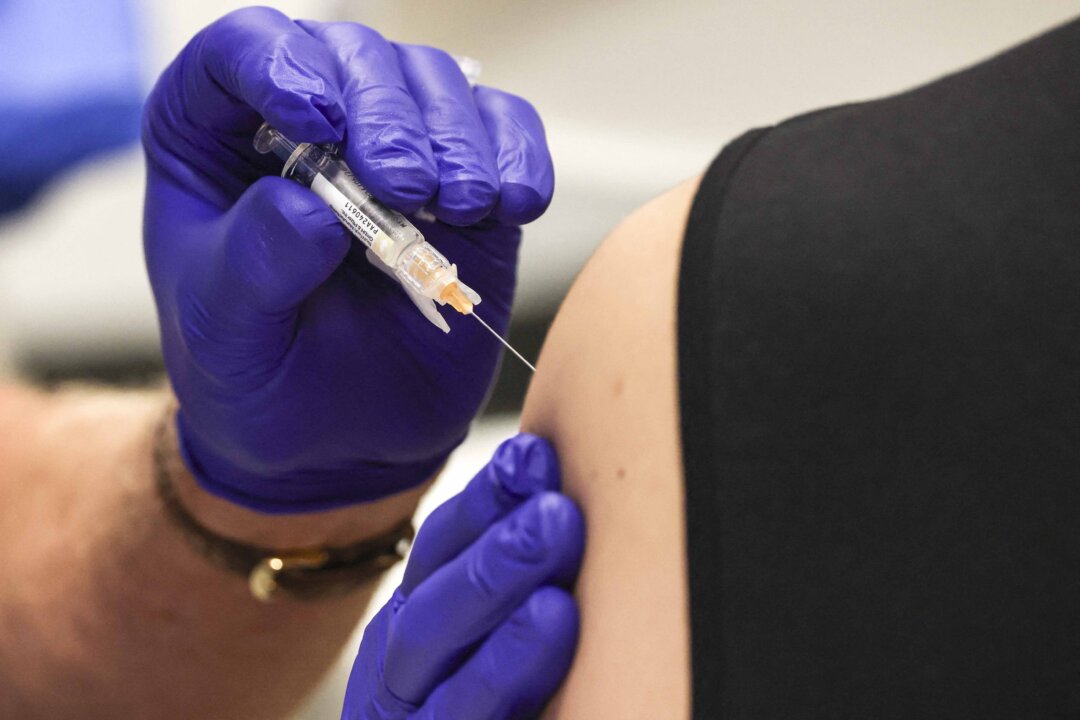


Vaccine Maker Halts Trial on mRNA Cancer Shot
A pharmacist administers the Pfizer-BioNTech vaccine in Los Angeles, Calif., on October...
