A Japanese anime fan community in China with more than 800,000 users has become the center of a sweeping clampdown under the communist regime, with allegations of mass arrests, coerced confessions, and abuse of minors in custody, according to accounts from a whistleblower and family members.The group, known online as the “Fan’er Community,” is described by members as a youth-oriented forum built around Japanese anime culture, memes, and informal discussion. While the forum focused largely on anime, users also exchanged views on social and political issues. According to the whistleblower and family members who spoke to The Epoch Times on condition of anonymity, the community’s emphasis on free expression increasingly drew scrutiny from the communist regime.Authorities designated it a “hostile anti-China criminal organization,” triggering a large-scale police operation in 2025 that has led to the detention and arrest of dozens of administrators and the detention of more than 200 users, many of them teenagers.Political Allegations and Forced ConfessionsAccording to the whistleblower, police in Yuhuan, Zhejiang Province, launched multiple waves of arrests in spring and summer 2025 targeting active users of the platform. Authorities accused participants of “picking quarrels and provoking trouble,” a broadly defined offense frequently used in China to clamp down on dissent.The whistleblower said investigators framed the case as involving a “foreign-influenced ideological network” and established a dedicated task force to pursue the investigation.The clampdown was triggered in part by an internal dispute between two community administrators, after one individual allegedly reported the group to police for supposed “political content.” The police then expanded the investigation, treating the platform as an organized criminal network, according to the whistleblower.The whistleblower alleged that police and regime authorities used coercive interrogation tactics, including physical violence, sleep deprivation, and psychological pressure, to extract confessions.Detainees were allegedly told that sentencing outcomes were predetermined and that legal appeals would be futile. A legal aid lawyer allegedly suggested suspects could receive longer sentences if they refused to confess and lighter punishment if they cooperated.The whistleblower described conditions that include repeated overnight interrogations, deprivation of food, and prolonged sleep restriction. Some detainees were allegedly forced to stand for extended periods during nighttime hours before being interrogated during the day.One young suspect, surnamed Dong, lost more than 20 kilograms during approximately three months in custody, according to the whistleblower.The whistleblower also alleged that some minors were placed in cells with violent adult offenders, contributing to psychological distress and intimidation.Physical coercion, including the use of restraint chairs in which suspects were forced to remain in painful positions for hours during interrogation, was also employed, the whistleblower said.New York-based nonprofit Human Rights in China condemned the Chinese regime’s suppression of the online community composed mostly of minors, according to a post on XCases Involving Vulnerable MinorsSeveral specific cases were revealed by family members and whistleblowers to The Epoch Times.One 17-year-old, surnamed An, was detained after producing short anime-related video edits. Family members say he had pre-existing mental health challenges and a history of suicidal intent. He allegedly “confessed” after repeated interrogation pressure.A 16-year-old surnamed Wu was interrogated for two months without parental presence, with police citing case confidentiality. Family members say he was beaten in detention and later developed severe psychological trauma.Another 17-year-old, surnamed Chen, was subjected to repeated sleep deprivation, nighttime interrogations, and starvation before eventually “confessing” under extreme exhaustion.A 13-year-old girl, surnamed Lei, was questioned and later released due to her young age. However, she suffered severe psychological distress following threats from the police and later attempted self-harm.The family members also revealed that individuals outside of China who were linked to the community faced indirect pressure, including threats directed at relatives inside China.One case involved a U.S.-born teenager who faced threats through his Chinese parents, who were in China, after speaking publicly in the United States about the investigation.Another teenager who attempted to report misconduct to higher authorities was allegedly targeted with repeated intimidation, including threats of imprisonment and pressure to withdraw complaints. The individual attempted suicide but survived after medical treatment.Concerns Over Legal Process Families also allege interference in legal representation. Some say that attorneys discouraged formal defense efforts and instead urged suspects to accept guilty pleas early to reduce sentencing risks.In one case, a defense attorney allegedly told the suspect’s mother that an acquittal was unrealistic given the case’s political sensitivity and encouraged cooperation with investigators.Some families further allege that lawyers with prior ties to local police agencies participated in efforts to discourage defense challenges, raising concerns about conflicts of interest.The whistleblower argues that the case reflects deeper structural issues in China’s local justice system, alleging that prosecutors, police, and legal aid lawyers worked in coordination to secure convictions.He alleged that evidence was frequently fabricated or pieced together from coerced confessions to construct a broader “organizational criminal network,” expanding the scope of arrests over time.The whistleblower further alleged that the regime’s judicial authorities effectively predetermined outcomes before formal trial proceedings, undermining procedural fairness and judicial independence. He called for international attention to the case, urging scrutiny of what he described as widespread abuse of minors, coerced confessions, and systemic violations of due process.The Epoch Times contacted the local police in Yuhuan, Zhejiang Province, for comment, but did not receive a response by the time of publication.Yi Ling contributed to this report.

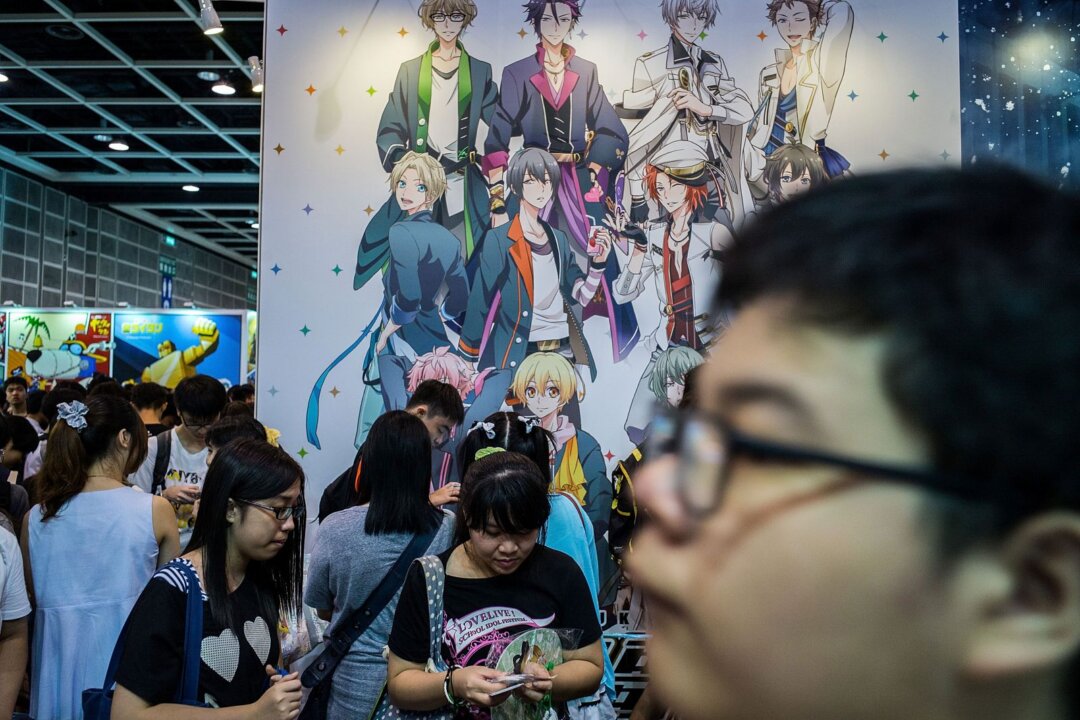
Whistleblower, Families Allege Abuse of Minors in CCPs Clampdown on Online Anime Community









Related Articles

China Business & EconomyChina NewsChina Technology
China Tech Index Plunges More Than 40 Percent From July Peak
China’s technology-heavy STAR 50 index has fallen by more than 40 percent...
China Military NewsChina NewsChinese RegimeInside CCP OfficialdomSpecial TopicsZhang Youxia
Xi Opens CCP Plenum Amid Sweeping Purges, Record-Low Attendance Forecast
Chinese Communist Party leader Xi Jinping opened a four-day meeting of senior...
China Business & EconomyChina NewsChinese RegimeFinance & Business TiesInside CCP OfficialdomSpecial Topics
Chinas Economic Woes Deepen as CCP Plenum Focuses on Political Control
The Chinese Communist Party (CCP) opened a four-day leadership meeting in Beijing...



China NewsEuropeGlobalUK NewsWorld News
UK Must Be Ready for War in 1,000 Days, Says British Defense Secretary
British Defense Secretary Wes Streeting has said the country must be ready...
