
Money is changing at a pace that would have seemed unthinkable even a few years ago. In just the last ten years, credit cards, debit cards and mobile phones have displaced cash, with notes and coins being used less and less as physical money gives way to digital. Given this growing trend, the European Central Bank (ECB) is now working towards the launch of the digital euro – an electronic version of public money – with the aim of providing a safe, secure public option for making digital payments. Europe is not alone in this pursuit, as more than 130 countries are exploring or have already launched their own digital currency. China leads the pack with its digital yuan – also known as the digital renminbi – which has seen more than 7 trillion yuan in transactions and is used in over 26 cities. The idea seems simple, but it will have major, potentially complex implications, both for ordinary people and for Europe’s financial systems. Read more: The problem with cashless payments What exactly is the digital euro? The digital euro is non-bank public money. It has the same validity as a physical banknote but in digital form, and it is issued by the ECB without the involvement of private banks. Unlike a bank balance – which is a promise from the bank that could fail – it is as secure as cash. Digital euros will be stored in a virtual wallet, which will not work like a traditional bank card (whether physical or stored on a mobile phone). Although handling it will be similar, it is fundamentally different because will be linked to public money issued by the ECB, not to money deposited in a private bank. Debit cards will continue to rely on traditional bank accounts, while the digital euro will be like carrying cash in your pocket. It will be a balance that does not depend on the solvency of any financial institution. The digital euro will not be used to take out loans or make investments, nor will it generate interest. It will simply be a means of payment, like cash, cards or online transfer services like Bizum. The ECB will not perform the functions of a commercial bank and will not open personal accounts. The digital wallets themselves will be provided by financial institutions, just as they currently offer cards and current accounts. Businesses will accept it just as they currently accept cash. One key feature is that the digital euro will also work without an internet connection, enabling payments in rural areas or in the event of network outages. This sets it apart from most current digital banking services. Rollout by 2029 In February 2026, the European Parliament formally endorsed the digital euro project, describing it as “essential to strengthening EU monetary sovereignty”. The ECB is currently developing the technical and legal infrastructure required for its implementation. The Bank of Spain has summarised this process in a timeline, which shows how the digital euro will progress towards a possible launch in 2029: 2026-2027: Technological development and pilot projects in several European countries 2028: Launch of a limited use programme for selected businesses and citizens 2029: Possible official issuance of the digital euro throughout the eurozone. This final stage will only occur if the test phases have been satisfactory, and if the digital euro does not pose a threat to financial stability. A tentative timeline for the digital euro’s rollout. Banco de España Privacy and the digital wallet One of the most sensitive issues is that of privacy. To address this, the ECB’s proposed design for the digital euro ensures that neither governments nor central banks will be able to see citizens’ balances and transactions. Only financial institutions will have access to that information, just as they do today. Furthermore, in offline payment mode not even the financial institution would be aware of the details of each transaction. The digital euro will therefore offer a level of privacy comparable to that of cash. Read more: European digital identity wallets: how secure are they and what are the risks? The digital euro and the banking system A 2022 study by the International Monetary Fund warned that if citizens transfer part of their bank deposits to digital euro wallets, it could reduce banks’ ability to grant loans, which is one of their core businesses. To safeguard the stability of the banking system, the ECB will cap the digital euro at around €3,000 per person. This will prevent the risk of banks running out of funds to provide mortgages or loans. What are the risks? A payment network serving hundreds of millions of Europeans would be an ideal target for hackers. The Bank for International Settlements has warned that if the security of the European digital currency were to fail, confidence in the financial system could collapse overnight. This means it is vitally important that the digital euro be inclusive and accessible. This can be achieved through a technological design that allows it to function offline and on low-end devices. It must also meet basic accessibility criteria – 2023 data from Eurostat estimated that 21% of Europeans aged between 16 and 74 lacked basic digital skills. One of the biggest fears is that the digital euro could become an instrument of control. In China, the digital yuan allows the government to see every transaction made by its users. Europe has explicitly rejected this model, as Christine Lagarde, President of the ECB, highlighted at a press conference in 2025. The digital euro represents the natural evolution of public money in an increasingly digital economy. Its success will depend on whether or not it can offer security, respect privacy, and be made accessible to all citizens. A weekly e-mail in English featuring expertise from scholars and researchers. It provides an introduction to the diversity of research coming out of the continent and considers some of the key issues facing European countries. Get the newsletter!








You are uninstalling complete packages of ancient programs. Beliefs, limitations, and blocks...
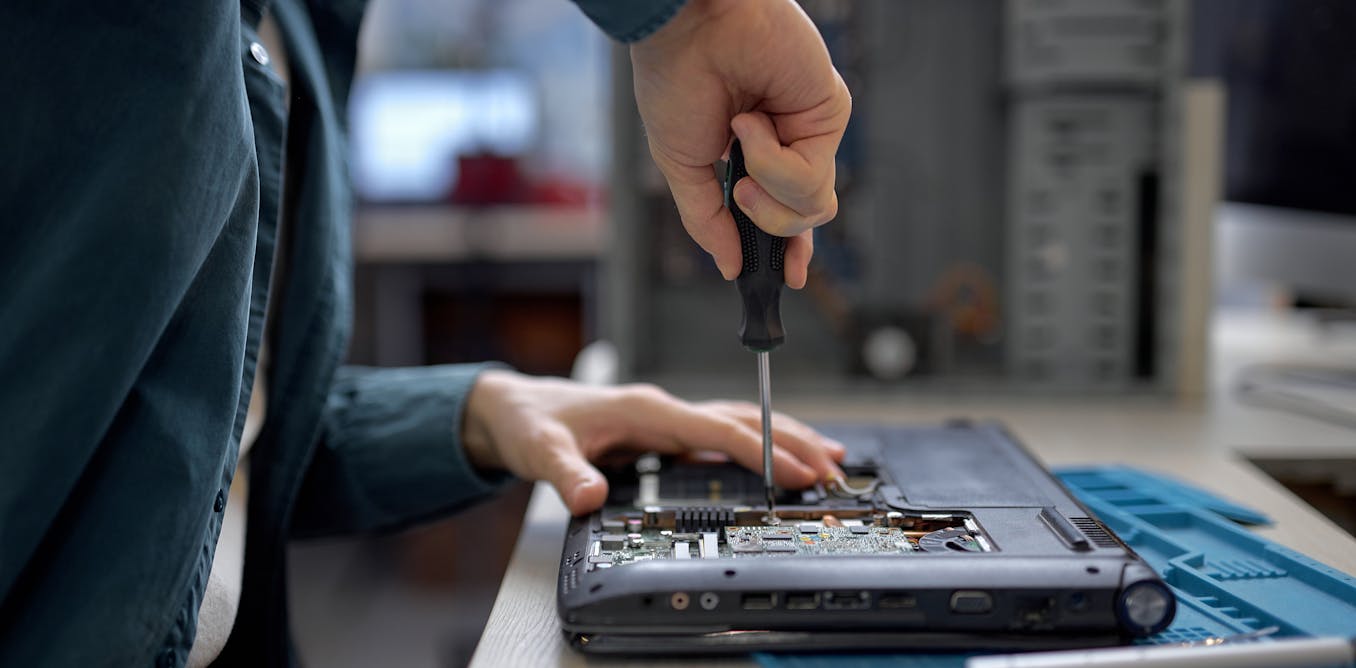
The EUs repair policies are changing the way tech is designed
In the late 1970s, concerned by resource use and scarcity, German industrial...
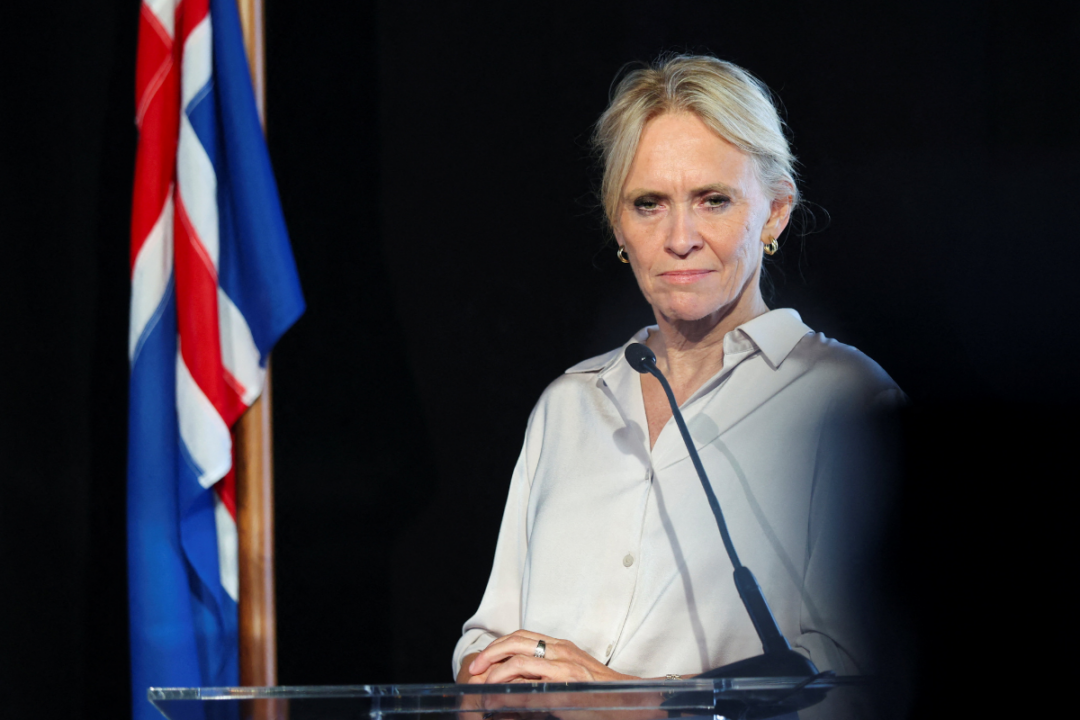
Iceland Focuses on Security Partnerships After Voters Reject Opening EU Membership Talks
Icelandic Minister for Foreign Affairs Thorgerdur Katrin Gunnarsdottir attends a press conference...



Italy, Spain Extend Tit-for-Tat Border Curbs After Ceuta Illegal Immigrant Crisis
Immigrants gather on a hill as they attempt crossing from the border...
