
US Embassy in China Warns US Government-Affiliated Chinese Americans Traveling to China of Being Targeted by the CCP
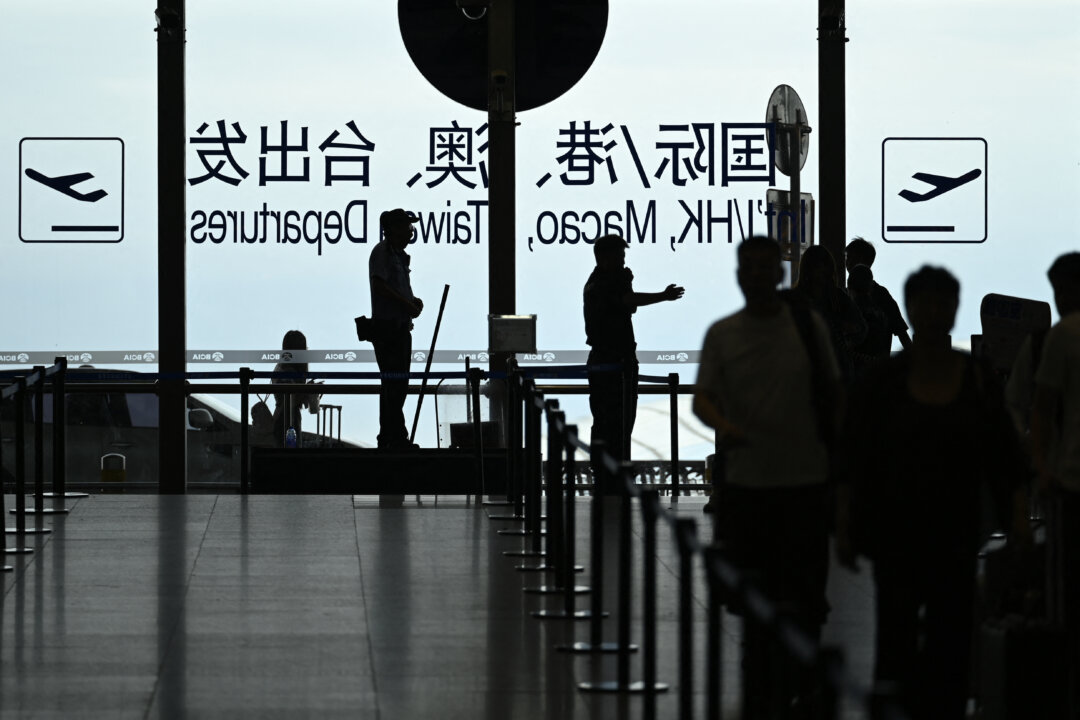
The U.S. Embassy in China issued three advisories on consecutive days recently, warning U.S. citizens of Chinese descent and with ties to U.S. companies or the government of being targeted by the Chinese communist regime for possible detention, arrest, and exit bans.Analysts said the series of warnings shows that the U.S. government is more concerned about the framework of the Chinese regime’s arbitrary law enforcement and willful detention of U.S. citizens amid U.S.-China strategic competitions instead of individual cases.In the advisory issued on June 15, U.S. Missions to China warned that the Chinese regime may target U.S. citizens of Chinese descent, including “those engaged in business disputes, those with links to U.S. companies, or those who have ties to U.S. law enforcement, the U.S. military, or U.S. intelligence agencies.”The notice said that “individuals on U.S. government-funded programs and those with past or present connections to the U.S. government” might be at risk as well.The latest warning follows two other notices issued over the weekend, after the arrest on espionage charges of Chinese American scholar Min Zin in Kunming, Yunnan Province.In the notice “Dual Nationality” issued on June 13, the U.S. Mission to China noted that China does not recognize dual citizenship. U.S. citizens entering mainland China on “Chinese-issued travel documents” or “possession of valid Chinese identity document impedes the U.S. government’s ability to provide consular services in case of exit ban, detention, or disappearance,” it warned.In the notice “Exit Bans and Detention” issued on June 14, the U.S. Mission to China warned of “China’s arbitrary enforcement of local laws, which can result in detention, arrest, or an exit bans.“ It said that ”Chinese authorities may impose exit bans for any reason without a clear, transparent judicial process to resolve it.”On June 12, the Chinese regime’s foreign ministry confirmed the arrest of Min Zin, a U.S. citizen who leads a Burma think-tank focused on democracy and activism in Burma (also known as Myanmar). Min was detained on charges of espionage and endangering China’s national security, according to the ministry. Min disappeared on June 3 after flying to Kunming, Yunnan Province, in southwest China.Min’s case has political and geopolitical connotations, Sun Kuo-hsiang, a professor of international affairs and business at Nanhua University in Taiwan, told The Epoch Times.He said the series of travel warnings following Min’s arrest—including dual nationality, exit ban, the risks of being affiliated with U.S. institutions and programs—suggests that Washington is viewing Min’s case in a framework of the Chinese regime’s arbitrary law enforcement and willful detention of U.S. citizens.As to the latest warning, Sun said that Beijing may view people with Chinese heritage and U.S. institutional ties through a security and loyalty lens rather than as ordinary foreign visitors.“Under China’s expanded counter-espionage and national security framework, academic research, policy work, business disputes, data access, or prior government employment can be reinterpreted as security risks,” he told The Epoch Times.U.S. citizens with Chinese heritage face a high risk now if visiting China, Shen Ming-shih, research fellow at the Division of National Security Research at Taiwan’s Institute for National Defense and Security Research, said of the U.S. travel warnings.The primary reason is the strategic competition between China and the United States, he said. “The Chinese regime suspects that the United States wants to suppress or defeat China all the time.”Shen said that “China sees the United States as a hypothetical adversary and treats many foreign visitors as spies; it’s just a matter of finding evidence to arrest them.”TaiwanA U.S.-made F-16V fighter jet taxis on the runway at an air force base during Taiwan’s annual Han Kuang military drills in Hualien on July 23, 2024. Sam Yeh / AFP via Getty ImagesThe tension across the Taiwan Strait remains high, as the Chinese regime continues to deny the sovereignty of Taiwan and threaten to annex the self-ruled island, a free democracy and an ally of the United States.Shen said that the risks of U.S. citizens traveling to mainland China now are certainly related to the cross-strait relations between China and Taiwan.“As the cooperation between Taiwan and the United States is becoming increasingly closer, the Chinese regime has become more suspicious of people coming from the United States, including scholars and others who don’t have any political motives,” Shen said.For those U.S. citizens of Chinese descent who use Chinese identification documents to enter China, it will arouse more suspicion from the CCP, he said. “[They will say] you are clearly U.S. citizen, why do you use a Chinese ID to enter China? Do you have ulterior motives?”Sun said that the U.S. warnings might not be a direct result of tensions over the Taiwan Strait, “but it’s related to the overall situation of U.S.-China competition in security.”Chinese Americans Caught in an IntersectionThere is also a U.S. intelligence-security context, Sun noted: Washington has accused Chinese intelligence-linked actors of trying to recruit current and former U.S. government and military personnel through fake consulting or job platforms.Commuters cross Pennsylvania Avenue in downtown Washington during the morning rush hour on March 20, 2025. Roberto Schmidt/AFP via Getty ImagesThat makes anyone with Chinese heritage plus U.S. government experience more politically sensitive in both directions, he said.Sun concluded that the latest U.S. embassy’s warning reflects a U.S. judgment that, “amid intensifying U.S.-China rivalry, Beijing may increasingly use exit bans, questioning, detention, or consular-access restrictions against individuals who sit at the intersection of Chinese ethnicity, American citizenship, and U.S. state connections.”The U.S. Embassy’s warnings have proven once again that mainland China under the Chinese Communist Party’s (CCP) rule is a high-risk area for foreigners, Shen said.“It doesn’t matter what’s the purpose of your visit or how you interact with local people, in mainland China, if the CCP wants to detain you, they don’t need any reason, they can just fabricate a charge against you,” he said.Luo Ya and Reuters contributed to this report.










The EUs repair policies are changing the way tech is designed
In the late 1970s, concerned by resource use and scarcity, German industrial...
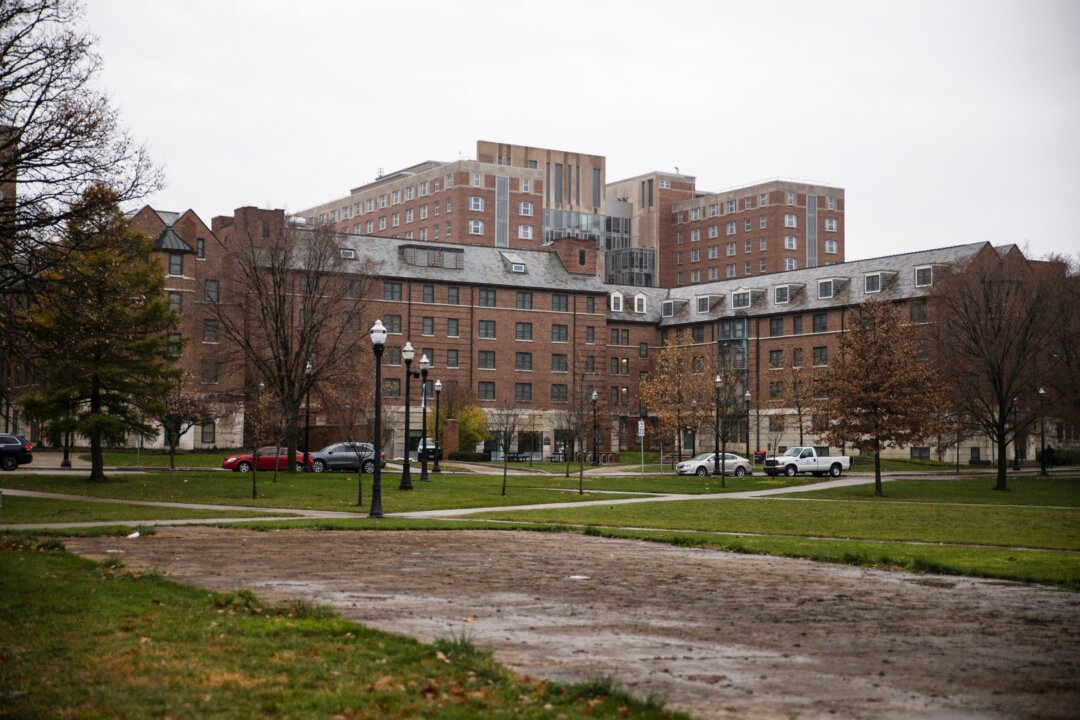
Ohio State Agrees to $2.1 Million Federal Settlement Over Undisclosed China Research Ties
Ohio State University has agreed to pay $2.1 million to resolve federal...
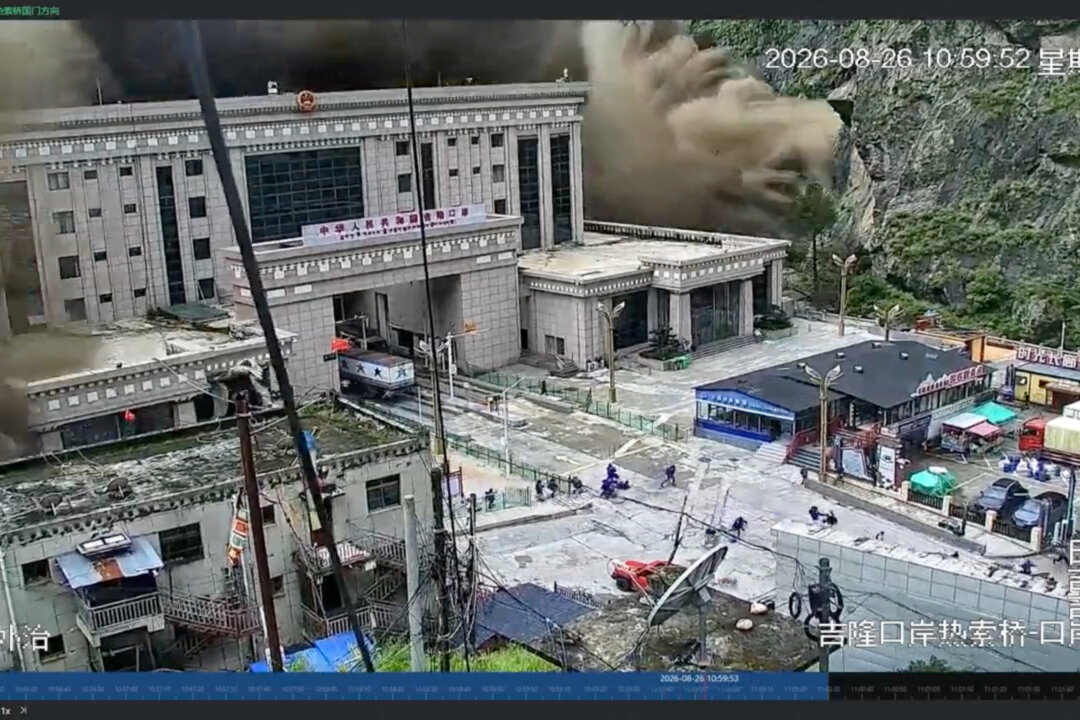
Chinese Scientists Flagged Glacial Flood Danger One Year Before Nepal Catastrophe
More than a year before the catastrophic flash flood devastated the China–Nepal...
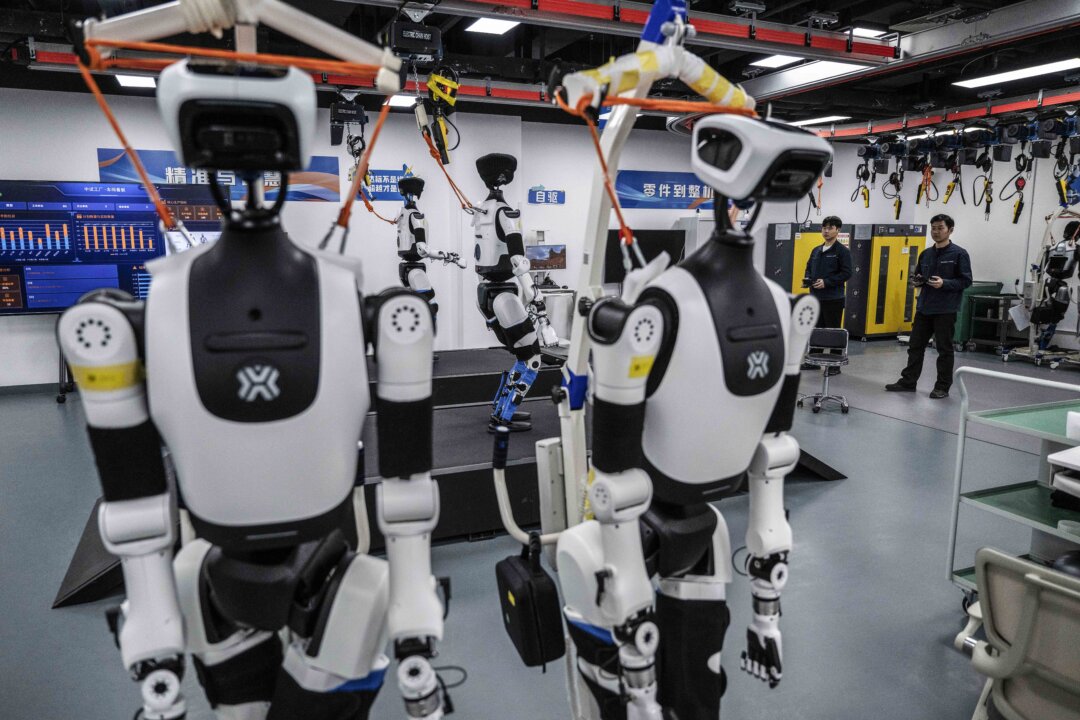


Chinas Humanoid Robot Companies Face Reality Check
China is showcasing humanoid robots as symbols of its technological ambitions. However,...
