
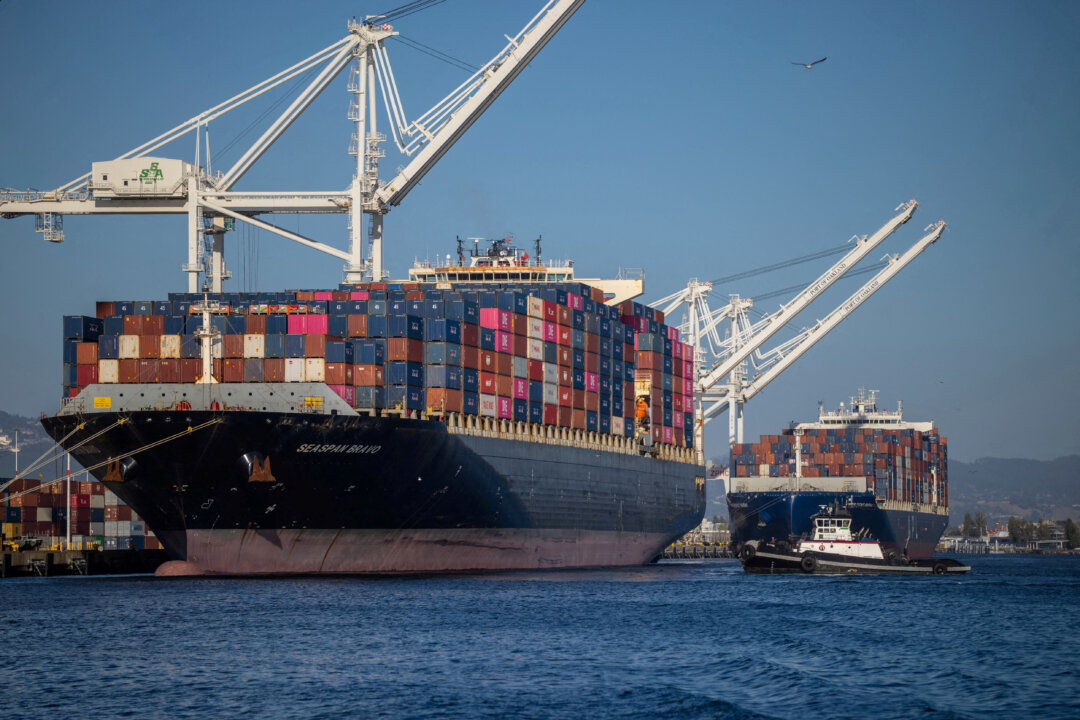
A cargo ship full of shipping containers is seen at the port of Oakland, Calif., on Aug. 4, 2025. Carlos Barria/ReutersPresident Donald Trump on Monday extended a waiver of the Jones Act for 90 days, allowing foreign ships to move oil, fertilizers, and other energy-related products between U.S. ports.The extension goes into effect Aug. 17, and follows the initial waiver issued March 17 to ease transport of coal, oil, and refined fuels during the war with Iran.The Jones Act of 1920 requires vessels carrying goods between U.S. ports to be built, owned, flagged, and crewed by Americans. The law seeks to support the domestic maritime industry and military readiness. A waiver to the Jones Act is seen as a short-term response to supply disruptions.Taylor Rogers, a White House spokeswoman, said in a statement posted on X that the administration acted “to ensure our military and key industries maintain uninterrupted access to critical resources.”She said data show the waiver has driven a significant increase in domestic deliveries of essential products such as gasoline, diesel, and jet fuel.“President Trump continues to take bold, common-sense action that protects and strengthens America’s economic and national security,” she said.The latest waiver differs from earlier ones, covering a narrower scope of energy and agricultural goods. The Pentagon will consult the Maritime Administration, part of the Transportation Department, before determining which voyages qualify for exemption.Trump first greenlit a 60-day waiver in March as part of efforts to stabilize oil markets after the joint U.S.-Israeli military operation against Iran began. The conflict disrupted shipping through the Strait of Hormuz, a key route for global oil and liquefied natural gas. Vessel traffic there has remained well below prewar levels.“President Trump’s decision to issue a 60-day Jones Act waiver is just another step to mitigate the short-term disruptions to the oil market as the U.S. military continues meeting the objectives of Operation Epic Fury,” White House press secretary Karoline Leavitt said in a post on X on March 18, adding that the move was part of the administration’s commitment to strengthening the nation’s critical supply chains.A subsequent 90-day extension in April cited data showing more shipments arriving at U.S. ports faster. White House officials said the extension would provide certainty and help maintain supplies of vital energy products, industrial materials, and agricultural necessities.The current extension comes as Strait of Hormuz traffic has come to a near standstill due to the war, continuing pressures on markets. The move marks the longest suspension of the century-old law in its history.










Ohio State Agrees to $2.1 Million Federal Settlement Over Undisclosed China Research Ties
Ohio State University has agreed to pay $2.1 million to resolve federal...

Chinese Scientists Flagged Glacial Flood Danger One Year Before Nepal Catastrophe
More than a year before the catastrophic flash flood devastated the China–Nepal...
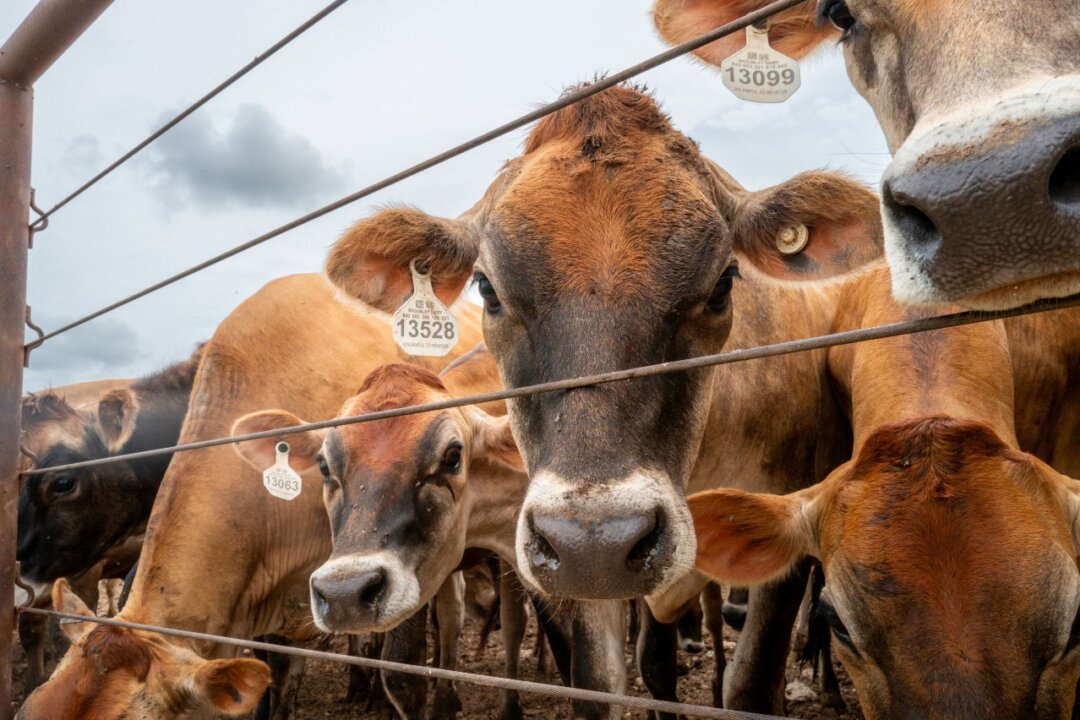
USDA Unveils New Support for Ranchers to Rebuild Cattle Herds
The U.S. Department of Agriculture has unveiled a new package of measures...
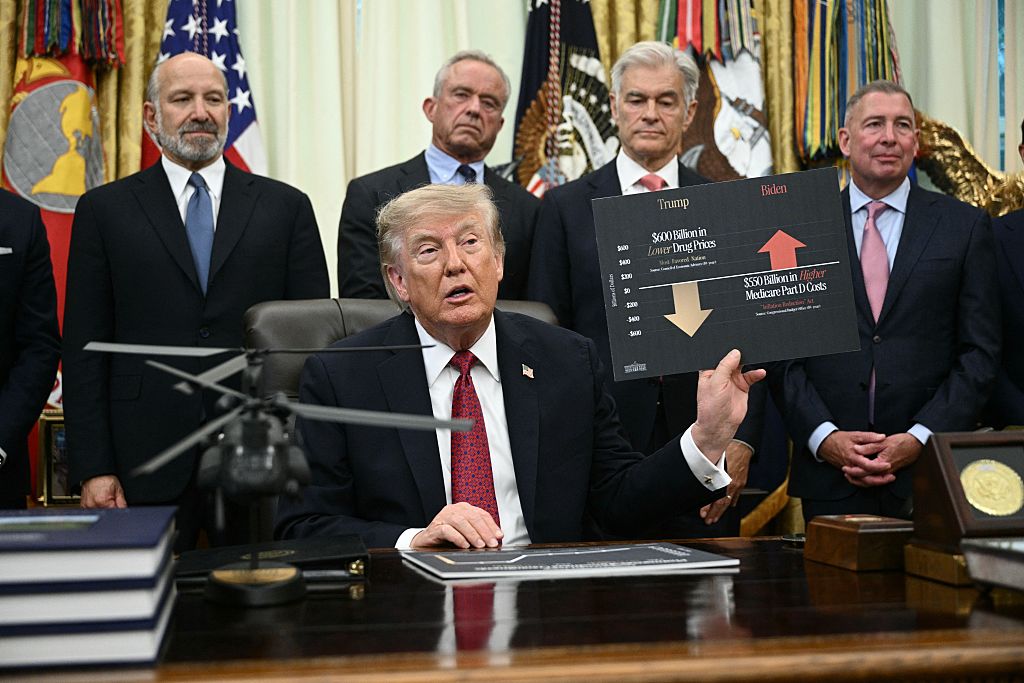


Trump Unveils New Drug Pricing Deals With 9 Pharmaceutical Companies
President Donald Trump on Aug. 31 announced agreements with nine midsize pharmaceutical...
