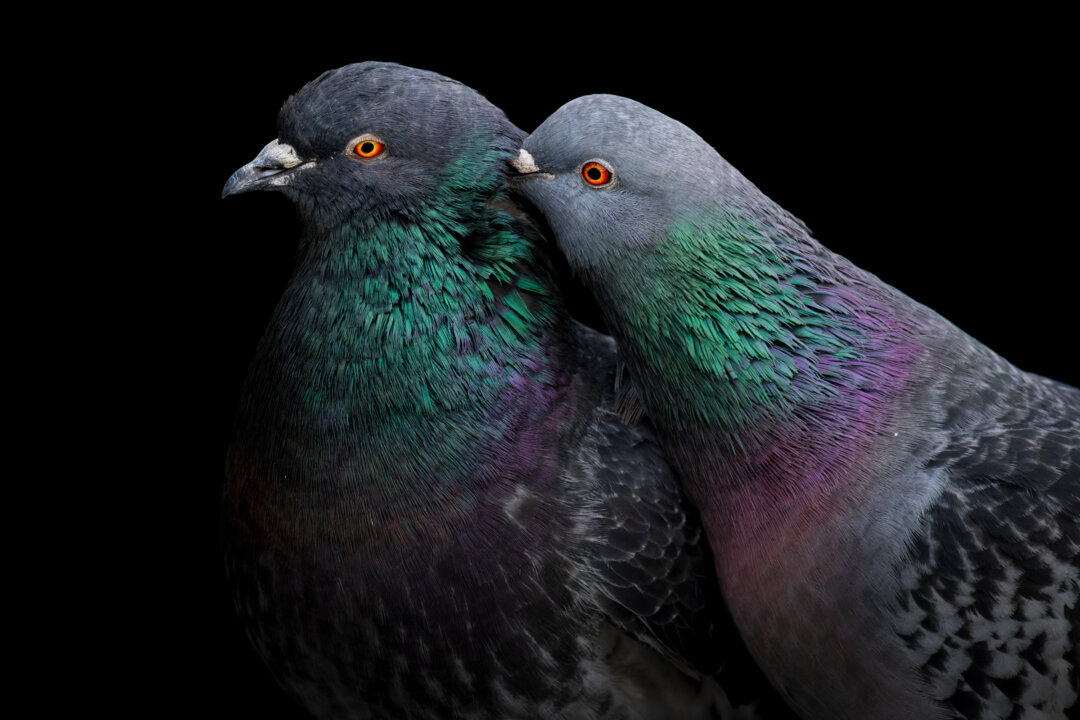
Pigeons have an annoying advantage over humans. Drop a pigeon hundreds of kilometres from home and, more often than not, it will still find its way back. Scientists think part of the answer may lie in an unexpected place: the liver.New evidence suggests pigeons may use specialised immune cells in the liver to detect the Earth’s magnetic field, giving them an internal compass and making the humble pigeon more sophisticated than its public image as a chip thief with wings.The Pigeon’s Liver May Detect Earth’s Magnetic FieldRecent research suggests iron-rich immune cells in the pigeon’s liver may help it detect the Earth’s magnetic field. These cells, called macrophages, normally help clean up old red blood cells, a process that leaves them containing iron.Researchers found the cells have strong magnetic properties, raising the possibility that pigeons may carry part of their navigation system in an organ most humans think about only after Christmas lunch.It seems the pigeon has put a compass in its liver.Human beings have put satellites into space and covered the planet in mobile phone towers, but the pigeon has a liver.Scientists tested the importance of these cells by removing them and then examining how the birds navigated. On sunny days, the pigeons managed quite well, probably because they could use the sun as an alternative guide. On cloudy days, however, they became disoriented. Apparently even pigeons have a backup plan—but only if the weather cooperates.Researchers also found the iron-rich cells sitting close to nerve fibres, suggesting there may be a way for information about the Earth’s magnetic field to travel from the pigeon’s liver to the brain.Nobody yet knows what the conversation between these organs looks like. Presumably the liver says, “North-east.” Then the brain says, “Are you sure?” Fortunately, unlike a married couple in a hire car, the pigeon does not spend the next forty minutes discussing whose idea it was to take the scenic route.The great difficulty with appreciating pigeons is that they don’t look like animals in possession of hidden genius. Their heads move backwards and forwards as though they were attached several minutes after the rest of the body. They lurk around statues and public squares, where generations of droppings have done little to improve their reputation.And yet this small grey nuisance is capable of achievements that become increasingly embarrassing the longer one looks into them.Pigeons Can Recognise Human FacesPigeons can recognise also human faces. In one experiment, pigeons learned to avoid a researcher who’d treated them badly and continued to recognise her even after she changed her clothes.So do bear this in mind because somewhere in the city, a small grey bird may be carrying a grievance against you with remarkable neurological precision.Pigeons Can Distinguish a Monet From a PicassoPigeons can be trained to distinguish between Monet and Picasso. There are people who have spent years studying art history and still become nervous when asked to identify anything without a label beside it.A pigeon can be trained to examine visual patterns and sort one great artist from another.Researchers have also trained pigeons to examine medical images. In studies involving breast tissue, the birds learned to distinguish between benign and malignant samples with great accuracy.Pigeons Produce MilkThe pigeon’s other abilities are no less peculiar.Both male and female pigeons feed their chicks a substance known as crop milk. Rich in fats and proteins, it helps baby pigeons to grow quickly. Both parents take part in feeding the young, sharing the business of nesting and childcare.At this point, the pigeon has a functioning navigation system, shared parental leave, and an appreciation of modern art. It’s becoming unbearable.Pigeons Have Served in WarsPigeons have also served in wars, carrying messages when other forms of communication failed. They flew through gunfire and appalling conditions, sometimes saving large numbers of human lives. Some were even awarded medals for bravery.There is something deeply human about the way we have handled this legacy. One generation decorates the pigeon for courage. A few generations later, we’re shouting at its great-grandchild outside a bakery.Humans have had a very long and complicated relationship with pigeons. Once symbols of wealth and status, pigeons were kept by the powerful in grand pigeon houses. When the French Revolution arrived, pigeons became caught up in the anger directed at the wealthy elite.Walt Disney, Elvis Presley, and Mike Tyson All Loved PigeonsPigeons have fascinated all sorts of famous people. Charles Darwin studied them closely while developing his ideas about evolution. Claude Monet kept them. Walt Disney, Elvis Presley, and Mike Tyson have all been associated with pigeon fancying.This may be the most extraordinary pigeon fact of all because there can’t be many subjects where Darwin, Elvis, and Mike Tyson agree.Perhaps the reason we underestimate pigeons is that there are so many of them. So the next time you see a pigeon marching towards your sandwich, maybe pause before dismissing it as a rat with wings.It may recognise your face. Its liver may be quietly reading the planet. And while you are still standing in the car park wondering where on earth you left the car, the pigeon already knows exactly where it is going.










Related Articles

BrightBusinessInvestingPersonal FinanceStocks
Wall Street Is Very NervousShould You Worry? Can You Repair Your Losses?
On Oct. 23, the Dow Jones Industrial Average fell 652.82 points, or...
China NewsEuropeGlobalUK NewsWorld News
UK Must Be Ready for War in 1,000 Days, Says British Defense Secretary
British Defense Secretary Wes Streeting has said the country must be ready...

China NewsEuropeGlobalUK NewsUK Top NewsWorld News
UK Prime Minister Says He Agrees With Principle of Migration Reform
British Prime Minister Andy Burnham said on Oct. 26 that he agreed...



China NewsEuropeGlobalWorld News
Serbian President Concedes Election Defeat to Student-Led Coalition
Serbian President Aleksandar Vucic has conceded defeat in the Oct. 25 election...
