
Our personal life scripts are shaped, in part, by the narratives and behaviours we see in popular media. This influence is particularly pronounced during adolescence, a time when young people explore social roles and norms, and construct what will become their adult identity. One key dimension of this formative period, which can be deeply affected by media and other mainstream entertainment, is what researchers call “sexual scripts”. These are the learned guidelines and expectations that, once internalised, inform how people, especially teens, understand, approach, and enact sexual behaviour in everyday life. In modern society, much of what teenagers know about relationships is filtered through stories on a screen, often long before they have their own romantic and sexual experiences. Within this broader context, there is growing concern about the ways pornography can influence real-life intimacy and sexuality. As technology enters every corner of our lives, children have access to smartphones and other digital devices at increasingly younger ages. This often means earlier exposure to pornography, which can now begin as early as 12. Research has shown that consuming pornography is often associated with individual traits such as sensation-seeking or openness to experience. Studies have also explored the ways in which early exposure to such material may configure sexual attitudes and behaviours. Findings have been mixed. Some studies point to the reinforcement of unrealistic expectations or gender stereotypes, while others suggest that, in certain contexts, pornography can be a valid source of information, exploration, or sexual self-understanding. Our recent study adds another layer to this discussion by suggesting that sexual content embedded in mainstream, non-pornographic media may serve as an intermediate step toward later pornography use. Sex on the screen Our article, published in the journal Sexuality Research and Social Policy, draws on data from a representative survey of Spanish young adults between the ages of 18 and 25. Analysing responses from 1,000 questionnaires, we examined whether exposure to sexualised mainstream media during adolescence is associated with pornography use between the ages of 18 and 29, the period psychologists refer to as “emerging adulthood”. Participants were asked to recall the movie and television show that had the greatest impact on them between the ages of 12 and 17. These titles were then classified using IMDb’s parental guide categories for “Sex & Nudity”, which range from none to severe explicit content. The reasoning behind this recall-based approach comes from the theory of “narrative transportation”, the idea that stories affect us more deeply when we become emotionally absorbed in them. According to this theory, a series or a movie that shocks, fascinates or emotionally overwhelms an adolescent is more likely to remain vividly stored in memory years later. Across our entire sample, the strongest predictor of pornography use in adulthood was, unsurprisingly, previous pornography use during adolescence. However, among participants who had not used pornography before turning 18, those who remembered movies and television shows classified as having “moderate” or “severe” explicit content were significantly more likely to consume pornography during adulthood. This confirmed one of the central hypotheses of our study. A range of reasons There are several possible explanations for this link. One is normalisation. Repeated exposure to sexual content in films and television can subtly shape what adolescents perceive as typical, acceptable, or desirable behaviour. Another possibility is curiosity. Adolescence is a time of exploration and heightened sensitivity to new experiences. Sexual content embedded in emotionally engaging stories may stimulate interest that later pushes some viewers to seek more explicit material online. The article also discusses desensitisation – scenes that initially feel provocative or transgressive can become familiar over time. As familiarity grows, some viewers may look for content that produces a stronger emotional or physiological response to maintain similar levels of stimulation, which could help explain the progression from mainstream sexualised media to pornography. Pornography does not exist in a vacuum The study did have some limitations. First, what we identified was an association rather than evidence of a causal “gateway” relationship. The findings do not categorically prove that exposure to sexualised mainstream entertainment leads adolescents to consume pornography. However, they do indicate a possible path towards pornographic material among young people who had not previously been exposed to it. Second, participants had to remember media experiences from years earlier. This introduces the possibility of recall bias. Despite these caveats, the study contributes to a growing body of research on the ways digital and mainstream media influence sexual development. This field is especially important in light of technological change. Adolescents now encounter sexual content in ways previous generations never did: through streaming platforms, social media clips, algorithmic recommendations, and the smartphones that rarely leave their hands. The most valuable aspect of our research is that it widens the perspective away from pornography in isolation, and acknowledges its relationship to the media environment in which adolescents grow up. Another more practical implication of our study – useful for parents, educators, and media regulators alike – is that it reinforces the validity of public ranking systems like IMDb’s parental guide. It highlights the role these readily-available tools can play in making informed media choices and age-appropriate viewing decisions. A weekly e-mail in English featuring expertise from scholars and researchers. It provides an introduction to the diversity of research coming out of the continent and considers some of the key issues facing European countries. Get the newsletter!










Earth the school for souls
The breath of life, when an soul comes to experience in the...
You are uninstalling complete packages of ancient programs. Beliefs, limitations, and blocks...
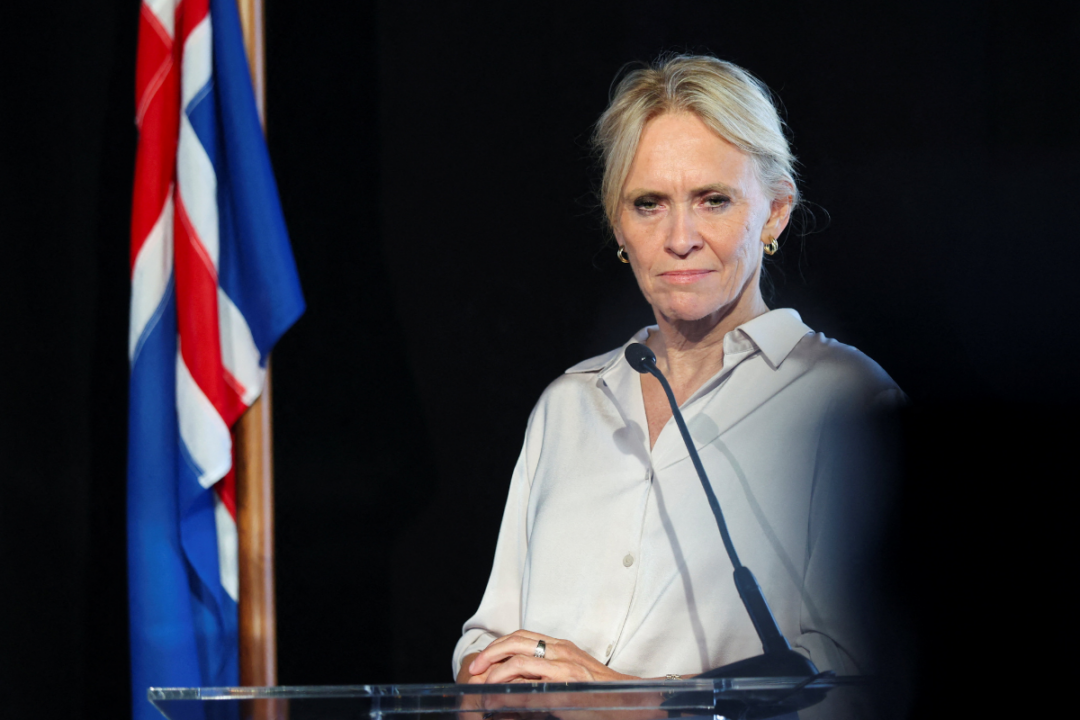
Iceland Focuses on Security Partnerships After Voters Reject Opening EU Membership Talks
Icelandic Minister for Foreign Affairs Thorgerdur Katrin Gunnarsdottir attends a press conference...



Italy, Spain Extend Tit-for-Tat Border Curbs After Ceuta Illegal Immigrant Crisis
Immigrants gather on a hill as they attempt crossing from the border...
