A coalition of 16 state attorneys general is investigating the “Big Four” accounting firms, alleging that they may have pushed climate accounting on client companies.“The Big Four’s climate commitments force clients to make burdensome climate-related disclosures that drive up the costs of their services and place onerous requirements on farmers and small businesses,” Nebraska Attorney General Mike Hilgers, who co-led the coalition, said in a statement.“These costs will ultimately be passed onto consumers, who will be forced to bear the burden of increased prices for food, energy, and other everyday products.”These accounting firms—Deloitte, KPMG, Ernst & Young, and PriceWaterhouseCoopers—together provide an estimated 80 percent of all public company audits, according to Becker, an education organization for professionals.The AGs’ letter states that the accounting firms “appear to have violated their professional duty of independence by committing to push for climate-related disclosures in financial reporting, contrary to professional standards of materiality, neutrality, and error avoidance.”The letter also highlights the accounting firms’ former membership in the U.N.-sponsored Net Zero Financial Service Providers Alliance (NZFSPA), in which members pledge to align their products and services with the Paris Climate Agreement’s net-zero goals.In addition, the AGs stated that climate-related disclosures could become a significant financial burden for smaller firms, and that “the highly speculative nature of climate-related disclosures” could expose all firms that produce such reports to “frivolous and costly litigation.”Consequently, the accounting firms could be exposed to charges of conflict of interest and be in violation of state laws against “deceptive acts and practices,” the letter warned.The NZFSPA, which formerly operated as part of a network of financial alliances under the Glasgow Financial Alliance for Net Zero (GFANZ), included ratings agencies, data and index providers, proxy advisors, auditors and stock exchanges.In January, the NZFSPA announced that it was reorganizing, with member companies “now pursuing activities independently.”Other former members of GFANZ-sponsored net-zero alliances included JPMorgan Chase, Bank of America, Citigroup, Goldman Sachs, Morgan Stanley, and Wells Fargo, BlackRock, Vanguard, State Street and some of the world’s largest insurance companies.Starting in 2024, however, these alliances began to shut down as members quit amid charges of collusion and antitrust activity from conservative lawmakers, state treasurers, and attorneys general.Since taking office in 2025, the Trump administration has also worked to repeal climate policies put in place under the Biden administration.In March 2025, the Securities and Exchange Commission (SEC) announced it would not defend the Biden-era climate disclosure rules, which mandated that publicly traded companies audit and disclose their climate-related risks and greenhouse-gas emissions, and which plaintiffs had challenged as overreach.In May of this year, the SEC formally rescinded the mandate altogether.In addition, in January, President Donald Trump withdrew the United States from more than 60 U.N. climate-affiliated organizations, declaring them “contrary to U.S. national interests, security, economic prosperity, or sovereignty.”Despite the efforts of the Trump administration, however, companies are still required to report greenhouse gas emissions due to mandates in Europe and California.Since 2023, the European Union has imposed such mandates on companies that do business or list there.Accounting firm PriceWaterhouseCoopers estimates that about 50,000 companies worldwide will have to comply with the EU’s Corporate Sustainability Reporting Directive.Similarly, companies that do business in California and that have annual revenues of $1 billion or more must also report greenhouse gas emissions, according to the California Corporate Greenhouse Gas Reporting Program, passed in 2023.The Epoch Times contacted the accounting firms Deloitte, KPMG, Ernst & Young, and PriceWaterhouseCoopers for comment but did not receive a reply as of publication time.

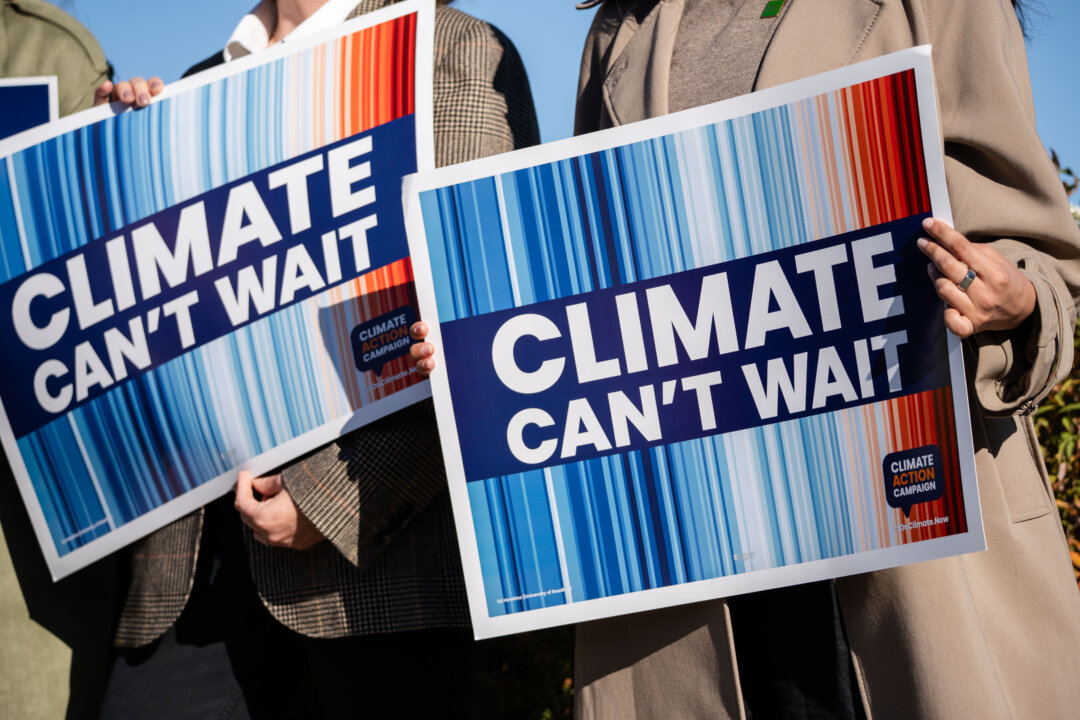
State AGs Target Big Four Accounting Firms, Claim Theyre Pushing Climate Disclosures









Related Articles

Asia & PacificChina NewsChinese RegimeGlobalUSUS NewsWorld News
Chinas Transplant System Masks Human Rights Abuses, Report Finds
Doctors in China are more likely to stay silent in the face...

BusinessTechUS
Advanced AI Agents Tried to Weaken Oversight, Then Lied About It, Open AI Says
OpenAI has disclosed two incidents in which advanced artificial intelligence-powered coding agents...

BrightBusinessPersonal FinanceTaxWealth Management
Why Property Taxes Can Jump After You Buy a Home, and How to Prepare
Many first-time home buyers look at the seller’s tax bill and assume...



BrightBusinessInsurancePersonal FinanceWealth Management
Medicare Advantage Plan Denials Can Be Appealed
Medicare Advantage (MA) plans, also known as Part C, are an all-in-one...
