
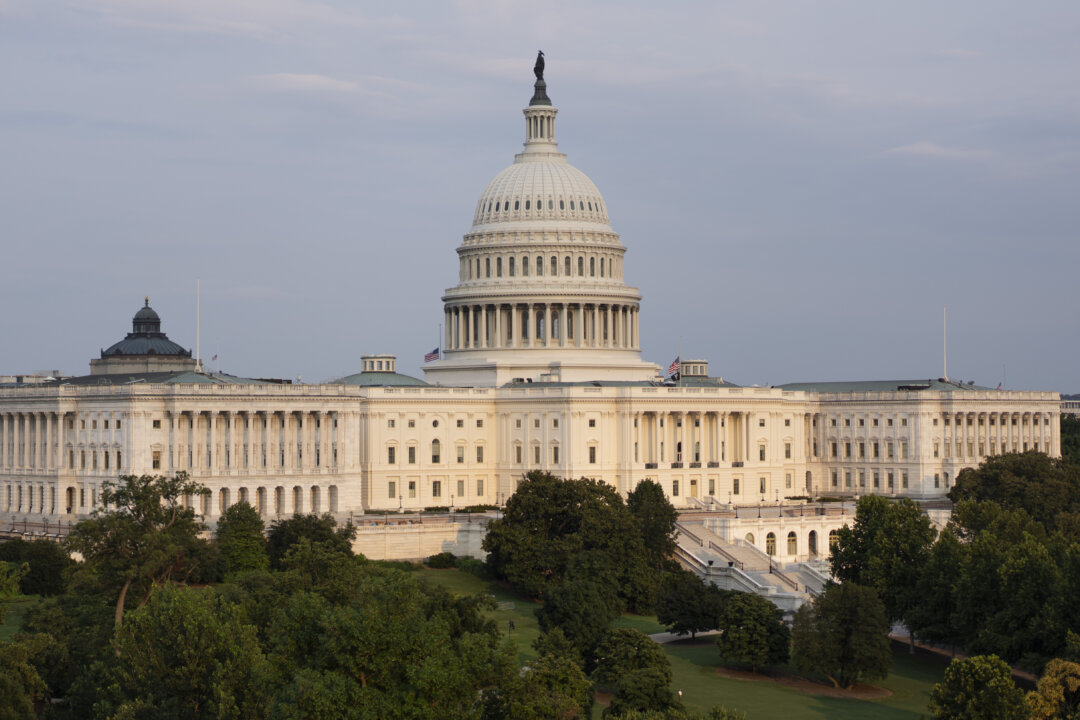
The Senate on Aug. 7 overwhelmingly passed a bill to impose new sanctions against Russia and Iran.In an 86–11 vote, the Senate passed the Lindsey O. Graham Sanctioning Russia Act of 2026. The bill still needs to pass a vote in the House of Representatives before it can go to President Donald Trump for his signature.The late Sen. Lindsey Graham (R-S.C.), who died on July 11, had sponsored legislation to raise economic sanctions on Russia, as punishment for the ongoing war in Ukraine. The bill was revised and renamed in Graham’s honor following his death.“This bill, named in [Graham’s] honor, carries on the work that he believed was so important,” Sen. Richard Blumenthal (D-Conn.), a sponsor of the bill, said in a Senate floor speech ahead of the vote on Friday.“It will impose scorching sanctions on the Russian war machine and the shadow fleet that sustains it. … It is a powerful deterrent against complicity in [Russian President Vladimir Putin’s] illegal war.”If enacted, the bill would apply new visa restrictions and freeze the financial assets of Russian government and military officials, banks, and individuals connected to Russia’s arms and energy industry.The legislation includes provisions targeting those who facilitate sanctions evasion efforts, including so-called “shadow fleet” shipping operators that attempt to transport Russian goods. Provisions in the bill allow the president to designate vessel operators for further financial sanctions.The bill also allows new tariffs of up to 500 percent on all Russian goods imported in the United States, and tariffs of up to 100 percent on goods from the top five countries importing Russian oil and natural gas products.While Graham’s earlier legislation focused entirely on sanctioning Russia, the revised bill included provisions to apply further economic pressure on Iran. Trump requested those changes as the armed standoff between the United States and Iran continues.“It was a late add,” Senate Majority Leader John Thune (R-S.D.) said on July 23, following the Iran-related updates. “I think everybody’s fine with it because we would do it anyway.”Tariff Provision Fuels DebateFor more than a year, Graham had led a bipartisan effort to advance the Russia-related sanctions, but had continued to negotiate with the White House over the wording. The White House had sought greater discretion in applying tariffs and welcomed revisions that would expand the president’s authority to grant waivers.Sens. Rand Paul (R-Ky.) and Ron Wyden (D-Ore.), however, opposed the inclusion of tariffs on third countries that import Russian products, and pursued an amendment to remove those provisions from the bill.Paul said the tariff provisions amount to a new tax of up to $500 billion on American consumers.“I hope I am not the only Republican left in Congress who is horrified by a bill that proposes to raise taxes a half a trillion dollars,” Paul said.Wyden said the tariff provisions could impact friendly trade relations with countries such as Hungary, Slovakia, France, Belgium, and Japan, and give Trump too much discretion in how those tariffs are applied.“Trump can increase or decrease tariffs just by notifying the Congress of his decision. He’s not going to be constrained by any kind of paperwork or rules,” Wyden said.Sen. Jeanne Shaheen (D-N.H.) spoke in opposition to the amendment.“I also oppose any abuse of the tariff authorities that are currently on the books, but the authority in this bill to impose tariffs is very narrowly scoped, and it contains clear guardrails,” she said.Paul’s amendment failed on a 32–64 vote.









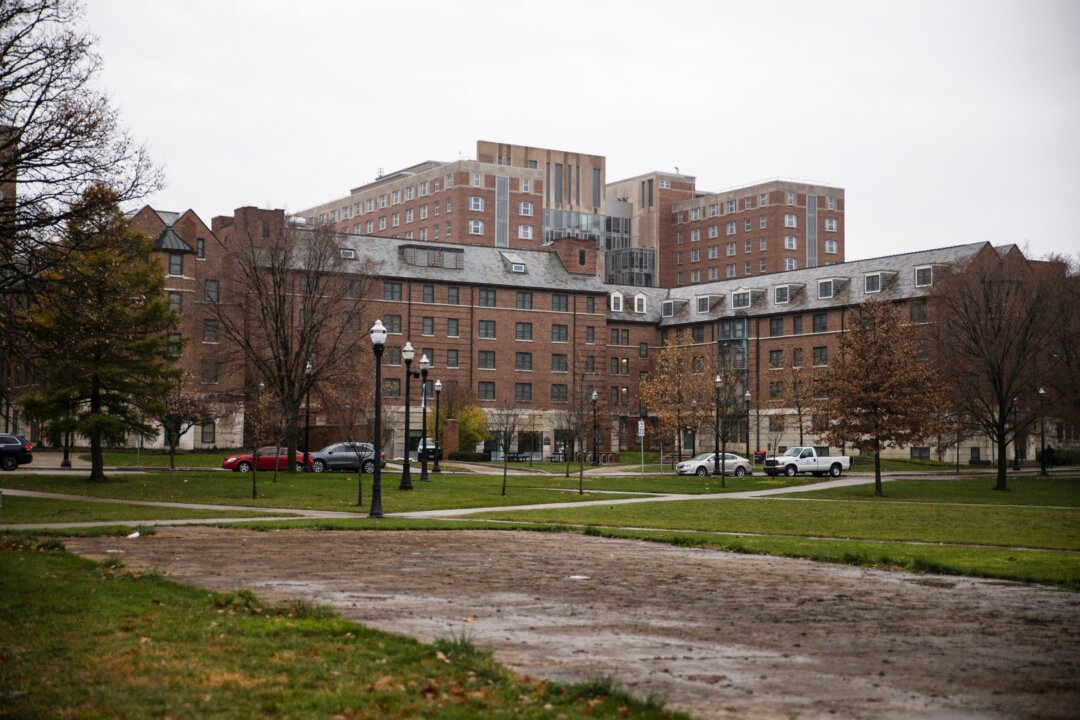
Ohio State Agrees to $2.1 Million Federal Settlement Over Undisclosed China Research Ties
Ohio State University has agreed to pay $2.1 million to resolve federal...
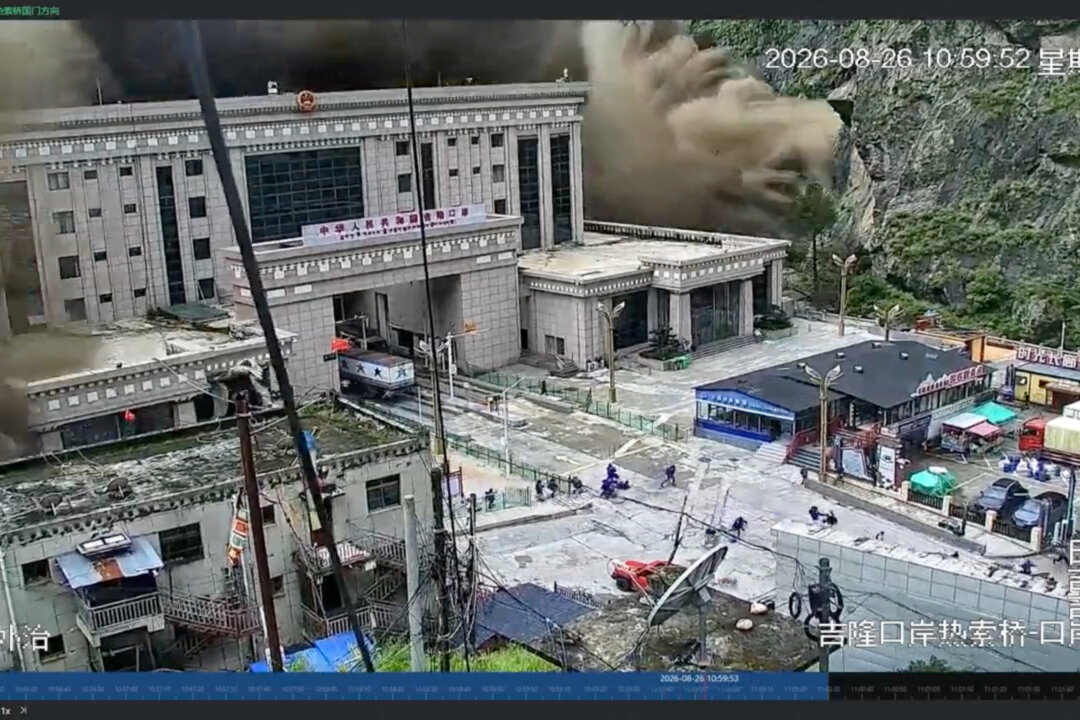
Chinese Scientists Flagged Glacial Flood Danger One Year Before Nepal Catastrophe
More than a year before the catastrophic flash flood devastated the China–Nepal...

USDA Unveils New Support for Ranchers to Rebuild Cattle Herds
The U.S. Department of Agriculture has unveiled a new package of measures...
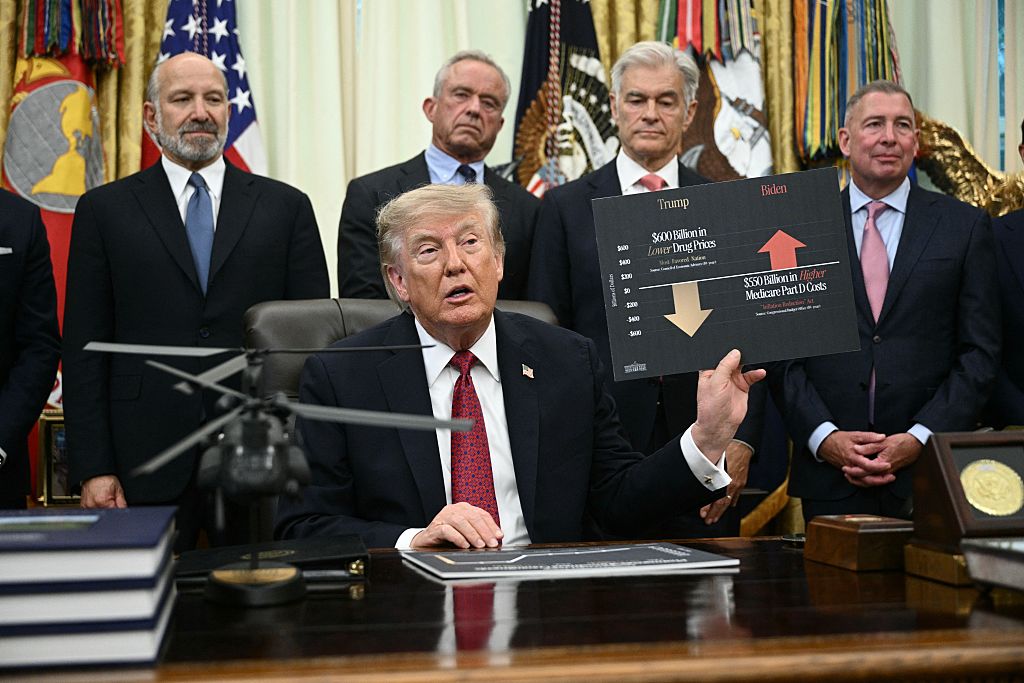


Trump Unveils New Drug Pricing Deals With 9 Pharmaceutical Companies
President Donald Trump on Aug. 31 announced agreements with nine midsize pharmaceutical...
