The Small Business Administration (SBA) has suspended 7,800 Wisconsin borrowers linked to $375 million in potentially fraudulent pandemic-era loan activity.The loans were taken under the Paycheck Protection Program (PPP) and COVID Economic Injury Disaster Loan (EIDL) programs. PPP was a COVID-19-era loan initiative that sought to help businesses retain employees during the crisis. EIDL offered loans and advances to businesses to help them recover from the negative impacts of the pandemic lockdowns. The action against Wisconsin borrowers is part of the SBA’s investigation into states regarding the abuse of such pandemic-era programs, the agency said in a July 8 statement.So far, the SBA has identified and suspended more than 150,000 borrowers across five states, including Wisconsin, linked to over $10 billion in suspected EIDL and PPP fraud, according to the agency. The largest among these involved the suspension of 112,000 California borrowers in connection with over $8.6 billion in potential fraud.In Ohio, the SBA suspended 27,000 borrowers tied to $1.1 billion in suspected fraud. Around 6,900 Minnesota borrowers were suspended on suspicion of $400 million in potential fraud. Similar action was taken against 1,500 borrowers in Maine linked to $93 million in loans.Suspended borrowers are banned from receiving future small business or disaster loans. They also won’t be eligible for other SBA programs, such as federal contracting under the 8(a) Business Development Program. SBA said the Wisconsin action represents the latest victory for the White House Task Force to Eliminate Fraud as it tries to root out pandemic fraud and recover taxpayer funds.The task force, established following a March 16 executive order from President Donald Trump, seeks to recover billions of dollars stolen from American taxpayers. Officials estimate that fraudsters steal up to $300 billion every year from government programs.In the order, Trump directed the task force to create a comprehensive national strategy to stop fraud, abuse, and waste in federal benefits programs. It asked the task force to disrupt and dismantle fraud networks and their facilitators.The SBA said that the Trump administration is seeking to tackle the roughly $200 billion in estimated pandemic-era fraud that was left unaddressed by the previous administration.“In coordination with the White House Task Force to Eliminate Fraud under the leadership of Vice President JD Vance, the SBA is conducting a state-by-state review to expose every fraudster who cheated small businesses and taxpayers during the pandemic,” SBA Administrator Kelly Loeffler said in a statement.“We are actively working with law enforcement and Treasury to deliver accountability and recoup stolen funds. We will continue to use every available tool to protect taxpayer dollars and ensure SBA programs serve the legitimate American small businesses they were created to support.”Business Credit ConditionsSBA’s crackdown on small business loans comes amid tightening lending conditions.In a March 31 speech at an event held by the Consumer Bankers Association in California, Michelle W. Bowman, a member of the Federal Reserve’s Board of Governors, said that despite support from the banking industry, credit conditions for small businesses “remain tight.”“This means banks are applying a more stringent approach to credit approval and lending conditions,” Bowman said. The largest of U.S. banks provided around 18 percent of business loans worth $1 million or less as of the second quarter of 2025. These banks also accounted for 33 percent of business loans below $100,000.“Given the vital role of small businesses in the U.S. economy, ensuring the availability of credit to support them is critical for a healthy labor market and for economic growth.”Some of the recent actions taken by SBA to assist businesses include the July 7 announcement where small businesses can get up to $10 million in combined financing from the 7(a) and 504 loan programs, which is double the previous threshold.In May, SBA announced a new $50 million grant opportunity to support the Made in America manufacturing initiative. The funds were offered to organizations that will provide technical assistance and training to small manufacturers.“Through this targeted initiative, we are equipping them with the resources and workforce support they need to grow, reshore critical supply chains, and help secure America’s position as a global manufacturing powerhouse for generations to come,” Loeffler said in a statement at the time.

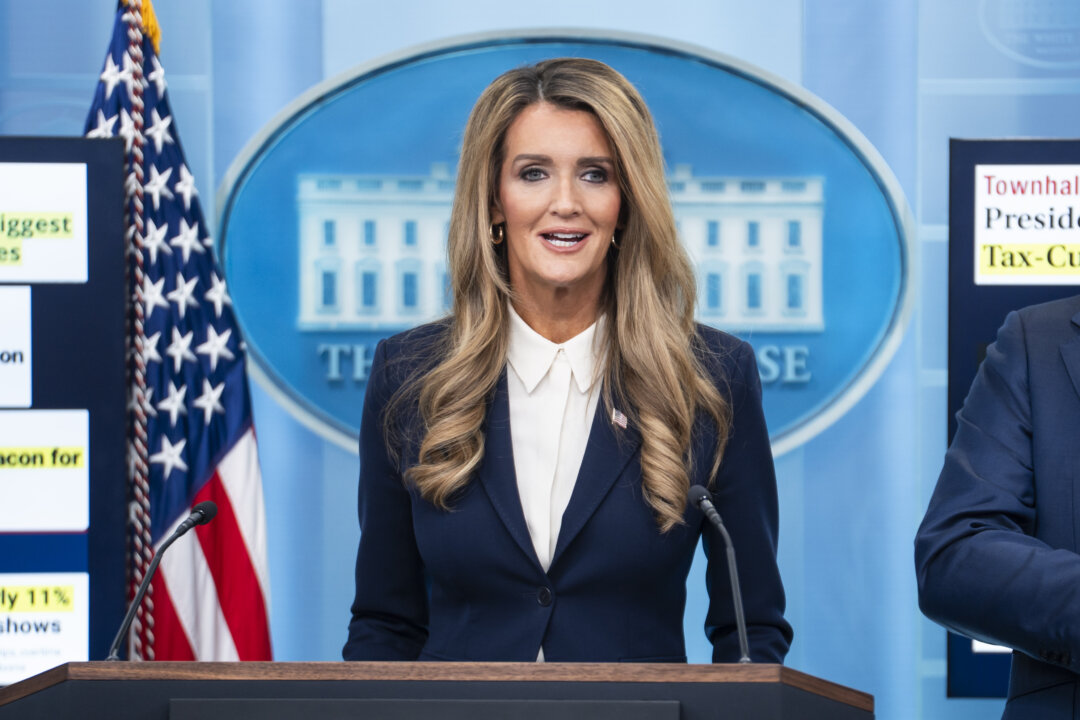
SBA Suspends 7,800 Wisconsin Borrowers Linked to $375 Million in Suspected Fraudulent Loans








Related Articles
BusinessCompaniesEnergy
EQT to Buy Range Resources, Creating Largest US Natural Gas Producer
EQT Corp. has agreed to acquire rival Appalachian shale driller Range Resources...
BrightBusinessInvestingPersonal FinanceStocks
Wall Street Is Very NervousShould You Worry? Can You Repair Your Losses?
On Oct. 23, the Dow Jones Industrial Average fell 652.82 points, or...
BusinessMarkets
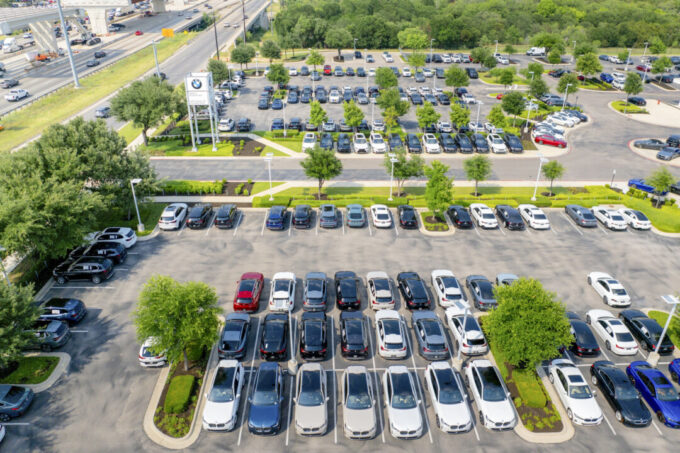
Nearly 3 in 10 New-Car Trade-Ins Are Underwater, Edmunds Finds
Almost three in 10 vehicles traded toward a new car are worth...


Asia & PacificChina NewsEuropeInternational RelationsNational SecurityPolicies & ImpactsUSUS NewsUS-China RelationsWorld News
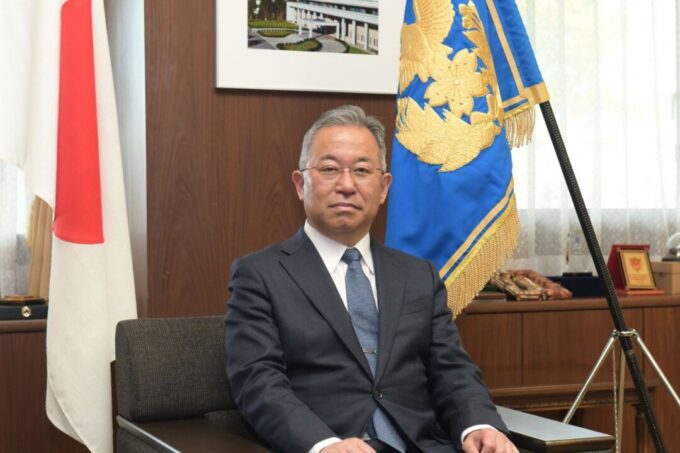
Japan Defense Academy Chief Calls for 3 Red Lines in Competition With China
Japan’s former top uniformed military officer has called for establishing three “red...
