Almost three in 10 vehicles traded toward a new car are worth less than the amount still owed on their loans, a new report suggests.In the third quarter of 2026, about 29.1 percent of trade-ins with outstanding loans carried negative equity, according to an Oct. 21 analysis by car-shopping platform Edmunds. That was down from 30.9 percent at the beginning of the year but above 28.1 percent in the same quarter of 2025.While the share of so-called underwater trade-ins has eased slightly this year, the amount borrowers owe has continued to climb.Drivers trading in underwater vehicles owed an average of $7,107 more than their cars were worth in the third quarter, the highest third-quarter figure in at least a decade, according to Edmunds.That was more than $1,800 above typical levels before the COVID-19 pandemic. Between 2016 and 2019, the average deficit generally ranged from about $5,000 to $5,500.The financial burden grows when drivers roll that unpaid balance into a new car loan.Consumers who did so in the third quarter financed an average of $57,235, up more than 44 percent from $39,732 in the same period in 2019, Edmunds said. Their average monthly payment climbed to $952 from $646 over that period.At an average interest rate of 8.1 percent, those borrowers are expected to pay about $16,610 in interest over the life of their loans, nearly 83 percent more than in the third quarter of 2019.Compared with the average new-car buyer, consumers rolling negative equity into a new loan financed about $12,600 more and paid an additional $165 per month, Edmunds said. More than 91 percent financed their purchases for 72 months or longer.Longer loans can reduce monthly payments, but they also slow the rate at which borrowers build equity and can leave them underwater for longer.Pandemic-Era Purchases Come Back to MarketEdmunds said the current trend partly reflects vehicles bought during the pandemic-era supply shortage, when many buyers paid unusually high prices.“During the pandemic, vehicle shortages and surging used-car values created an unusual window in which many owners found themselves with more equity than expected, even relatively early in their loans,” Jessica Caldwell, head of insights at Edmunds, wrote in the analysis.By early 2022, only 14.7 percent of financed trade-ins were underwater, with the average deficit below $4,300.However, as new-vehicle production recovered and used-car prices retreated from their peaks, some buyers who financed vehicles at elevated prices were left owing more than their cars were worth.The problem is expected to continue into the fourth quarter.A separate report by auto market research firm JD Power forecast that 29.6 percent of trade-ins in October will carry negative equity, up 0.6 percentage points from a year earlier.Lower trade-in equity is contributing to higher monthly payments even as average new-vehicle prices remain roughly flat, JD Power said.The average new-vehicle transaction price is expected to be $46,329 in October, down 0.1 percent from a year earlier. But the average monthly finance payment is projected to reach an October record of $823 as the average loan rate rises to 6.81 percent.Consumers also continue to stretch out their loans to keep monthly payments manageable. JD Power expects 13.3 percent of new-vehicle loans in October to run for 84 months or longer, up slightly from a year ago.For buyers who need to replace a car before paying off their current loan, higher borrowing costs and longer loan terms can make it harder to escape negative equity without putting additional cash into the transaction, Edmunds warned.“Keeping a vehicle longer or paying down the existing loan before trading can help reduce negative equity when circumstances allow,” Caldwell wrote. “Those who need to replace their vehicle sooner should focus on minimizing additional debt and evaluating the total cost of financing rather than the monthly payment alone.”

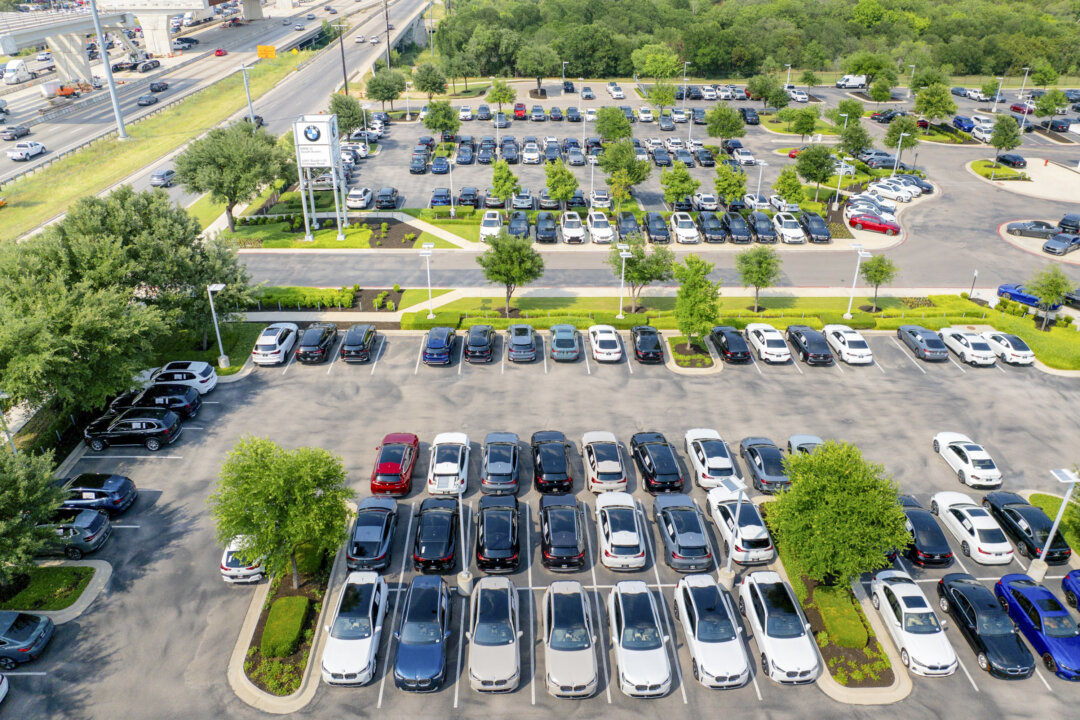
Nearly 3 in 10 New-Car Trade-Ins Are Underwater, Edmunds Finds









Related Articles
BusinessCompaniesEnergy
EQT to Buy Range Resources, Creating Largest US Natural Gas Producer
EQT Corp. has agreed to acquire rival Appalachian shale driller Range Resources...
BrightBusinessInvestingPersonal FinanceStocks
Wall Street Is Very NervousShould You Worry? Can You Repair Your Losses?
On Oct. 23, the Dow Jones Industrial Average fell 652.82 points, or...

BusinessTechUS
Advanced AI Agents Tried to Weaken Oversight, Then Lied About It, Open AI Says
OpenAI has disclosed two incidents in which advanced artificial intelligence-powered coding agents...



BrightBusinessPersonal FinanceTaxWealth Management
Why Property Taxes Can Jump After You Buy a Home, and How to Prepare
Many first-time home buyers look at the seller’s tax bill and assume...
