
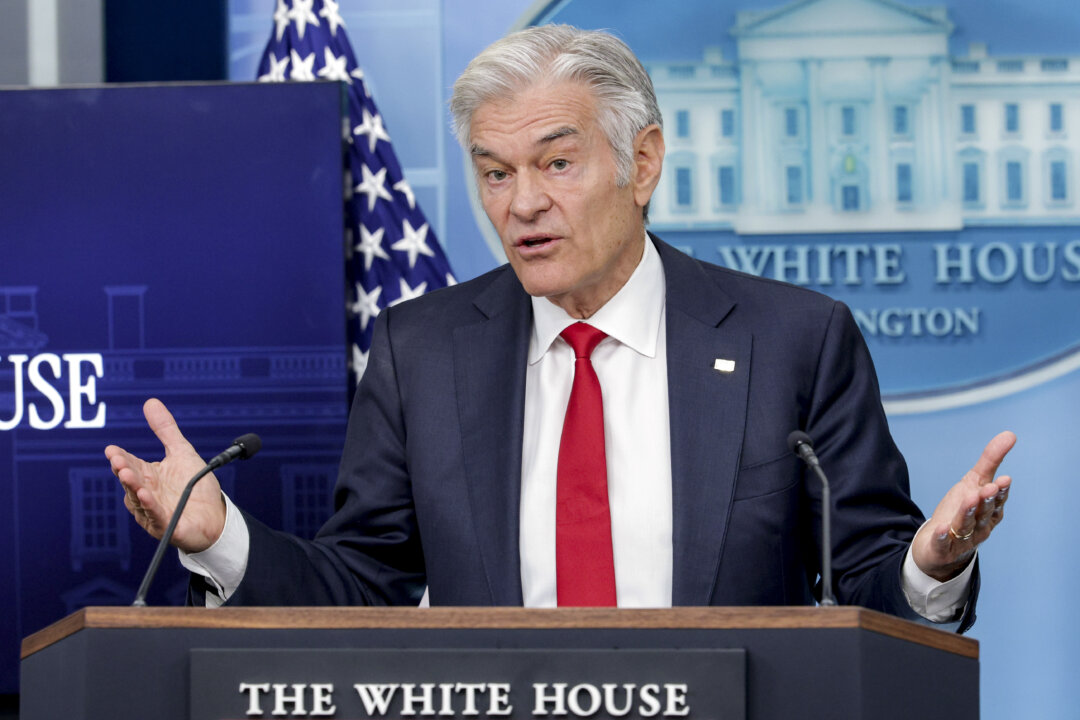
Premiums will likely increase for Medicare Part D in 2027, but the bump will be modest according to the program’s administrator.Medicare Part D is the optional prescription drug plan for Medicare beneficiaries, which has its own premium, separate from Medicare Part B.The increase is expected after Medicare announced on July 28 that it is ending a temporary program that paid subsidies to insurance companies to keep Part D premiums lower.The experimental program was scheduled to end in December 2027.Dr. Mehmet Oz, administrator of the Centers for Medicare and Medicaid Services, called the plan a giveaway to insurance companies, which cost taxpayers $9.8 billion over two years.“We are stabilizing the market so this bailout is no longer needed,” Oz said on July 28 via social media.Others believe the premium increase could be substantial.Here’s what to know.Subsidies EndingMany Part D beneficiaries may be unaware that they benefited from premium subsidies over the last two years because the money was paid directly to insurance companies.About 25 million Medicare beneficiaries have prescription drug coverage through Part D, according to health research group KFF, and more than 34 million others have drug coverage through Medicare Advantage, which was not included in the subsidy program.The official name of the program, which began in 2025, is the Part D Premium Stabilization Demonstration. Demonstration is the term Medicare uses for a temporary pricing or policy experiment.Premiums were set to jump 42 percent in 2025, according to KFF.That increase was due to market instability caused by the significant changes in Medicare Part D introduced by the Inflation Reduction Act, according to the Government Accountability Office.Those changes include consumer-friendly provisions such as capping out-of-pocket drug spending at $2,000, which began in 2024, and the $35 cap on insulin, which started a year earlier.“These changes shifted costs from beneficiaries to the private insurance companies providing the benefit,” the Government Accountability Office report said.To prevent that financial shock from hitting beneficiaries, Medicare paid premium subsidies to insurance companies and took on more financial risk.No Longer NeededMedicare is ending the temporary subsidies a year early, saying the marketplace is now stable.The idea had been to give insurers time to adjust to the Inflation Reduction Act, and the Centers for Medicare and Medicaid Services says that’s been done.Premiums didn’t go up in 2025. In fact, they went down $3 per month on average, according to MedPAC.Medicare Part D enrollment also grew, rising about 10 percent over the past two years, KFF found. Enrollment had been falling until the $35 insulin cap and some other consumer-friendly changes kicked in in 2023.The tradeoff was that the subsidies cost taxpayers an additional $9.8 billion in prescription drug spending over two years, according to the Government Accountability Office.Some experts agree it’s time to end the subsidies.“Smoothing policy transitions can be justified when market participants face substantial uncertainty,” Benedic N. Ippolito, a senior fellow at American Enterprise Institute, wrote on July 29. “But insurers now have multiple years of experience with the new rules, lessening that uncertainty.”Oz said most Part D beneficiaries will see a rate increase below $10 per month.Others aren’t so sure.Juliette Cubanski, a health policy expert at KFF, said enrollees could face the largest rate increase in recent years without the subsidies.Cubanski noted that drug prices keep going up, and expensive drugs like GLP-1s are becoming more popular. All of that affects insurance rates.“These cost pressures are likely to continue in 2027 and beyond,” Cubanski wrote.The average Part D premium for this year is $36 per month.Medicare Part D premiums for 2027 have not been released. That announcement will come in mid- to late September, according to the Centers for Medicare and Medicaid Services.









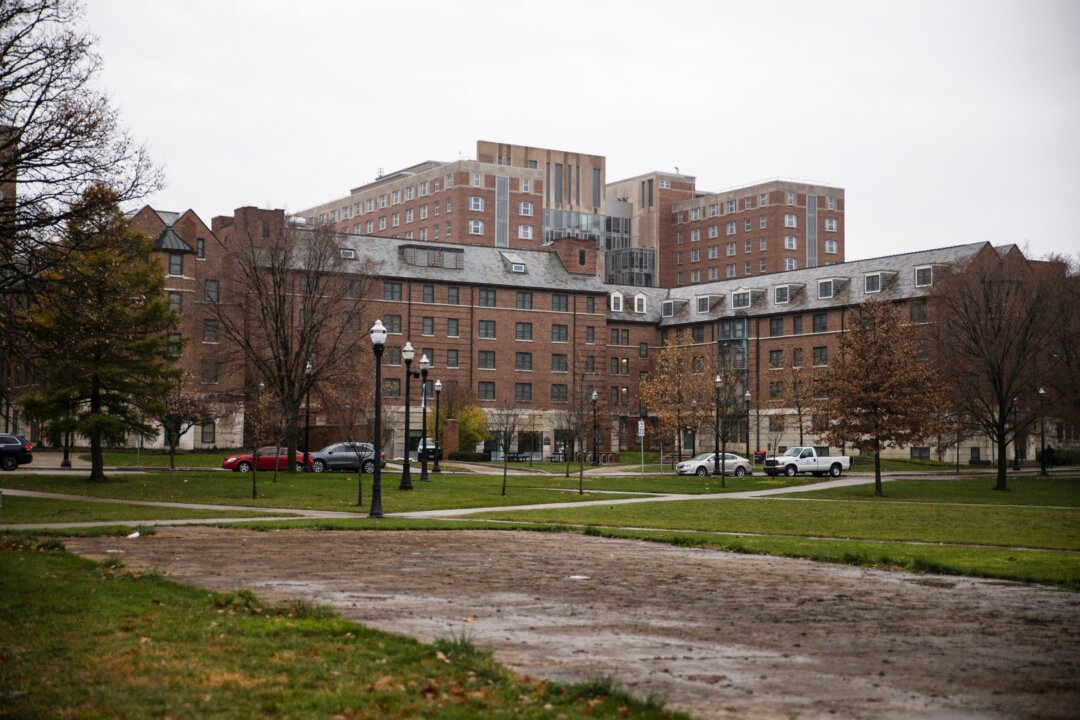
Ohio State Agrees to $2.1 Million Federal Settlement Over Undisclosed China Research Ties
Ohio State University has agreed to pay $2.1 million to resolve federal...
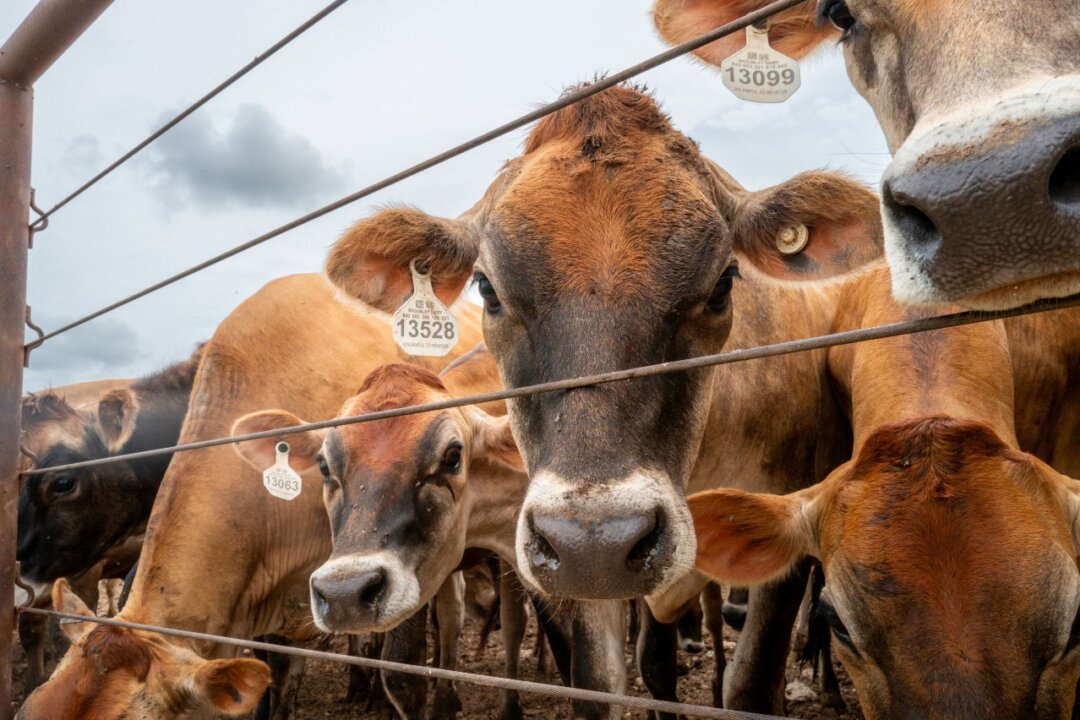
USDA Unveils New Support for Ranchers to Rebuild Cattle Herds
The U.S. Department of Agriculture has unveiled a new package of measures...
How Major US Stock Indexes Fared Aug. 31
Oil prices rose and U.S. stocks fell after American forces struck Iranian...
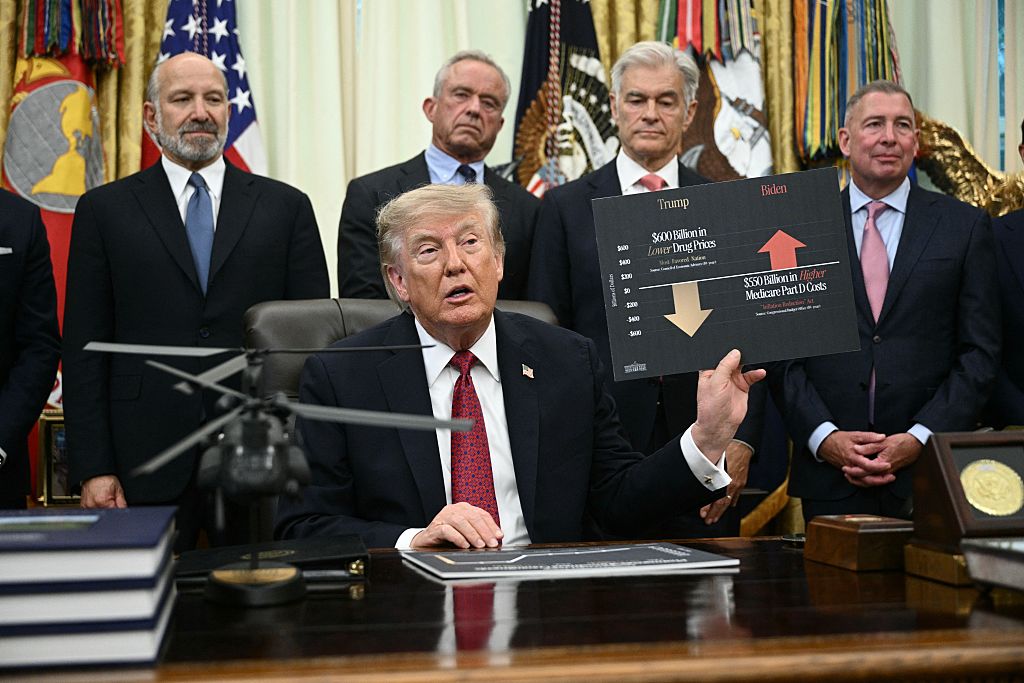


Trump Unveils New Drug Pricing Deals With 9 Pharmaceutical Companies
President Donald Trump on Aug. 31 announced agreements with nine midsize pharmaceutical...
