

The £15.4 billion surplus is more than the figure seen a year ago and is the largest since monthly records began in 1993.
Britain notched up a record government borrowing surplus in January, according to official figures, but higher spending figures piled more pressure on the chancellor ahead of the spring statement.
The Office for National Statistics (ONS) said there was a public sector net borrowing surplus of £15.4 billion last month.
It is more than the surplus seen a year ago and is the largest since monthly records began in 1993.
The government typically sees a budget surplus—which takes place when tax revenue received is larger than government spending—in January thanks to self-assessment tax payments.
The figures come as Chancellor Rachel Reeves prepares to deliver the spring statement, a key government spending review similar to the Budget, in March.
Despite the larger surplus, the government had still borrowed £12.8 billion more than the Office for Budget Responsibility (OBR) forecast for the 10 months to January.
Related Stories

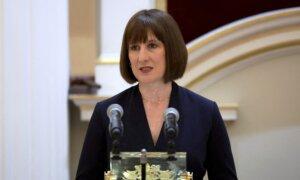
The higher spending could increase pressure on Reeves to either raise taxes further or cut public spending in the upcoming March fiscal statement.
The ONS said spending on public services, benefits, and debt interest all increased since January 2024.
The surplus was boosted by lower debt repayment costs for the Treasury, after the retail price index, a measure of inflation, showed a smaller-than-forecast rise.
ONS Deputy Director for Public Sector finances Jessica Barnaby said: “While the public finances are often in surplus in January, this year saw the biggest monthly surplus on record, with high January self-assessment receipts bolstering income.
“However, over the financial year to date as a whole, borrowing was still up on last year and was the fourth-highest on record for the year to date.”
Combined tax income from self-assessment and capital gains tax were about 10 percent more than last year, at £36.2 billion.
But government borrowing also rose to £118.2 billion, about £11.6 billion more than the same point last year and the fourth-highest on record for this point in the year.
Chief Secretary to the Treasury Darren Jones said the government is “committed to delivering economic stability and meeting our non-negotiable fiscal rules.”
Alex Kerr, UK economist at Capital Economics, said the figures “underline the difficult choices [Reeves] faces.”
“While there is increasing pressure on the government to commit to higher defence spending, the OBR is likely to conclude that the chancellor’s headroom against her fiscal rules has been wiped out and she will probably need to tighten fiscal policy as a result.”