
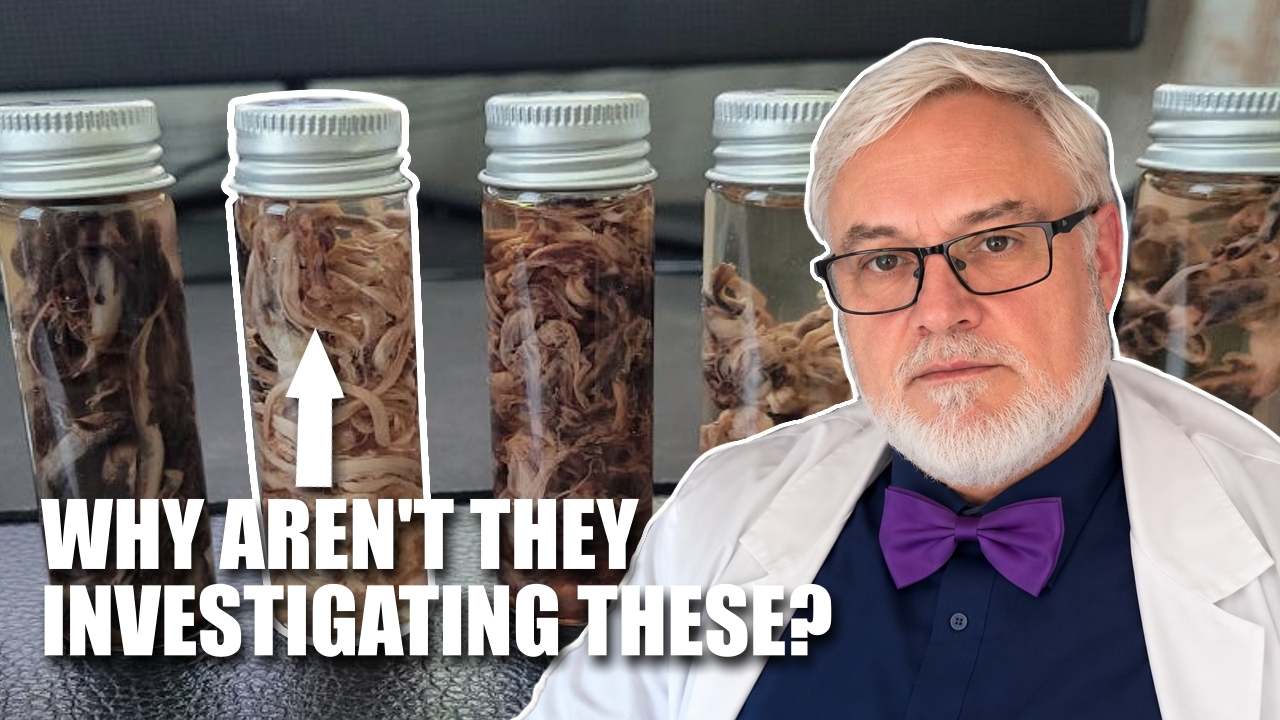
Part 1 of 4 — We recently featured the research trilogy by Dr. Bruce Rapley and Dr. Matt Shelton on anomalous intravascular casts — commonly referred to as “calamari clots.”In this first interview, Dr. Rapley joins me to discuss the origins of their work, the key proteomic and histological findings, and the significant institutional resistance they encountered. We also explore broader questions around scientific openness, medical ethics, and what may represent a previously undocumented pathological phenomenon following the COVID-19 injections.If our work resonates with you and you value independent medical investigation, informed consent, and health sovereignty, please consider supporting our ongoing work at DrTrozzi.news.Make a DonationDr. Bruce Rapley is an interdisciplinary applied biologist and systems scientist with expertise spanning human health, environmental science, biophysics, and complex biological systems.Trained in medical and applied microbiology, his early research explored the biological effects of electromagnetic fields and acoustic stress. He later specialized in psychoacoustics, occupational noise exposure, and infrasound. For the past six years, Dr. Rapley has focused on the morphology, histology, elemental chemistry, and proteomics of anomalous white intravascular casts (commonly known as “calamari clots”) observed in the post-COVID-19 era.He approaches scientific questions with careful observation, rigorous skepticism, and a systems-oriented perspective.Official WebsiteAnomalous intravascular casts (”calamari clots”) — unusual white, rubbery, elastic structures — have been observed by embalmers and surgeons worldwide since 2021, with characteristics distinct from typical blood clots.These casts show unique physical properties: extreme elasticity, structural cohesion, and low cellularity, appearing in both living patients and postmortem examinations.Proteomic analysis (blinded to avoid institutional bias) revealed over 500 human proteins, dominated by a small group of ~9 proteins with abnormal fibrinogen chain ratios and reduced fibrinolytic components (low plasminogen and tPA).No spike protein was detected in the casts, though it may act as a trigger for abnormal clotting based on known mechanisms.The research faced significant institutional resistance, including labs refusing analysis when COVID was mentioned and barriers to standard pathological investigation.Dr. Rapley argues these findings point to a novel pathological process potentially linked to the post-COVID injection era that deserves urgent, independent scientific investigation.Calamari Clots Part 1: Morphological and Histological AnalysisCalamari Clots Part 2: The Elemental Chemical PuzzleCalamari Clots Part 3: A Unique and Dangerous Protein SignatureGenetic Invasion: An Update with Dr David Speicher, PhD










Wins of the Week 140 with Ted Kuntz
Questions around health, free speech, and public accountability came into sharp focus...
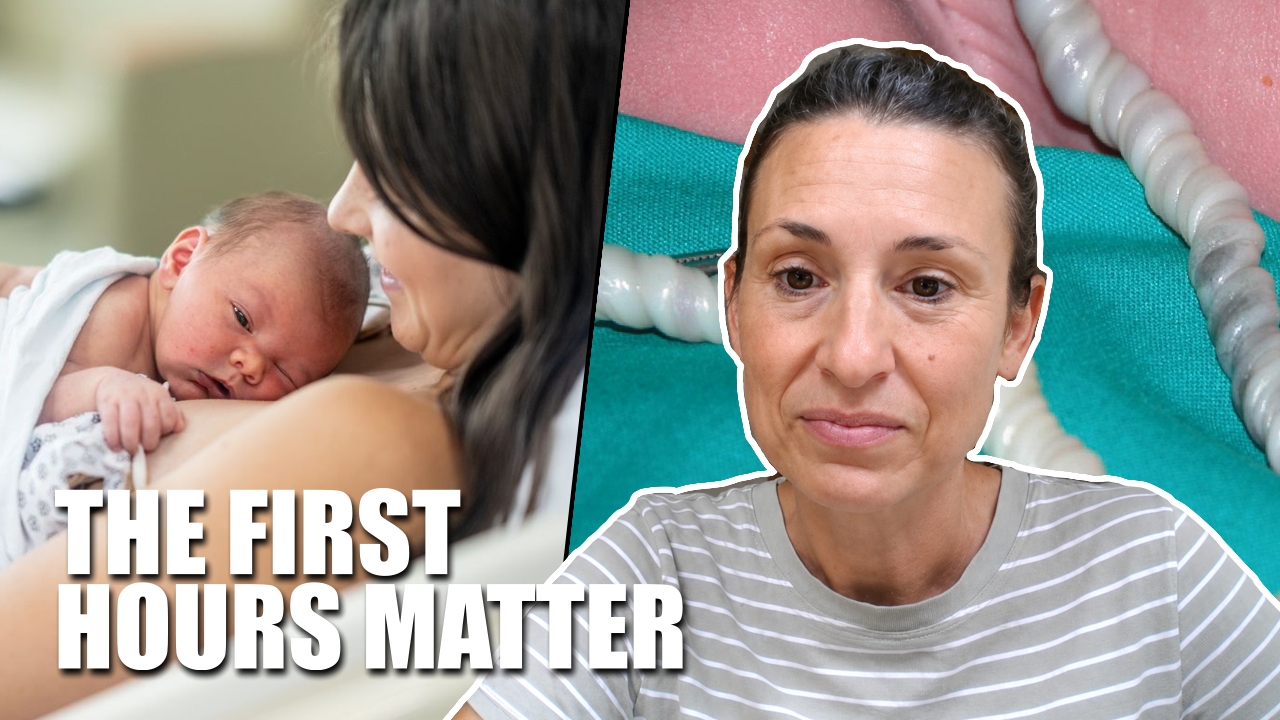
Understanding Routine Newborn Interventions – Kristen Nagle 3/3
Part 3 of 3 - In the final part of this interview,...
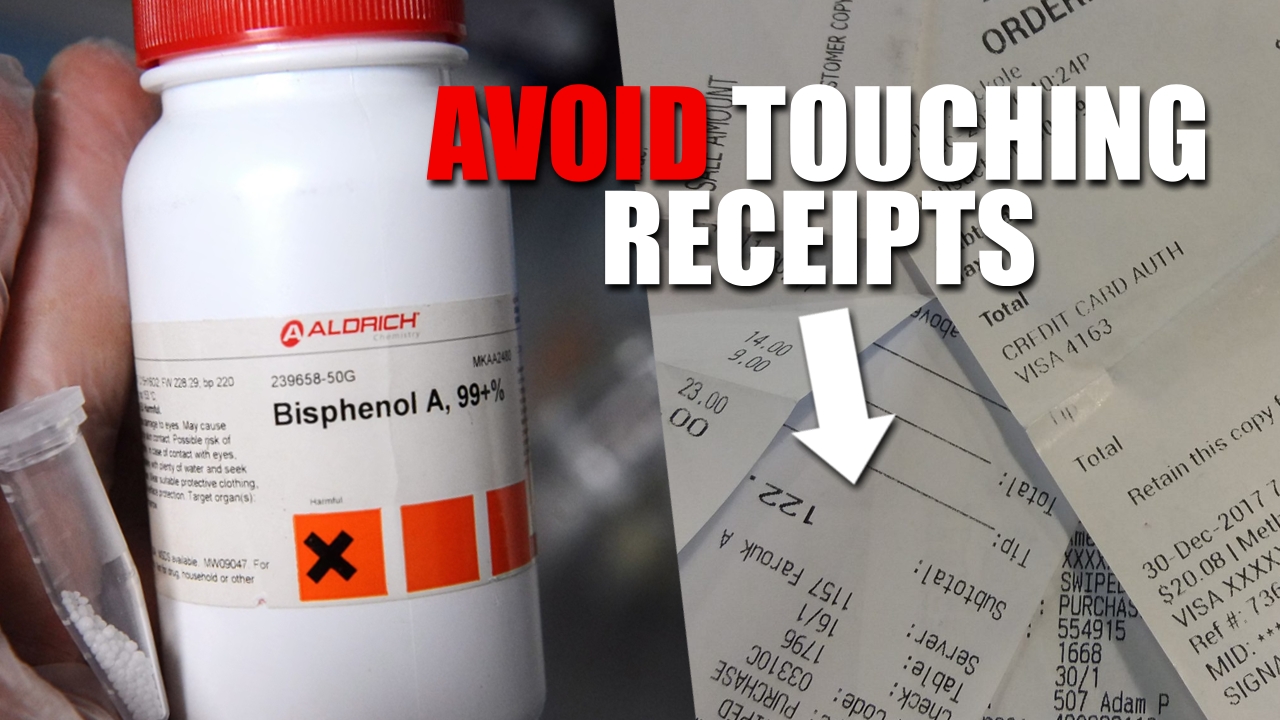
Are Thermal Paper Shopping Receipts Damaging Our Health?
Most of us think nothing of accepting a receipt at the checkout....



Wins of the Week 139 with Christof Plothe
Several important stories this week highlighted growing demands for transparency, legal accountability,...
