
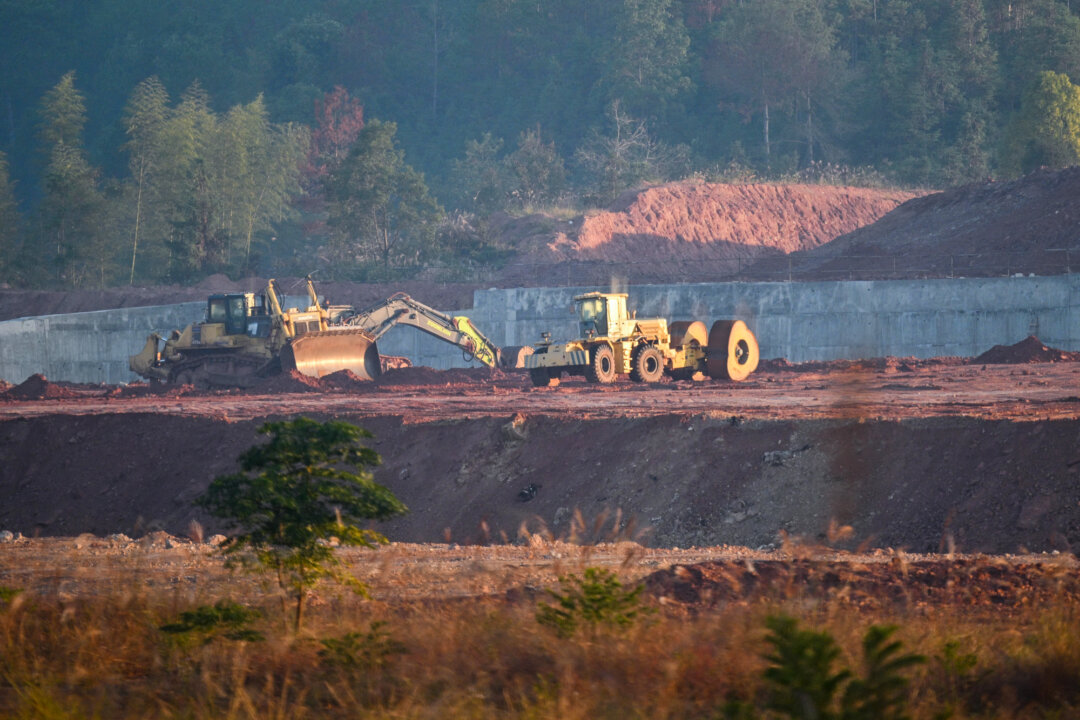
The Chinese regime’s Ministry of State Security issued a notice April 23 to tighten information control over the supply chain, especially in the sectors of rare earth elements, semiconductors, and drones.The Chinese Communist Party (CCP) has elevated industrial competition with other countries to the level of national security, subjecting corporate information to increasingly stringent controls, according to insiders who spoke with The Epoch Times.In the notice titled “We Must Not ‘Drop the Ball’ at Critical Junctures,” the ministry warned that infiltration by foreign intelligence agencies targeting China’s industrial and supply chains have become increasingly covert and systematic in recent years, posing a serious threat to China’s economic, technological, and data security. The ministry also disclosed details of three related cases.In one of the cases, a Chinese employee of a foreign non-ferrous metals company allegedly gave money to a deputy general manager of a Chinese rare earth company in exchange for information regarding the categories, quantities, and pricing of rare earth materials designated for state stockpiling, which is classified as “confidential-level” state secrets. The individuals involved have been investigated and dealt with in accordance with the law, according to the notice.Ji Nan, an insider in China’s non-ferrous metals sector who used a pseudonym out of fear of reprisal, told The Epoch Times that authorities have recently used “counter-espionage” propaganda to significantly expand the scope of classified information, aiming to send a warning domestically.“Rare earths and related minerals are not unique to China. However, because mining and refining are highly polluting processes, China has been the main country doing these operations,” he said. “While these technologies do not qualify as cutting-edge high-tech, in recent years they have been elevated to the level of state secrets, thereby raising their strategic importance by several levels.”Rare earth elements are critical materials in modern technology, primarily used for high-strength magnets, catalysts, electronics, and other products.The CCP has tightened rare earth export control in recent years, leveraging the key materials to pressure the United States and other countries in trade frictions and global competition.Ji said that many matters that previously fell within the scope of the market are now being redefined by Chinese authorities.Since China imposed export controls on rare earths, gallium, germanium, and tungsten to nations such as the United States and Japan, engineers and technicians in these sectors have been placed on restricted-exit lists, according to Ji.“Currently, mining and refining experts in key production regions, including Inner Mongolia, Jiangxi, Guizhou, and Guangxi, are barred from leaving the country,” he said. “The authorities have issued strict directives explicitly prohibiting the sharing of any work-related images or text on social media platforms, as well as forbidding any external discussion of operational details in these sectors.”Another case in the notice is about a former engineer at a Chinese semiconductor firm who allegedly violated confidentiality obligations following his resignation by “providing core production process parameters and design schematics to an overseas organization.”This could result in financial losses regarding the company’s R&D investments and negatively impact its position within the industrial supply chain, according to the notice.China cannot make advanced semiconductor chips and has relied heavily on imports, especially from the United States, Taiwan, and the Netherlands, which make advanced chip making equipment. Recognizing the Chinese regime’s civil-military dual-use of the semiconductors, which poses threats to global security, the United States has imposed chip bans on China.Chinese semiconductor engineer Yao Ping, who used a pseudonym out of fear of reprisal, told The Epoch Times that the gap between Chinese semiconductor technology and that of the West has persisted for decades—even now, there remains a lag of about 10 years.“Our materials science also falls short of that of Japan and Germany. Furthermore, our ‘core technologies’ are essentially Western in origin. To put it bluntly, they were acquired through theft by Chinese students studying abroad and hackers,” he said. “The authorities likely fear that these supposedly ‘core processes’—which are actually quite backward—might be exposed.”An employee inspect semiconductor chips at a factory in Binzhou, in eastern China’s Shandong Province, on Jan. 15, 2025. STR/AFP via Getty ImagesSecurity Overshadows TechnologyYao said that while China holds a leading position in certain technological sectors—such as drones, cameras, and lithium-ion battery manufacturing—it does not possess true technological superiority. “Ukraine’s drone technology has now surpassed that of China. Rather than fearing the leakage of secrets, the real concern is that the outside world might discover China’s technological backwardness and other shortcomings,” he said of the regime’s information control.Wang, a network engineer in China who gave only his last name out of fear of reprisal, told The Epoch Times the current reality in China is that “security” has taken center stage, while technology itself has receded into the background.“Travel restrictions and background checks imposed on personnel in critical roles have already left many of my peers feeling anxious,” he said. “In the past, our discussions revolved around performance and architecture; now, our primary considerations are compliance and risk mitigation. This all-encompassing regime of control effectively ties network security directly to individual accountability. For technical professionals, this constitutes not only a professional challenge but also a source of significant psychological pressure.”Wang Xin contributed to this report.








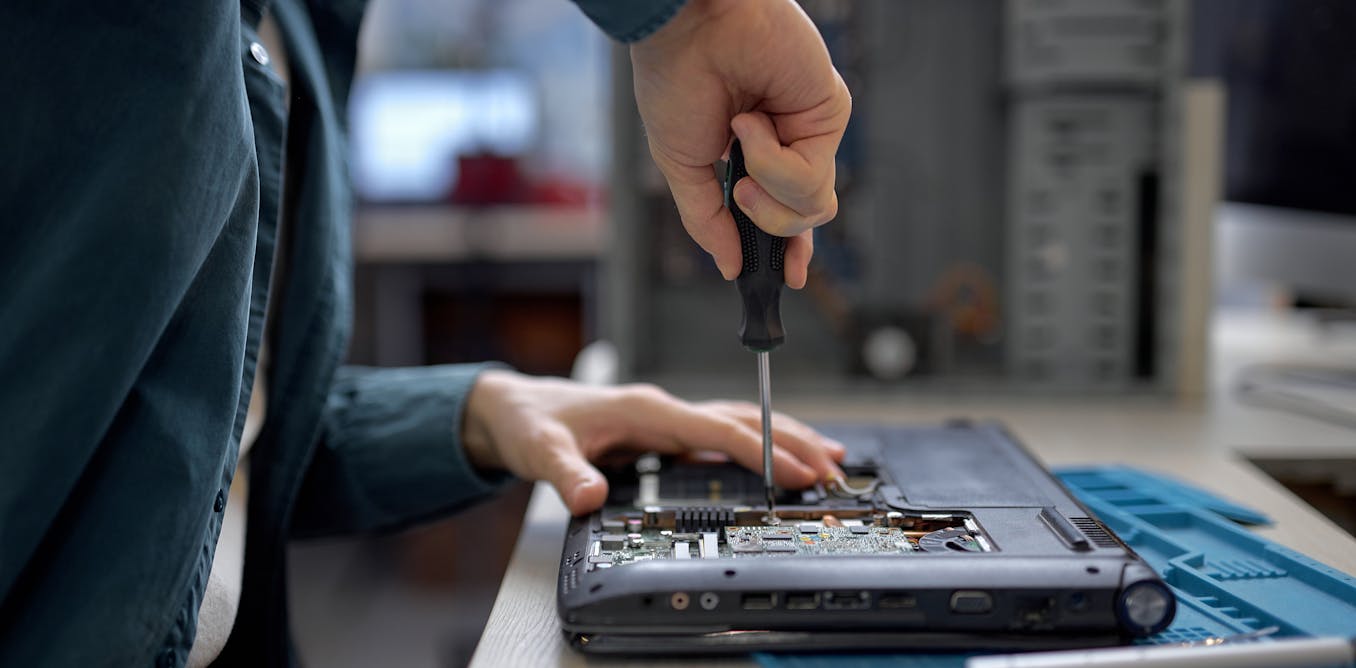
The EUs repair policies are changing the way tech is designed
In the late 1970s, concerned by resource use and scarcity, German industrial...

Ohio State Agrees to $2.1 Million Federal Settlement Over Undisclosed China Research Ties
Ohio State University has agreed to pay $2.1 million to resolve federal...
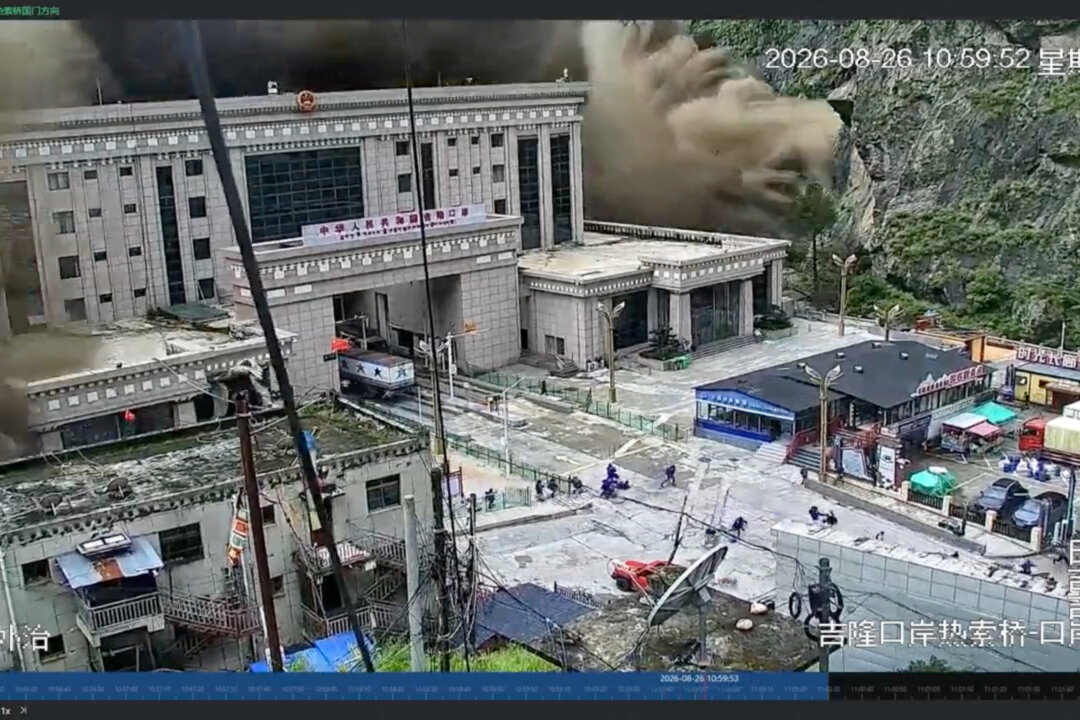
Chinese Scientists Flagged Glacial Flood Danger One Year Before Nepal Catastrophe
More than a year before the catastrophic flash flood devastated the China–Nepal...
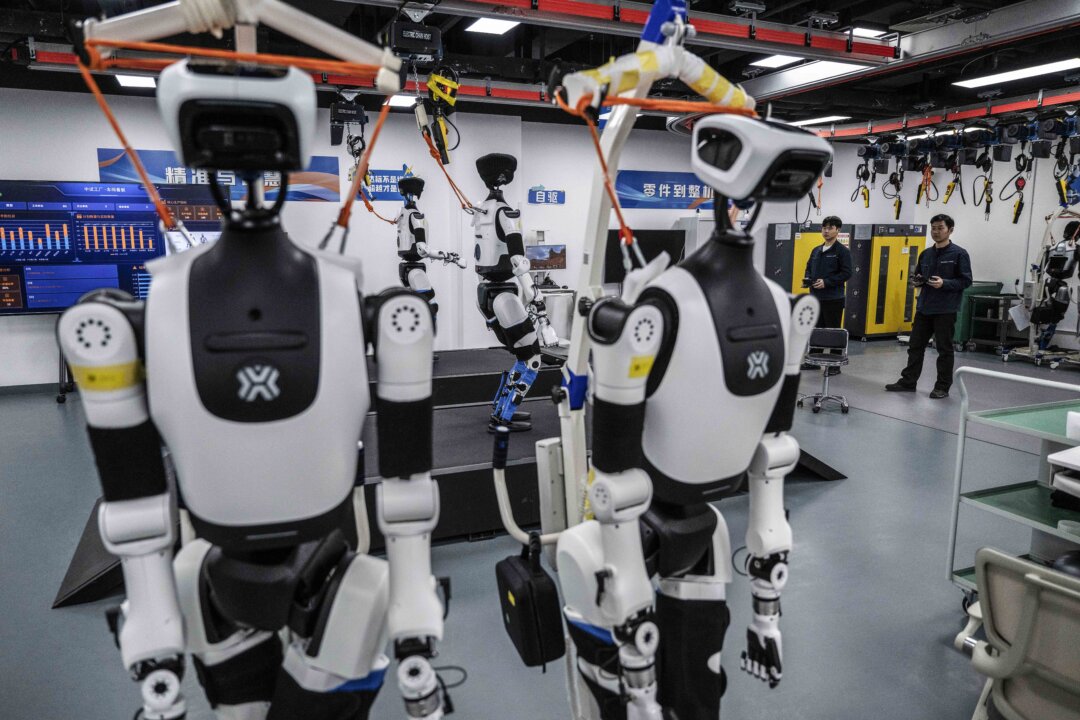


Chinas Humanoid Robot Companies Face Reality Check
China is showcasing humanoid robots as symbols of its technological ambitions. However,...
