
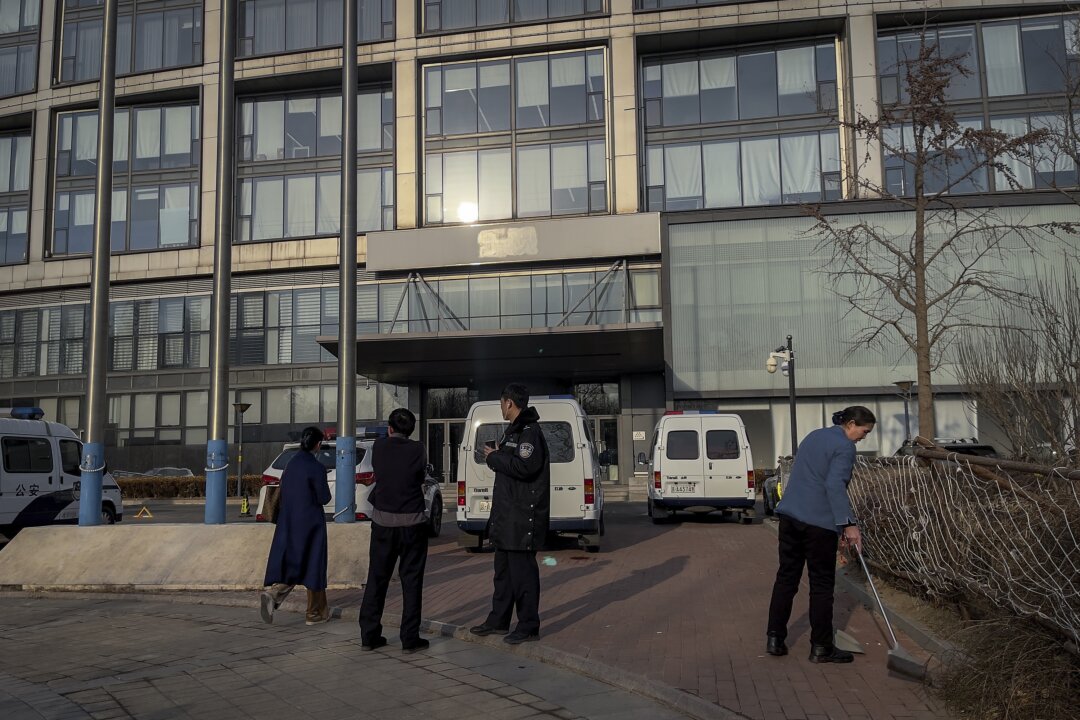
As China’s economy continues to struggle, the number of people trapped in debt and bad credit is rising sharply, highlighting the growing social fallout of years of debt-fueled growth and a prolonged economic slowdown.Business owners burdened by debt, workers taking temporary jobs to survive, and entrepreneurs struggling with depression told The Epoch Times that China’s growing debt crisis is leaving many people trapped in financial limbo as the country’s economy continues to slow.They spoke on condition of anonymity or only publishing their surnames out of fear of reprisal. Their accounts offer a glimpse into the human toll of China’s debt enforcement system, which imposes sweeping restrictions on millions of people who have defaulted on loans or court-ordered payments.China maintains a national blacklist for debt defaulters. Once placed on the list, individuals face wide-ranging restrictions. Chinese courts can limit spending, block access to air travel, high-speed rail, luxury hotels, entertainment venues, and certain educational and financial services. Defaulters may also face restrictions on obtaining loans or credit cards and on registering companies.Business Owners Drown in Debt In China’s Guizhou Province, a man with bad credit told the publication his financial collapse began with a small business venture that quickly spiraled out of control.He said he initially worked in home renovation before partnering with others in 2021 to open a bar and club. The business soon ran into regulatory problems and was forced to shut down temporarily. The disruptions were compounded by COVID-19 lockdowns, and by late 2023, the business had collapsed entirely.The man said he eventually accumulated around 5.9 million yuan ($873,000) in debt. He also faced legal disputes over unpaid wages and was placed under court restrictions on expenditure after being sued by a security company.Despite the formal penalties, he said enforcement by banks was inconsistent and often informal. Some creditors contacted him directly or used public pressure tactics, while official institutions were sometimes less aggressive than private lenders.Now based in the manufacturing hub of Yiwu in central Zhejiang Province, the man works as a day laborer.“It’s not to repay debt anymore,” he said. “It’s just to survive.”He added that many others in similar financial situations have moved to Yiwu in search of temporary work and a chance to rebuild.In Guangdong Province, an entrepreneur told The Epoch Times his business once generated millions in assets before collapsing during China’s draconian COVID-19 lockdowns.He said he now carries more than 3 million yuan ($444,000) in combined debt, including bank loans, private lending, and unpaid obligations to others. He also described ongoing legal disputes and enforcement actions.The entrepreneur said the pressure from creditors and legal proceedings severely affected his mental health. In one incident, he said debt collectors damaged his family’s grave site, escalating tensions to the point of personal threats and retaliation.At one point, he told creditors that if they continued to escalate pressure, he would consider extreme responses, reflecting what he described as feeling “pushed to the edge.” The dispute was later partially resolved, with creditors agreeing to drop interest claims in exchange for repayment of principal.The entrepreneur said he was diagnosed with depression during the period of intense debt pressure, though his condition improved after the partial settlements.Despite this, he said repayment remains impossible under current conditions, and that even discounted settlement offers are beyond his means.He also criticized the Chinese regime’s enforcement system, arguing that restrictions on travel and consumption make it harder for debtors to regain financial stability.“Many people simply cannot restart,” he said, adding that some former business owners have relocated their operations to Vietnam or other Southeast Asian countries in search of better conditions.‘Living Normally’ on a BlacklistNot all debtors describe their situation as purely restrictive.A Guangdong-based cosmetics business owner told The Epoch Times he currently owes more than 6 million yuan ($888,000), though much of it is to private individuals rather than banks.He said he has stopped repaying certain debts, including unpaid wages to employees, while continuing to operate businesses under relatives’ names or through obscure ownership structures.“I’ve basically accepted it,” he said, describing his initial panic when financial problems surfaced, followed by resignation.The business owner said he has been able to continue business activity despite being on a blacklist, using family accounts and proxy arrangements to maintain financial operations. He also claimed that travel restrictions can sometimes be bypassed through third-party arrangements.He said that China’s enforcement is always uneven, and he acknowledged that he has not faced arrest, despite legal provisions that allow for enforcement actions in certain cases.Tang Bing and Gu Xiaohua contributed to this report.









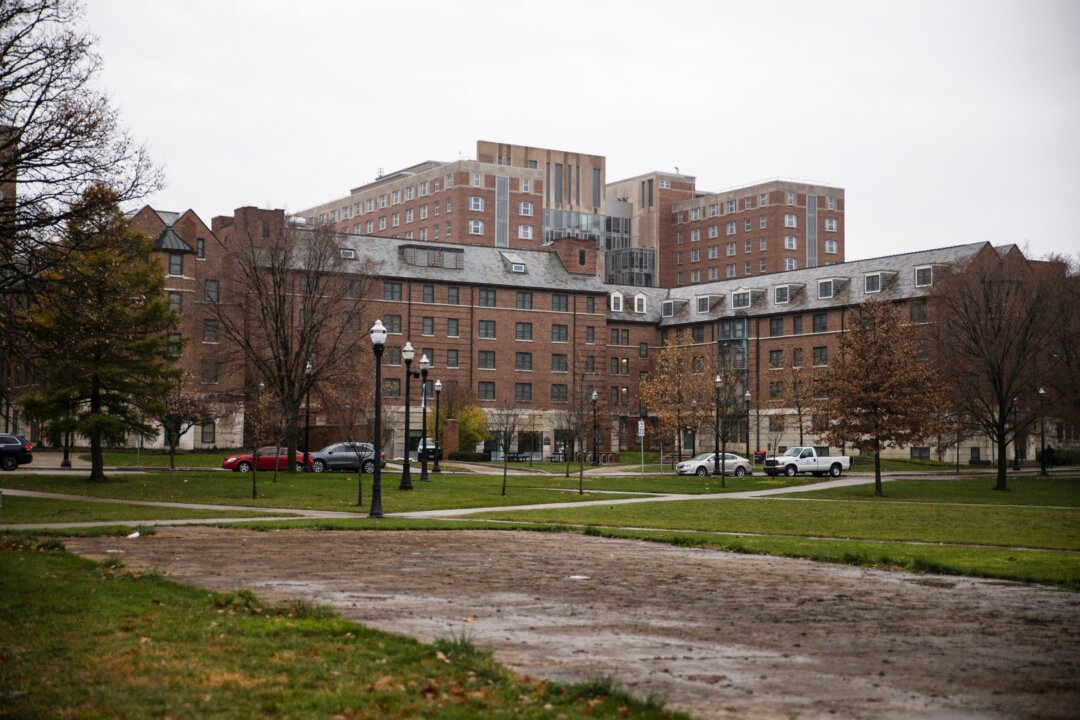
Ohio State Agrees to $2.1 Million Federal Settlement Over Undisclosed China Research Ties
Ohio State University has agreed to pay $2.1 million to resolve federal...
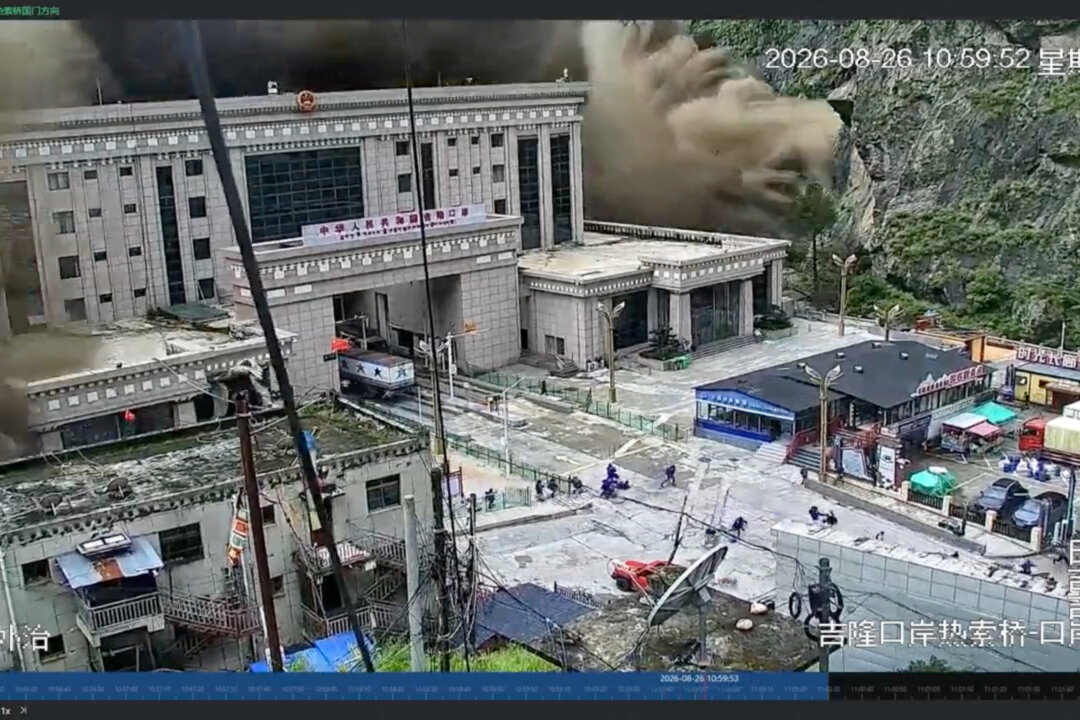
Chinese Scientists Flagged Glacial Flood Danger One Year Before Nepal Catastrophe
More than a year before the catastrophic flash flood devastated the China–Nepal...
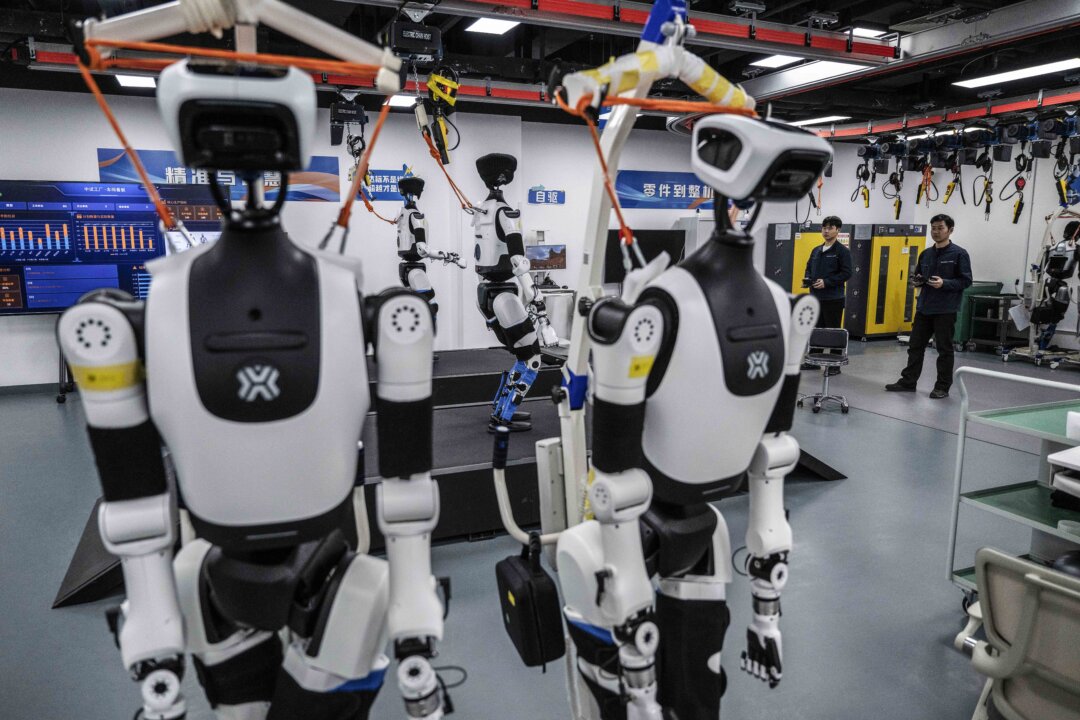
Chinas Humanoid Robot Companies Face Reality Check
China is showcasing humanoid robots as symbols of its technological ambitions. However,...
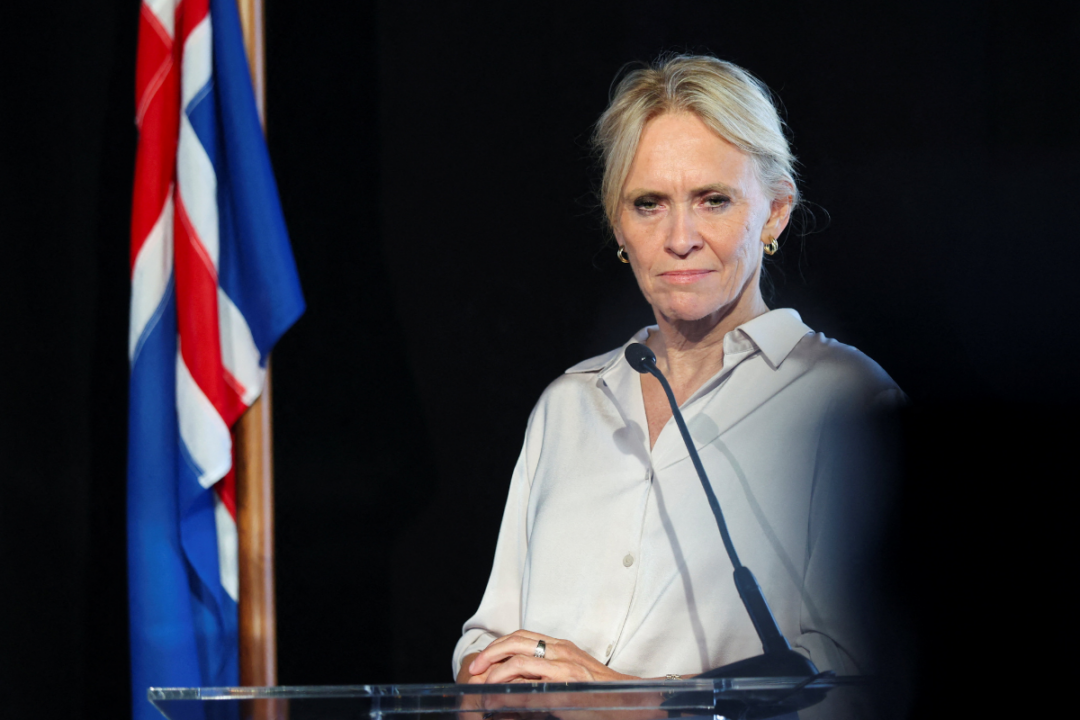


Iceland Focuses on Security Partnerships After Voters Reject Opening EU Membership Talks
Icelandic Minister for Foreign Affairs Thorgerdur Katrin Gunnarsdottir attends a press conference...
