
Concerns over possible E. coli contamination have led to the recall of several cheeses in at least four Canadian provinces.
The Canadian Food Inspection Agency (CFIA) issued a recall notice on Feb. 22 concerning four different varieties of Morbier de Scey and Raclette de Scey cheeses.
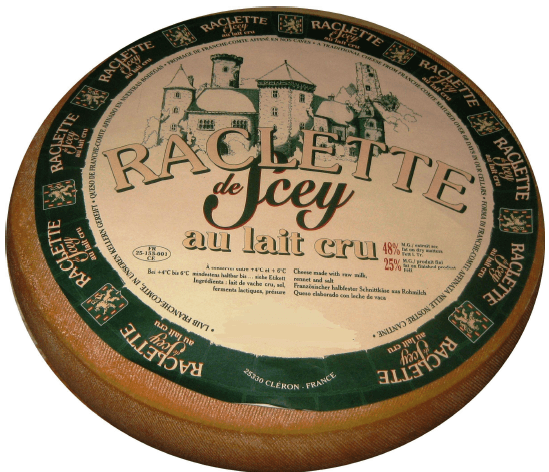
Several types of cheese have been recalled in Canada due to E. coli concerns. CFIA handout photo
The impacted products were distributed in Alberta, British Columbia, Manitoba, and Quebec, and may have been sold in other provinces and territories as well, the advisory said.
The recall includes cheeses produced by the brand Jean Perrin, as well as other cheeses that may have been distributed by various retailers. These products may not necessarily display the same brand, product name, or ‘best before’ date on their labels, the advisory said.
“The affected products are being recalled from the marketplace due to possible pathogenic E. coli contamination,” CFIA said. “Recalled products should be thrown out or returned to the location where they were purchased.”
CFIA said it has launched a food safety investigation, which may lead to the recall of other products. It is also verifying that all recalled products have been removed from the marketplace.
Related Stories


No illnesses have been reported in connection with the recalled cheeses to date.
E. Coli Dangers
Food contaminated with pathogenic E. coli can lead to an E. coli infection, also known as food poisoning.
Some individuals infected with E. coli may exhibit no symptoms at all, while others may experience nausea and vomiting, headache, mild fever, severe stomach cramps, and watery or bloody diarrhea, Health Canada said. The onset of symptoms usually occurs within one to 10 days after exposure and usually subsides within a five to 10-day period.
Most people can recover at home, but those who become seriously ill need to be hospitalized, the agency’s website says. In rare cases, some develop life-threatening symptoms such as stroke, kidney failure, and seizures.
This form of food poisoning is most dangerous for pregnant women, seniors, children younger than five, and those with a weakened immune system, Health Canada said.
“While most people recover completely, others may suffer permanent health effects, like kidney damage,” the agency said. “If you think you have an E. coli infection, see your health-care provider.”