

Governments should consider overhauling the way childcare is funded, with a new report arguing subsidies should be based on the actual cost of providing care rather than the market fees charged by providers.Victoria University’s Mitchell Institute said a cost-based funding model, which took into account expenses such as educator wages, infrastructure and day-to-day operating costs, could ease some of the financial pressures in Australia’s childcare system.The claims were made following the release of a new report (pdf) that identified a number of shortfalls in Australia’s childcare system, warning that the existing market-based model was failing to efficiently allocate places, with shortages persisting in some communities despite significant investment.It also urged the implementation of an Early Education and Care Commission based on a 2024 Productivity Commission recommendation, with the body expected to guide reforms and address issues with the allocation of childcare places.“Governments should play a greater role in addressing thin markets, ensuring that uneven supply across the country is better managed to ensure equitable access,” the report said.“Without this intervention, the market-based model will reproduce existing inequalities.”The Mitchell Institute found a high rate of turnover in the sector, both in terms of approved providers and staffing.“The high turnover staff and low pay mean the workforce has characteristics more like the retail and hospitality sector than education,” it said.“The median hourly wage for educators is $34.30 (US$24.2), compared to $62 for schoolteachers and below the median hourly wage of $42.40.“Income tax data from 2023-23 shows that 52 percent of jobs in the childcare sector were held for less than a year, compared to 25 percent for jobs in the school sector.”According to the report, childcare places have grown from 190,900 to more than 720,000 over the past 25 years, with almost all of that expansion driven by private, for-profit providers, which now account for 74 percent of long day care places.In addition, centres run by large private, for-profit providers are more than three times as likely to face enforcement action as those operated by large not-for-profit providers.“Australia has used sophisticated approaches from the research on markets and economics to grow the number of places while keeping costs down,” lead author and Mitchell Institute director, professor Peter Hurley, said.“But these approaches bake-in the deficiencies of low-pay and high turnover and put enormous strain on the on the sector.“They end up rewarding those providers who can produce an hour of care in the cheapest way possible while meeting the minimum standard.”In June, the Labor government announced a support package to fund a 15 percent increase in pay rates for early childhood education and care workers in response to the labour shortage and rising costs across the sector.The move will cost taxpayers $3.6 billion over two years.Minister for Early Childhood Education Jess Walsh said the industry had long been underpaid, which had caused workers to “walk out the door.”“With the Albanese Labor Government’s 15 percent pay rise, we’re seeing that turn around,” she said.“This helps create a long-term stable workforce, and that strengthens the whole sector.”










Chinese Scientists Flagged Glacial Flood Danger One Year Before Nepal Catastrophe
More than a year before the catastrophic flash flood devastated the China–Nepal...
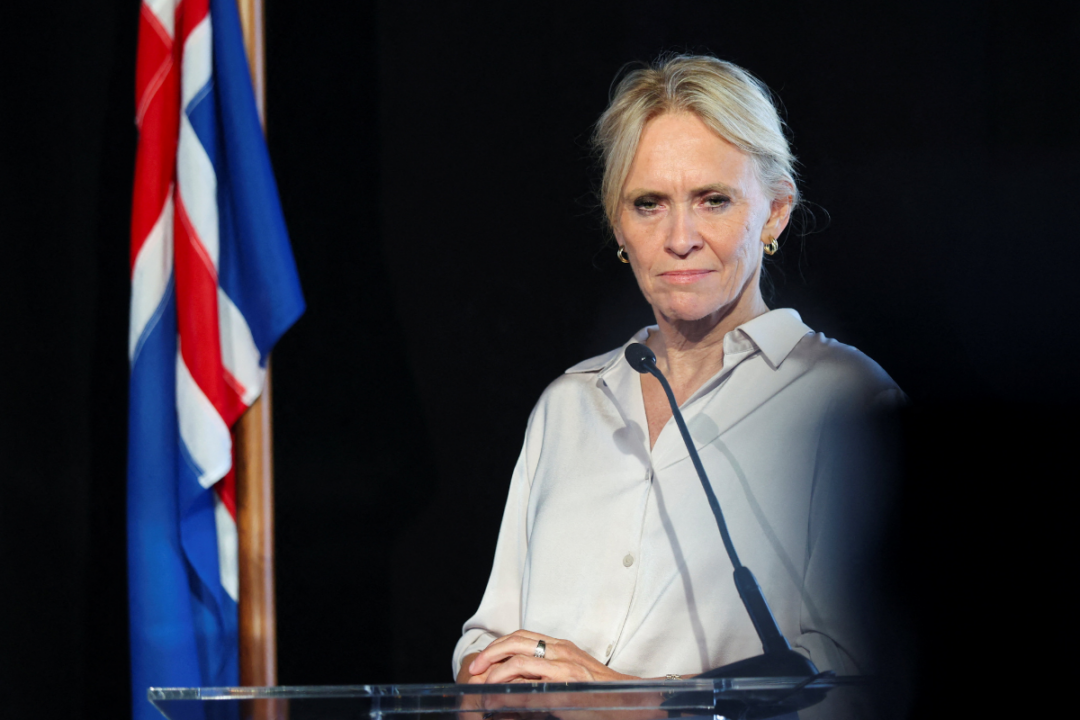
Iceland Focuses on Security Partnerships After Voters Reject Opening EU Membership Talks
Icelandic Minister for Foreign Affairs Thorgerdur Katrin Gunnarsdottir attends a press conference...

Italy, Spain Extend Tit-for-Tat Border Curbs After Ceuta Illegal Immigrant Crisis
Immigrants gather on a hill as they attempt crossing from the border...



Vaccine Maker Halts Trial on mRNA Cancer Shot
A pharmacist administers the Pfizer-BioNTech vaccine in Los Angeles, Calif., on October...
