

Climate stress, ageing populations, and unplanned growth threaten the future of Tokyo, Delhi, Shanghai, and Dhaka.
Asia’s megacities—Tokyo, Delhi, Shanghai, and Dhaka—are major drivers of economic growth, but their future is becoming increasingly uncertain with changing climates, ageing populations, and unregulated urban expansion putting their resilience to the test.
According to a recent report from the United Nations Economic and Social Commission for Asia and the Pacific (UNESCAP), titled “Urban Transformation in Asia and the Pacific: From Growth to Resilience,” unless urgent and inclusive action is taken, these challenges may strain public services and heighten social and environmental tensions.
UNESCAP Executive Secretary Armida Salsiah Alisjahbana advocates for a new urban model grounded in equity and resilience to meet these emerging challenges.
“The road to the 2030 Agenda for Sustainable Development runs through cities and across the entirety of human settlements—provided that governments and stakeholders at all levels are empowered to achieve their full potential,” Alisjahbana wrote in a foreword.
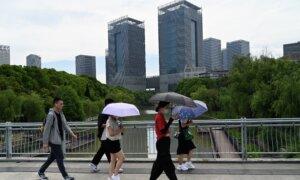
The report also highlights the mounting impact of the changing climate, particularly extreme heat and the “urban heat island effect,” which worsens living conditions for vulnerable groups such as the elderly and low-income residents in informal settlements.
Nearly 50 percent of heat-induced deaths worldwide occurred in Asia and the Pacific between 2000 and 2019.
Related Stories
Several cities are already exploring innovative strategies to adapt.
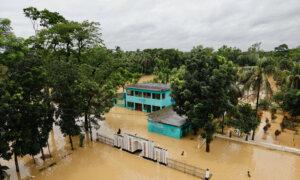
For instance, to tackle flood risks in Shanghai’s flood-prone Pudong New District, authorities have implemented a real-time flood forecasting and early warning system that spans over 1,200 square kilometres. The system uses weather forecasts and hydrological data to help predict floods and enable timely, preventive action.
Demographic shifts further complicate the urban landscape.
The number of older people in Asia and the Pacific is projected to reach 1.3 billion by 2050, placing increased pressure on cities to reconfigure infrastructure and services.
Yet, many remain underprepared for the scale of this transition.
Compounding the problem is the rapid growth of informal settlements and slums.
As housing becomes increasingly unaffordable, more people are forced into overcrowded and often unsafe living conditions that lack official recognition and support. These communities are typically the hardest hit by extreme temperatures and receive the least assistance.
Despite these mounting challenges, cities still hold enormous potential.
UNESCAP stresses that these urban centres remain central to achieving a sustainable future in Asia for all residents.
The report recommends integrated urban planning, strengthened local data systems, and diversified financing as key tools to build resilience, reduce inequality, and ensure long-term growth.
It also calls on nations and cities to collaborate more actively across the region—sharing knowledge, strategies, and resources, and forging partnerships to address shared challenges more effectively.