
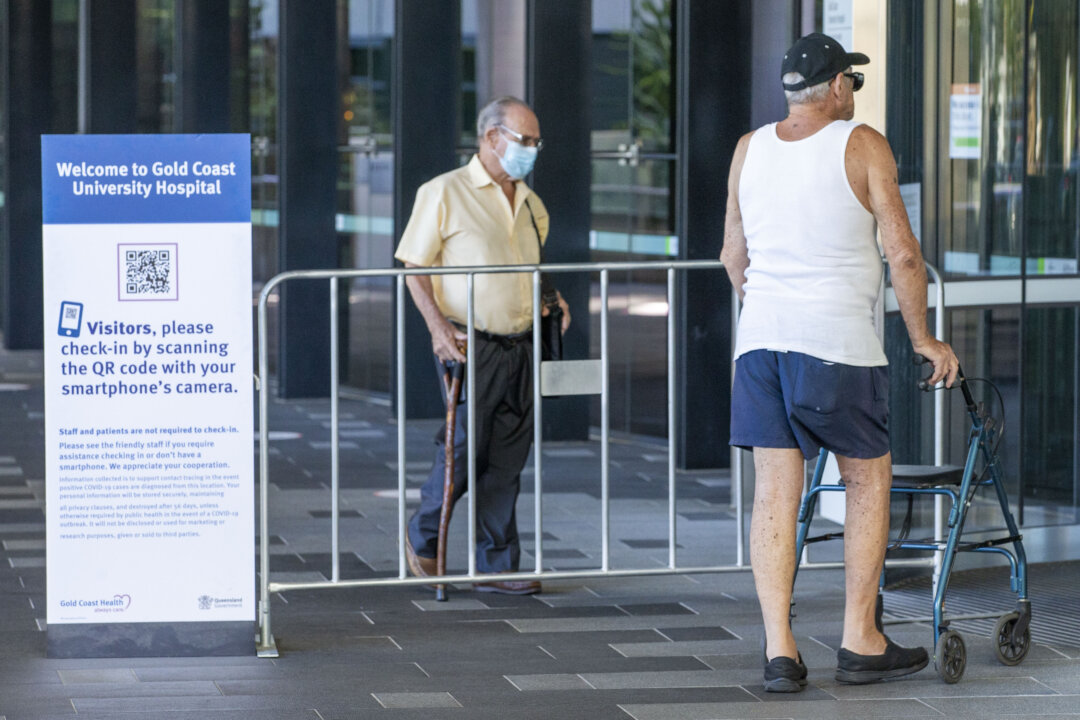
Patients attend Gold Coast University Hospital in Gold Coast, Australia, on Feb. 22, 2021. Glenn Hunt/Getty ImagesThe Australian Bureau of Statistics (ABS) has been pressed over whether Australia’s economic measures are failing to capture the true value of unpaid care and its contribution to the economy.During a recent inquiry hearing, members of the Senate Select Committee on Productivity in Australia questioned ABS representatives about why work such as raising children and caring for elderly relatives remains largely invisible in official measures of productivity and economic growth.They also raised concerns that Australia’s reliance on gross domestic product (GDP) and traditional productivity measures might overlook significant economic contributions made through unpaid care, and questioned whether the ABS should develop more robust methods of analysing unpaid care work.Liberal Senator Andrew Bragg asked the agency if they would consider a satellite account dedicated to measuring the “care economy,” similar to those set up for tourism and the arts.In response, ABS program manager of national accounts Grace Kim said the concept had been discussed with the Treasury, the Reserve Bank of Australia and the Productivity Commission as far back as 2024, but other fields of research had been prioritised.“The care economy satellite account was certainly considered, but further research has not commenced,” she told the Committee.“So it’s a decision for the ABS … we want to make sure that whatever we produce is of value and useful.”Nationals Senator Bridget McKenzie then asked the ABS how it valued unpaid care in the research it had conducted.“We get an hours measure [of] the quantity of unpaid care out of our time use survey, and then we assign a wage rate for there’s two different approaches. One which is for a wage rate for that similar kind of work, if it was to be purchased through the market,” ABS general manager of economy and environment Michael Smedes said.“And the other approach is [to based on] the individuals doing the unpaid work, [and] what their wage rate might be.”According to ABS data, unpaid care was valued at $461.1 billion (US$324.9 billion) in the September quarter of 2025 using the individual replacement cost method, compared with $306 billion under the minimum wage rate method.McKenzie also pressed the ABS on whether childcare could be measured separately from other forms of unpaid care, saying she wanted to distinguish childcare from aged care in the bureau’s replacement cost estimates.Smedes said the ABS had not separately analysed childcare, instead producing estimates for unpaid care as a whole. However, he acknowledged separate childcare figures were possible.“I don’t believe that we’ve separately done that work,” he said.“I think the only work we’ve done is the more general concept of unpaid care.“It is possible.”The hearing also examined the ABS’s definition of GDP per capita, which measures a country’s economic output divided by its population.Kim noted that the measure is often used as an indicator of living standards but is only an average because it does not account for how income is distributed among individuals.“It does not take into consideration things like distribution income of to the population and other socio-economic impacts, but it does give an aggregate view of economic activity per person living in Australia,” she said.










Chinese Scientists Flagged Glacial Flood Danger One Year Before Nepal Catastrophe
More than a year before the catastrophic flash flood devastated the China–Nepal...
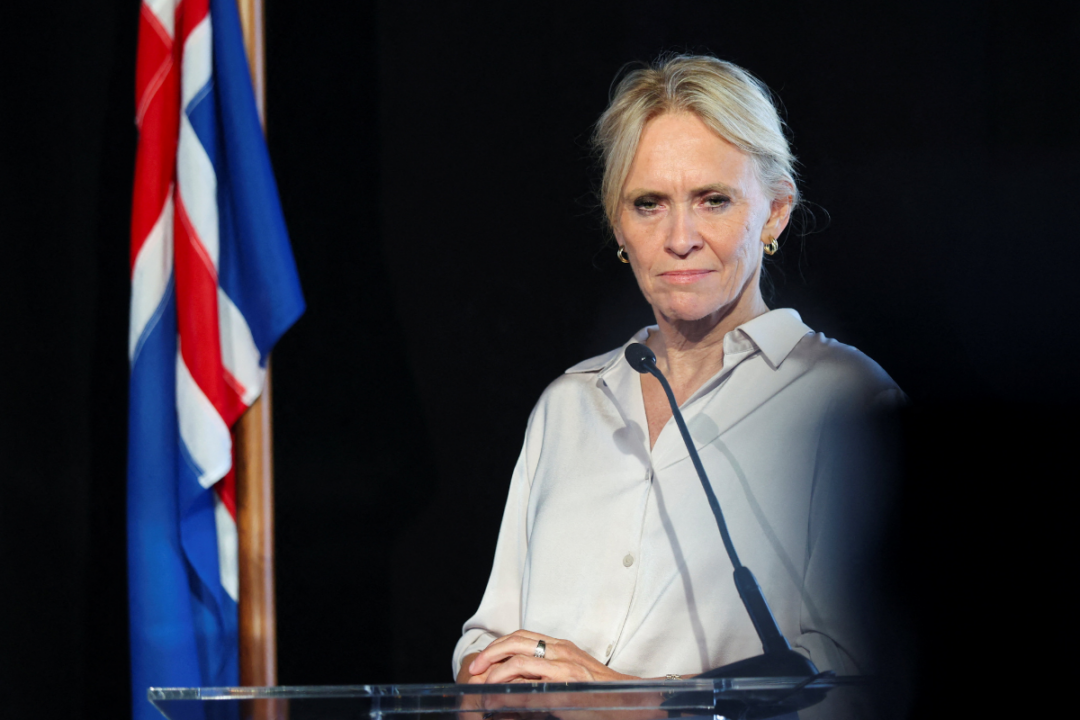
Iceland Focuses on Security Partnerships After Voters Reject Opening EU Membership Talks
Icelandic Minister for Foreign Affairs Thorgerdur Katrin Gunnarsdottir attends a press conference...
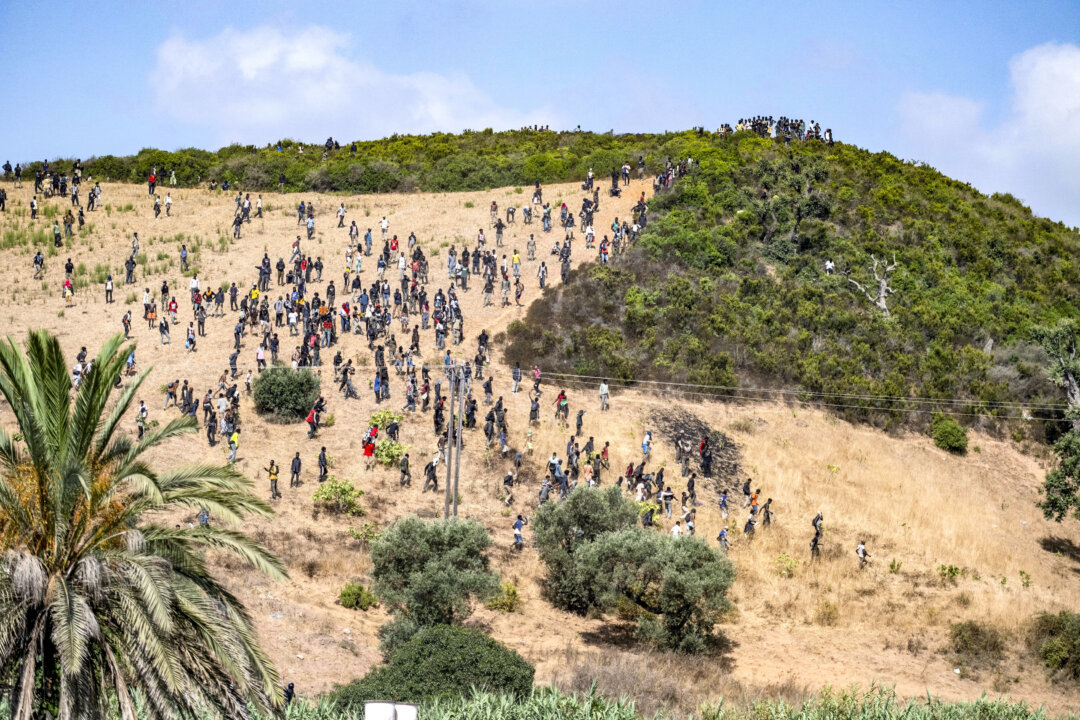
Italy, Spain Extend Tit-for-Tat Border Curbs After Ceuta Illegal Immigrant Crisis
Immigrants gather on a hill as they attempt crossing from the border...
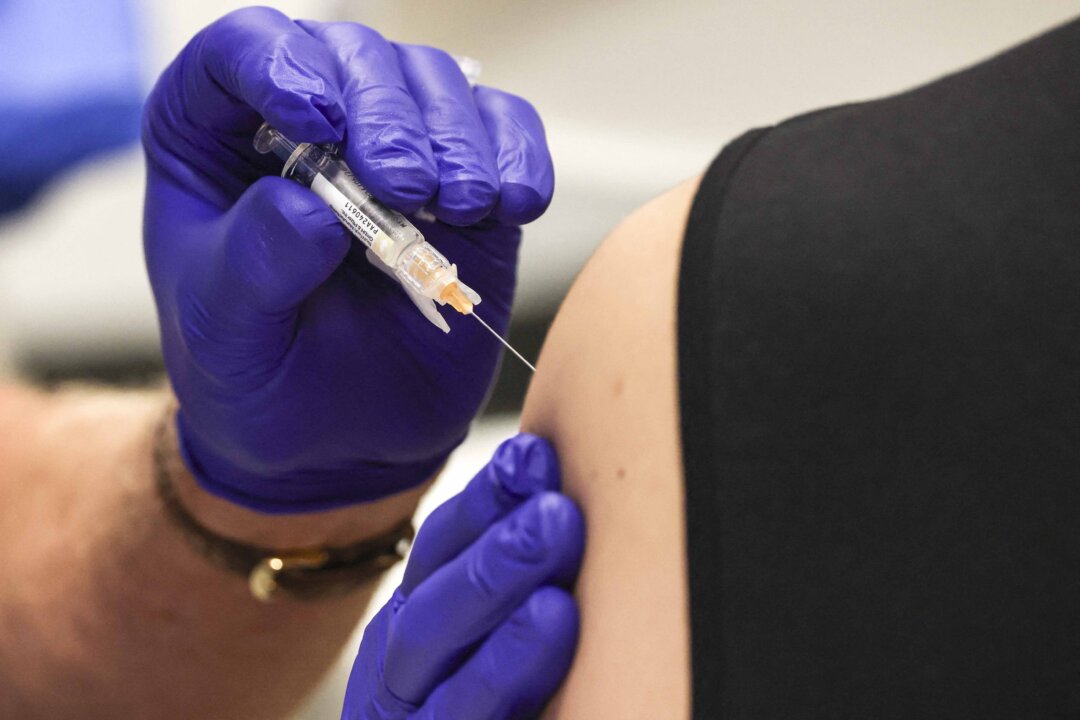


Vaccine Maker Halts Trial on mRNA Cancer Shot
A pharmacist administers the Pfizer-BioNTech vaccine in Los Angeles, Calif., on October...
