Conservatives say the two-day Canada–EU summit in Montreal did nothing to address cost-of-living issues facing Canadians or advance the ratification of the EU free-trade agreement by the remaining member states.“Not a single tariff was removed. No trade barrier was eliminated. EU restrictions continue to block Canadian beef and pork from entering European markets. Nine countries who have refused to ratify CETA still have not done so,” read an Oct. 30 statement from Conservative MPs Stephanie Kusie, the party’s trade critic, Eric Duncan, its foreign affairs critic, and Pierre Paul-Hus, its Quebec lieutenant.“This week’s Canada-EU Summit was just more Liberal theatrics to distract Canadians from the cost-of-living crisis the Liberals created. Nothing came out of the Summit that will save Canadians money on their groceries, gas or mortgage,” they added.The Comprehensive Economic and Trade Agreement (CETA), a free trade agreement between Canada and the EU, has been in place since September 2017. It removes most tariffs on goods traded between the bloc and Canada. However, it’s not yet fully implemented because it still hasn’t been ratified by nine of the EU’s 27 member states, namely Belgium, Bulgaria, Cyprus, France, Greece, Hungary, Ireland, Italy, and Poland.The Oct. 29–30 summit in Montreal hosted by Prime Minister Mark Carney was attended by European Commission President Ursula von der Leyen and European Council President António Costa as well as various Canadian cabinet ministers and European officials.The summit included the announcement of more than 20 measures meant to deepen Canada-EU ties on energy, critical minerals, defence, trade, and technology. The measures included plans for closer collaboration on research, a digital trade agreement, and a goal of deepening integration of Canada-EU financial services as part of a new “Alliance for the Future.”Carney, von der Leyen, and Costa said closer ties would contribute to lower prices for consumers, new market access for Canadian and European companies, significant job creation, stronger supply chains, and enhanced economic and national security.The two sides said the proposed alliance will be built on closer ties in policies, programs, and governance.“We want to shape more of our policies together, with much closer alignment,” von der Leyen said on Oct. 30. “We want to consult each other at all stages, so from inception to implementation.”The Conservatives also expressed concern that Canadian exporters to Europe are subject to the bloc’s “carbon tariff” under the EU’s Carbon Border Adjustment Mechanism.The mechanism “affects $2.8 billion worth of Canadian exports. Canadian steel and aluminum workers are already being squeezed by Liberal industrial carbon taxes and unjustified American tariffs,” the Conservatives said.“They cannot afford another carbon tariff that puts Canadian jobs at risk.”Prime Minister Mark Carney, centre, flanked by European Commission President Ursula von der Leyen, right, and European Council President Antonio Costa arrive for their closing press conference during the EU-Canada summit in Montreal on Oct. 30, 2026. The Canadian Press/Christinne MuschiCarney said in September that the proposed alliance is a response to “the upheaval caused by climate change, the erosion of democratic norms“ and ”the weaponization of trade,” in an apparent reference to U.S. protectionist policies.“Our Alliance with the European Union is built on shared history, common values, and mutual respect. They are the foundation on which we move ever closer together to give our citizens more choice, more opportunity, and a more affordable future,” he said on Oct. 30.“That is what sovereignty looks like: the freedom to live our lives as we choose, on our own terms. The ambition to build a better, more prosperous world for ourselves, for our children, and for our children’s children. Ours is an Alliance that delivers now and for the future.”‘Associate Membership’While in Montreal, both von der Leyen and Carney said that they are working on making Canada an “associate member” of the EU.Carney has spoken in favour of a deeper relationship with the EU, saying the term used to describe it is less important than the relationship itself, which he has called an “Alliance for the Future.”Von der Leyen, meanwhile, has pushed for “associate membership” despite objections from several member states including Germany and France. Their concerns include the unclear legal import of the term, its effect on the EU’s decision-making process, and the lack of consultation with member states before the proposal was made.Canada and the EU issued a joint declaration on Oct. 30 to develop a framework for “ever-closer association,” including economic, technological, and political cooperation ahead of the next Canada-EU Summit in 2027.rime Minister Mark Carney (C), European Council President António Costa (L), and European Commission President Ursula von der Leyen (R) arrive for the welcome ceremony at the 21st EU-Canada summit in Montreal on Oct. 30, 2026. Alexis Aubin / AFP via Getty ImagesThe Prime Minister’s Office issued a release Oct. 30 confirming that the “form of membership” is still being developed and specific terms continue to be worked out.Conservative Leader Pierre Poilievre has said he is concerned about Canada’s sovereignty in the face of potential integration with the EU.“Conservatives are clear: we support the decades-old free trade [and] NATO defence alliance with Europe. But no EU taxes, no EU laws, and no EU open-border immigration policies should be imposed on Canadians,” Poilievre posted Sept. 16 on social media. “Canada must be independent and sovereign.”Kusie, Duncan, and Paul-Hus reiterated this concern in their Oct. 30 letter, saying Carney “must guarantee Canadians that he will put Canada’s sovereignty first.”“That means no European taxes, no European regulations and no European immigration rules,” they added.Jennifer Cowan contributed to this report.

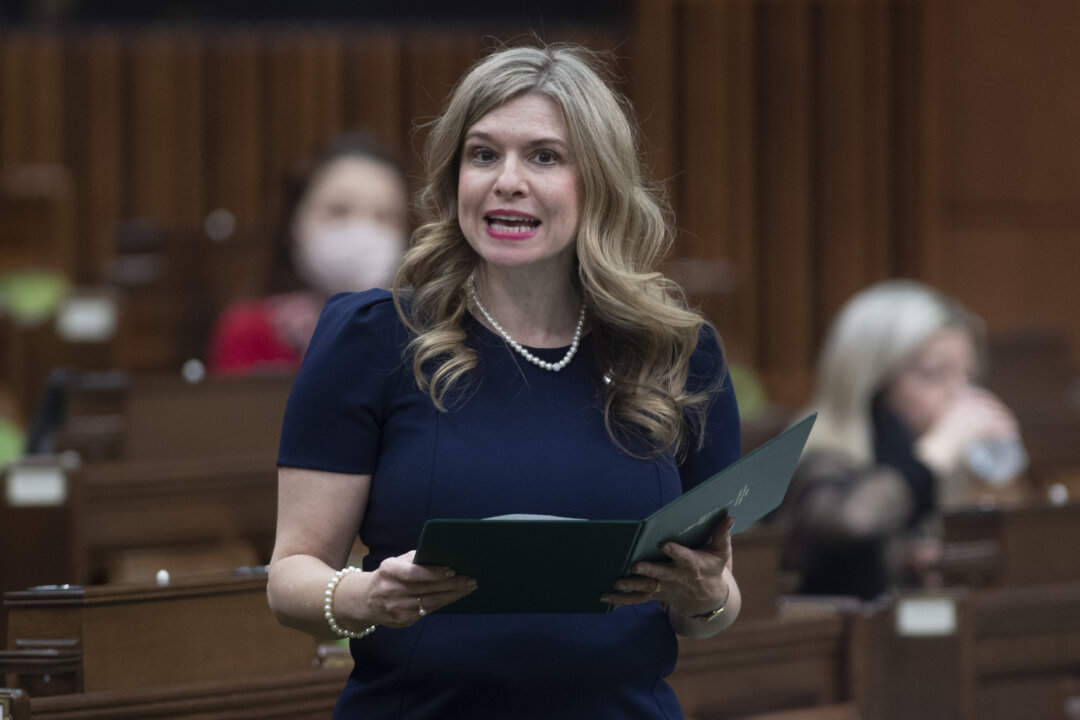
Conservatives Say Canada-EU Summit Theatrics Distracting From Cost-of-Living Crisis








Related Articles
CanadaCanadian PoliticsChina NewsChinese RegimeFeatured Canadian NewsTop Canadian NewsWorld News
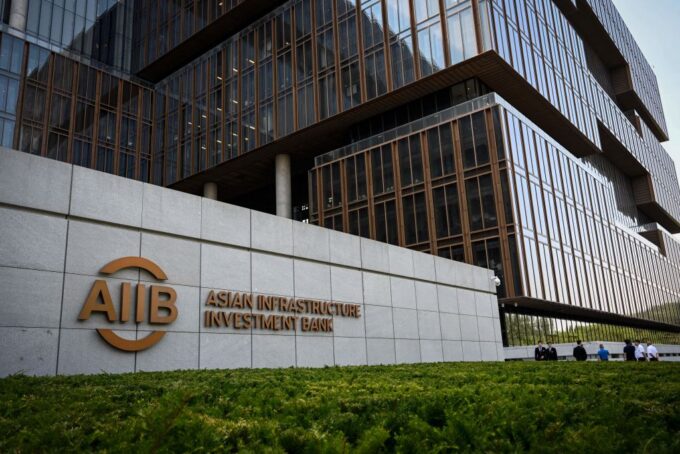
MP Questions Global Affairs Over Unfinished Review of Canadas China-Led Bank Membership
The logo of the Asian Infrastructure Investment Bank at its headquarters in...
CanadaCanadian PoliticsChina NewsChinese RegimeFeatured Canadian NewsTop Canadian NewsWorld News
Scholar Concerned by Lack of China Mention in Canadas New National Security Strategy
A leading China analyst is raising concerns over the absence of any...
China NewsEuropeGlobalInternationalRussia-Ukraine WarWorld News
Ukrainian Drone Strike Sets Major Russian Oil Refinery Ablaze
Russia's Deputy Prime Minister Alexander Novak attends a session at the St. Petersburg...


China NewsEuropeGlobalWorld News
Major Companies in Eurozone Expecting Demands for Higher Wages Amid Surge in Cost of Living
European Central Bank President Christine Lagarde speaks to the media following the...
