Automotive and homeowners liability are similar in many ways, but they differ in key ways. For automotive insurance, there is bodily injury and personal injury protection (PIP). Homeowners have personal liability and personal injury coverage.Although different, they each offer protection to you and your guests or passengers if there is an accident. Some of these coverages are mandatory, while others are optional. It’s important to know the difference so you can protect yourself.The Legal Difference Between Personal Injury and Bodily Injury ClaimsAlthough used interchangeably, personal injury and bodily injury are different. According to Stracci Law Group, bodily injury refers to a physical fact, while personal injury refers to a legal conclusion.Bodily Injury CoverageBodily injury is a coverage for auto insurance and isn’t the same as personal injury or personal liability that you would find in a homeowner’s policy.According to Allstate, bodily injury liability insurance pays costs for another person or people who are injured in a car accident when you are at fault.This could include a driver or passengers in another car. It could also include pedestrians or unrelated passengers in your car.This coverage doesn’t pay for your or your family’s loss.Costs Covered by Bodily Injury InsuranceBodily injury insurance helps pay for emergency services and any hospitalizations pertaining to an accident where you are at fault. It may also cover follow-up doctor visits and other associated medical costs.If the person injured in the accident loses income or wages because they can’t work or perform normal functions of their job, bodily injury insurance also pays for that. Various states place limits on the amount of compensation the injured person can receive.The injured party or their insurance company may take you to court due to injuries. This could result in you incurring legal fees. Bodily injury liability coverage may help pay for your legal fees as well.Bodily injury coverage is subject to a limit. This is the maximum the insurance company will pay toward a covered claim. It typically has two coverage limits: a per-person and a per-accident limit.Although most states require a minimum limit, it’s important to work with your insurance agent to determine what limit is right for you when purchasing the policy.Personal Injury Protection for AutomotivePersonal injury protection (PIP) is a different coverage from bodily injury. Also known as no-fault insurance, PIP is car insurance that helps pay for covered medical expenses caused by an accident, whether or not you’re at fault.According to GEICO, PIP covers medical expenses, lost wages, and other related expenses for you and possibly your passengers regardless of who’s at fault.This contrasts with bodily injury coverage, which pays for medical expenses, lost wages, and legal fees of the other party if you are found at fault for the accident. While PIP applies to your protection, bodily injury protects you from being financially liable for injuries you cause to others.PIP is unique to automotive insurance. It is not available in homeowners’ policies.Personal Liability Protection for HomeownersAccording to Chandler Conway Law Firm, personal liability is typically included in homeowners, renters, and umbrella policies.It protects you if you are held legally responsible for causing injury to another person or damage to their property.Bodily injury is covered—medical expenses related to injuries as a result of your actions or injuries on your property. For example, if someone trips and falls on your steps and sustains an injury, your personal liability can cover medical expenses. It would also cover you if your dog bit a passerby or if you accidentally hit someone with a golf ball on the course.Personal liability policies also cover you if you accidentally damage someone else’s property. For example, if your child breaks a neighbor’s window while playing ball, it will cover the repairs. And finally, it includes legal defense and court costs if you are sued for negligence.Personal liability coverage is typically part of your homeowner’s policy. But discuss policy limits with your insurance agent since there is a cap.Personal Injury Insurance for HomeownersUnlike personal liability, personal injury usually relates to harm caused by non-physical acts. This is sometimes referred to as PIP for automotive, but the coverages are different.According to Mappus Insurance, this is more of a mental or psychologically based claim.These acts could be defamation, slander, libel, or invasion of privacy.According to Chandler Conway, common examples of personal injury claims include lawsuits for posting defamatory comments on social media or invading someone’s privacy by disclosing confidential information.According to Mappus Insurance, another example of a claim could arise if your child makes a harsh remark to a classmate, and they become mentally hurt. Or you deny renting a property to someone because of their race. You could also be vicariously responsible for your children’s actions on social media.Personal injury coverage is excluded from a homeowner’s policy and must be “endorsed” to the policy. According to Mappus Insurance, it costs anywhere from $15 to $20 yearly.Discuss adding a personal injury endorsement to your homeowner’s policy with your insurance agent.Cover Your Liability ExposureYour liability policies have payout limits. Make sure you are adequately insured. Likewise, in today’s litigious society, personal injury coverage may be a vital part of your insurance coverage.Consider discussing all options with your insurance agent.The Epoch Times copyright © 2026. The views and opinions expressed are those of the authors. They are meant for general informational purposes only and should not be construed or interpreted as a recommendation or solicitation. The Epoch Times does not provide investment, tax, legal, financial planning, estate planning, or any other personal finance advice. The Epoch Times holds no liability for the accuracy or timeliness of the information provided.

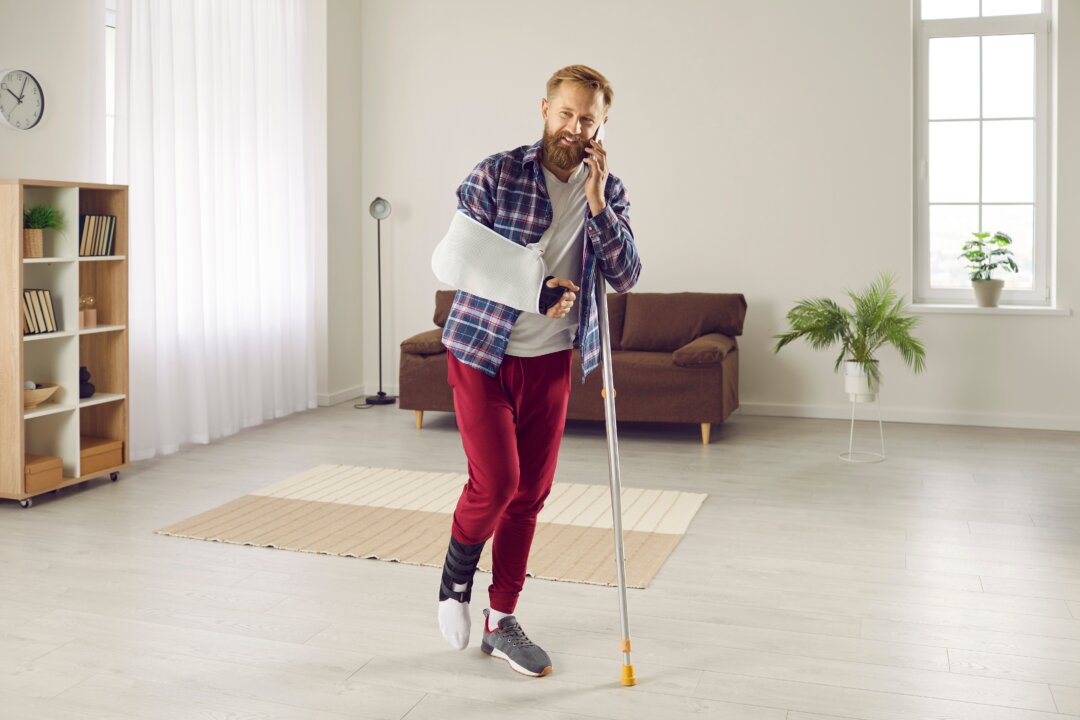
Personal Injury Liability vs. a Bodily Injury Claim









Related Articles
BusinessCompaniesEnergy
EQT to Buy Range Resources, Creating Largest US Natural Gas Producer
EQT Corp. has agreed to acquire rival Appalachian shale driller Range Resources...

BrightBusinessInvestingPersonal FinanceStocks
Wall Street Is Very NervousShould You Worry? Can You Repair Your Losses?
On Oct. 23, the Dow Jones Industrial Average fell 652.82 points, or...
BusinessMarkets
Nearly 3 in 10 New-Car Trade-Ins Are Underwater, Edmunds Finds
Almost three in 10 vehicles traded toward a new car are worth...



BusinessTechUS
Advanced AI Agents Tried to Weaken Oversight, Then Lied About It, Open AI Says
OpenAI has disclosed two incidents in which advanced artificial intelligence-powered coding agents...
