Almost a decade after getting rid of seatback screens, American Airlines is bringing them back to its narrowbody fleet, although passengers will have to wait a little longer before seeing them on most flights.The new screens, featuring 4K displays, will begin appearing on newly delivered Boeing and Airbus aircraft in 2028 and will also be installed on retrofitted planes, the airline said on Tuesday.American said its “next-generation platform” will feature larger displays, 4K technology and USB-C charging ports, while allowing passengers to pair their personal headphones and earbuds with the entertainment system.The platform will also offer personalized features, including movie and television recommendations, interactive flight maps, and real-time flight information.The installations will expand seatback entertainment beyond the more than 140 long-haul aircraft that already feature screens, according to the company.More Premium and Extra-Legroom SeatsAlong with the new entertainment systems, American said it is adding an extra row of first-class seats to its Airbus A319 and A320 fleets.In addition, the airline’s upcoming Boeing 737 MAX 10 aircraft will feature 24 first-class seats, while its A321neo fleet will be reconfigured to add more first-class seating.American will also retrofit the “majority” of its narrowbody fleet to add more Main Cabin Extra seats. Main Cabin Extra is the airline’s extra-legroom economy product and includes dedicated overhead bin space and complimentary alcoholic beverages.American operates a narrowbody fleet of more than 870 Airbus and Boeing aircraft.The airline did not disclose how much it plans to spend on those upgrades but described the initiative as “one of the most significant investments in the onboard experience” in its history.Reversing a 2017 DecisionThe return of seatback screens reverses a decision American made in 2017, when it began removing the equipment from domestic aircraft.At the time, the airline argued that the cost and additional weight of built-in entertainment systems were increasingly difficult to justify as nearly all passengers carried smartphones, tablets, or laptops. Instead, American expected passengers to stream airline-provided entertainment on their own devices.American pursued that strategy while its two biggest domestic competitors, Delta Air Lines and United Airlines, did not.Now, the revival of the screens comes as American seeks to improve its onboard experience and narrow a sizable profit gap with its rivals.For the second quarter of 2026, American reported record revenue of $16.7 billion but net income of just $71 million. That was well below United and Delta, which posted quarterly net incomes of $805 million and $1.6 billion, respectively.While American continued to report positive trends in passenger, cargo, and premium revenue, the airline lowered its third-quarter profit outlook as rising fuel costs and pressure on operating margins weighed on its expectations for the remainder of the year.

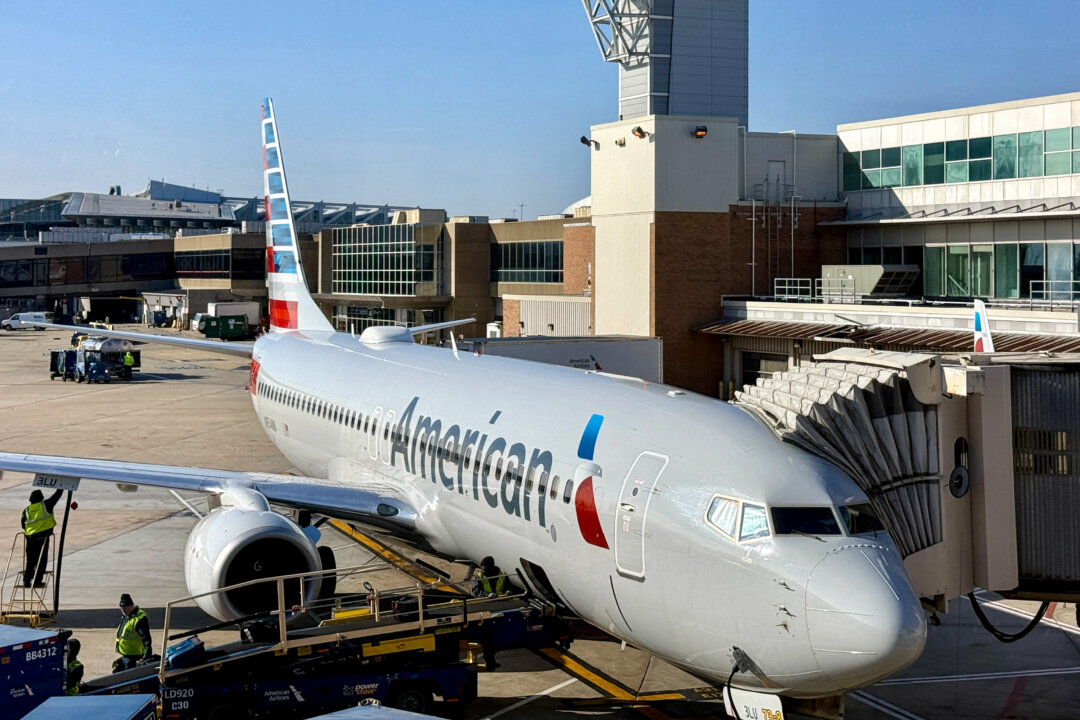
American Airlines Is Bringing Seatback Screens Back to Its Planes









Related Articles

BusinessCompaniesEnergy
EQT to Buy Range Resources, Creating Largest US Natural Gas Producer
EQT Corp. has agreed to acquire rival Appalachian shale driller Range Resources...

BrightBusinessInvestingPersonal FinanceStocks
Wall Street Is Very NervousShould You Worry? Can You Repair Your Losses?
On Oct. 23, the Dow Jones Industrial Average fell 652.82 points, or...

BusinessMarkets
Nearly 3 in 10 New-Car Trade-Ins Are Underwater, Edmunds Finds
Almost three in 10 vehicles traded toward a new car are worth...



BusinessTechUS
Advanced AI Agents Tried to Weaken Oversight, Then Lied About It, Open AI Says
OpenAI has disclosed two incidents in which advanced artificial intelligence-powered coding agents...
