CommentaryIn the 1980s, Western secessionist sentiment was raging in Canada. Fury over Pierre Trudeau’s National Energy Program led to the election of a separatist in Alberta, and rage only grew when it became clear that the Mulroney government wasn’t addressing Western concerns.Then something happened that tempered the independence movement and directed the energy of frustrated Westerners into a new direction. A conference called A Western Assembly on Canada’s Economic and Political Future was held in Vancouver in 1987. The roots for the Reform Party of Canada were set there, and it dominated the Western political scene for nearly a decade.Founded and led by Preston Manning, the Reform Party offered new hope to Western Canadians with the motto of “The West wants in!” The Western independence movement fizzled as activists and donors dedicated themselves to effecting change on the federal front. Eventually, the Reform Party dissolved into what became the Conservative Party of Canada.Today, separatist sentiment is as high or higher in Alberta than it was in the 1980s. Another decade of governance from another Trudeau awakened the slumbering secessionist movement, and the province will soon be facing a unity referendum in October.In what appears to be a repeat of history, Manning has emerged from retirement and has scheduled another conference for Sept. 19 of this year. This one is titled the Alberta and the West Assembly. Unlike the Vancouver gathering of 1987, this assembly will be held virtually and appears to be more Alberta-focused rather than broadly Western, though there is participation from other Western figures. The organizing committee of the assembly includes former Supreme Court justice Jack Major, Aspenleaf Energy Limited founder Bryan Gould, former Saskatchewan Potash Corporation chair Dallas Howe, and Calgary lawyer Glenn Solomon. The conference sessions will be co-chaired with Manning by former B.C. Premier Gordon Campbell.There’s no indication of a mandate to form another federal party in the upcoming assembly. The agenda is more discussion-focused rather than action-oriented.There will be open discussions on four paths Alberta may take in the coming years. One is called the “List” option, which is for provinces to stay the course but continue to demand changes from Ottawa. Next is the “Provincial sovereignty within Canada” approach modelled after Quebec in having provinces assume more authority over local policies. Then there will be discussion about Alberta pursuing full independence from the federation, and finally there will be a discussion to examine the case for Alberta to remain within Canada.Representatives will make presentations on the varied approaches, and delegates will be able to cross-examine the proponents through the live stream.The intent of the assembly doesn’t appear to be to stymie the independence movement as the 1987 one did. The gathering will be treating provincial secession as a viable consideration, though it isn’t endorsing that approach. Depending on the moderation of the question periods and the strength of the presentations, the conference may entrench secessionist sentiment more deeply among viewers. This year’s gathering doesn’t offer a pressure release valve through the formation of a new party that the prior one did.Something that has been lacking in the unity debate has been nuanced, calm discussions of the issues facing the federation. The referendum looming in Alberta has put the debate into campaign mode with rivalling third-party advertisers pushing their perspectives, but without tempered debate. The conference may offer a nuanced outlet to observe for people still sitting on the fence with the unity issue. Being dominated by conservative voices, though, the pro-independence lean could dominate the event.Preston Manning doesn’t appear to have any personal political ambitions going into the conference. Nor does Gordon Campbell. Both figures have already made their mark on Canadian politics and are now content in acting as statesmen rather than electoral aspirants as they had been, and so partisanship within the conference won’t be as dominant as it was in the 1980s.Manning said a “yes” vote for the nine proposals on the referendum ballot will encourage provinces to “push the envelope” on issues. He didn’t mention how he feels Albertans should vote on question 10, which deals with unity, however, and that is the prime question on the minds of Albertans.Manning’s assembly won’t lead to the creation of a new movement, nor will it put the independence movement on hold as the 1987 gathering did, but it may mark a turning point in the independence debate. The conference could feed the independence movement, as the option of independence will be discussed as a reasonable consideration for Alberta rather than dismissed out of hand. Strong presentations in favour of the independence option could sway people to a positive vote for it, and the debate itself legitimizes the consideration of secession.It will be well worth watching.Views expressed in this article are opinions of the author and do not necessarily reflect the views of The Epoch Times.

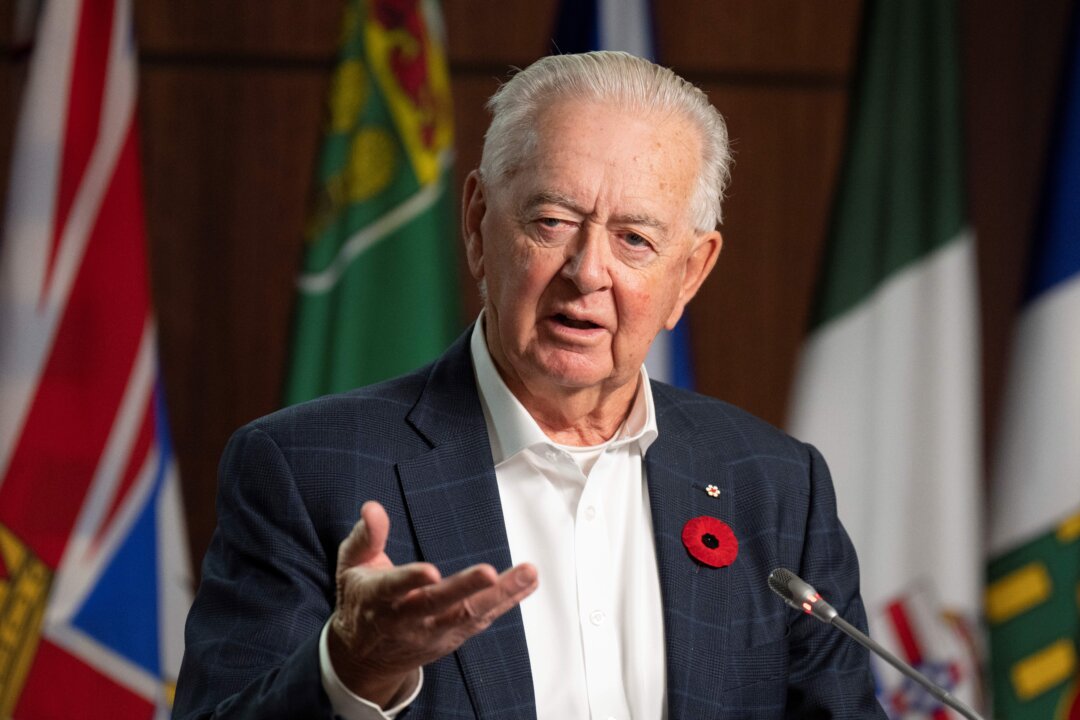
Cory Morgan: Whats Behind the Upcoming Alberta and the West Conference Organized by Manning







Related Articles
China NewsEuropeGlobalUK NewsWorld News
UK Must Be Ready for War in 1,000 Days, Says British Defense Secretary
British Defense Secretary Wes Streeting has said the country must be ready...
China NewsEuropeGlobalUK NewsUK Top NewsWorld News
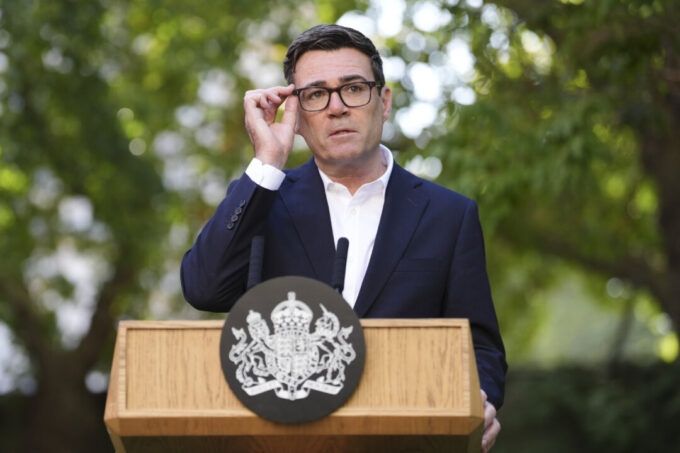
UK Prime Minister Says He Agrees With Principle of Migration Reform
British Prime Minister Andy Burnham said on Oct. 26 that he agreed...

China NewsEuropeGlobalWorld News
Serbian President Concedes Election Defeat to Student-Led Coalition
Serbian President Aleksandar Vucic has conceded defeat in the Oct. 25 election...


Asia & PacificChina NewsEuropeInternational RelationsNational SecurityPolicies & ImpactsUSUS NewsUS-China RelationsWorld News
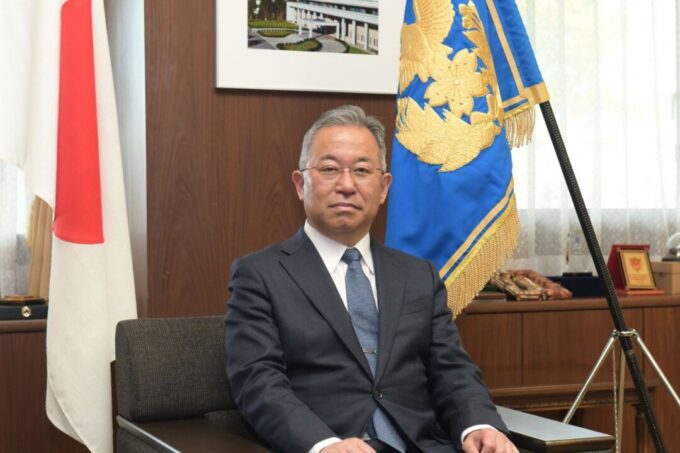
Japan Defense Academy Chief Calls for 3 Red Lines in Competition With China
Japan’s former top uniformed military officer has called for establishing three “red...
