
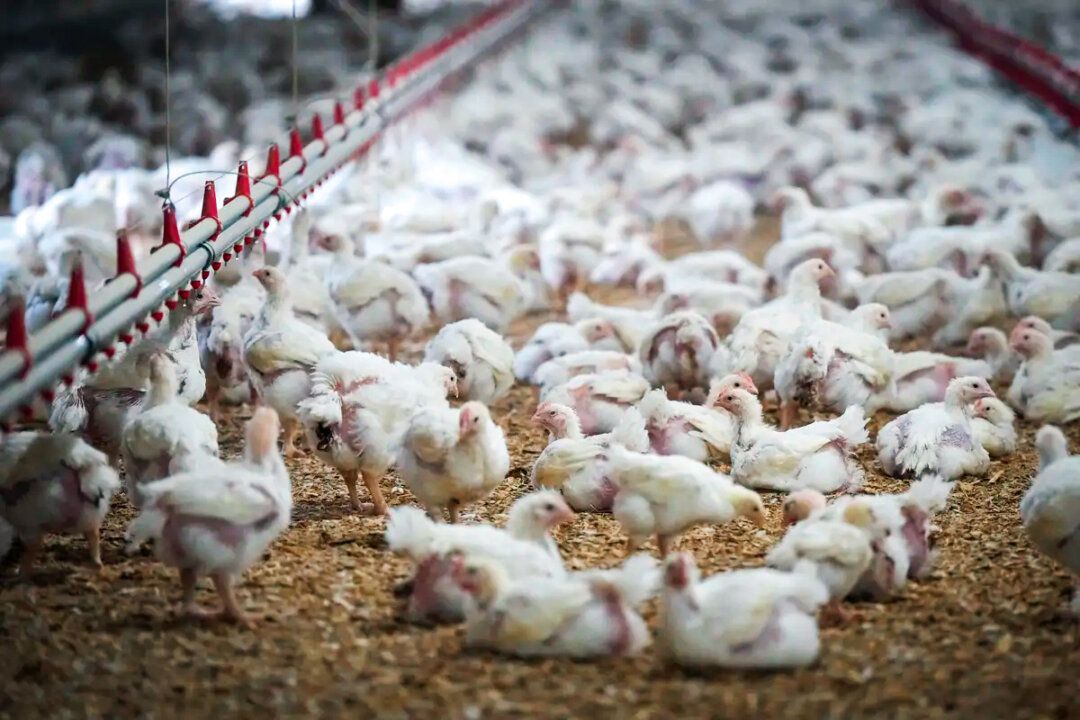
Chickens are seen at a poultry farm in Abbotsford, B.C., in a file photo. Darryl Dyck/The Canadian PressThe supply of chicken in Canada is failing to keep pace with demand, which may lead to poultry prices rising by September, according to food economist and professor Sylvain Charlebois.Charlebois, the director of Dalhousie University’s Agri-Food Analytics Lab, said that while Chicken Farmers of Canada reported earlier this week that chicken production in the first four months of 2026 was 5.6 percent higher than a year earlier, supply is still not keeping up with demand.In an Aug. 11 online post, Charlebois said underproduction remains a challenge, “while wholesale prices for whole birds and legs reached record levels.”Charlebois said that unless the federal government takes action, chicken prices could “soar even higher by September” as children return to school and families once again resume “routines built around convenient, affordable proteins.” He said given the rise in beef prices, this would be “especially painful” for families.Charlebois said that while the country’s supply management system sets production allocations based on forecast demand for eight-week periods, the production allocation is “only a ceiling” and does not guarantee every kilogram of poultry will reach consumers. He noted that issues like hatching-egg and chick shortages, avian influenza, mortality, extreme heat, and labour constraints can all prevent farmers from filling their quotas.“Production cannot be increased instantly, and imports do not enter automatically to fill the gap. The result is a protected market with too little flexibility precisely when consumers need it most,” he said.Charlebois said the federal government should authorize imports of 1 million kilograms of chicken per week for eight weeks—or around 3.5 percent of Canada’s weekly production—in order to prevent prices from rising, which the foreign affairs minister has the authority to do under Subsection 8.3(3) of the Export and Import Permits Act.Charlebois said doing this would not require Canada to “surrender permanent market access” during its ongoing trade negotiations with the United States, but would be a temporary response to the chicken supply issue.The professor also called for Chicken Farmers of Canada to increase domestic allocations for the upcoming production periods, as long as hatcheries, farms, and processors can deliver the additional volume of poultry.Chickens Farmers of Canada, which is a supporter of Canada’s supply management system, says it allows the country to match production to demand. The supply management system sets limits on the volume of dairy, chicken, and other products that can be imported tariff-free.“By using this system, consumers are assured a reliable supply of fresh, high-quality food at a reasonable price,” the organization says.The 2026 edition of Canada’s Food Price Report, released by Dalhousie University in December 2025, had projected that overall grocery prices were expected to increase by 4 to 6 percent this year.The report said that while beef prices would continue rising in 2026, more Canadians may turn to chicken as a more affordable protein source, causing those prices to increase “substantially” in 2026. The report also said a rise in avian flu among commercial stocks could put pressure on prices in the new year.The latest June inflation numbers from Statistics Canada showed that while overall inflation eased to 2.8 percent as gas prices fell, food inflation grew by 3.9 percent year over year, with the price of chicken thighs rising by the largest amount of any food item, by 13.6 percent.









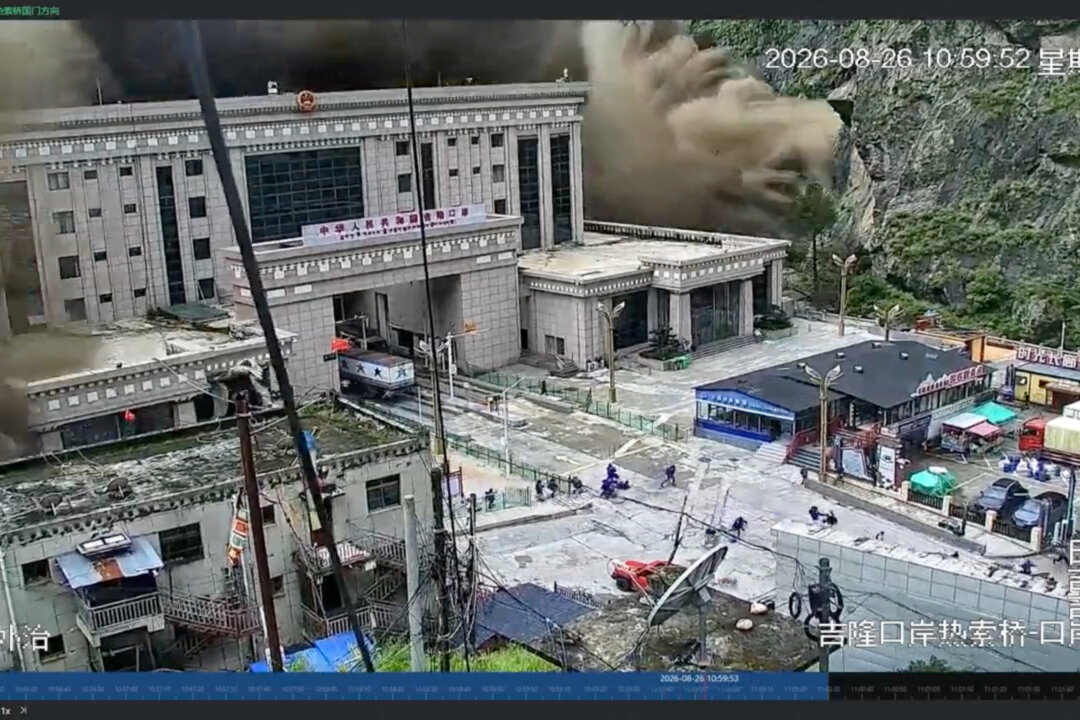
Chinese Scientists Flagged Glacial Flood Danger One Year Before Nepal Catastrophe
More than a year before the catastrophic flash flood devastated the China–Nepal...
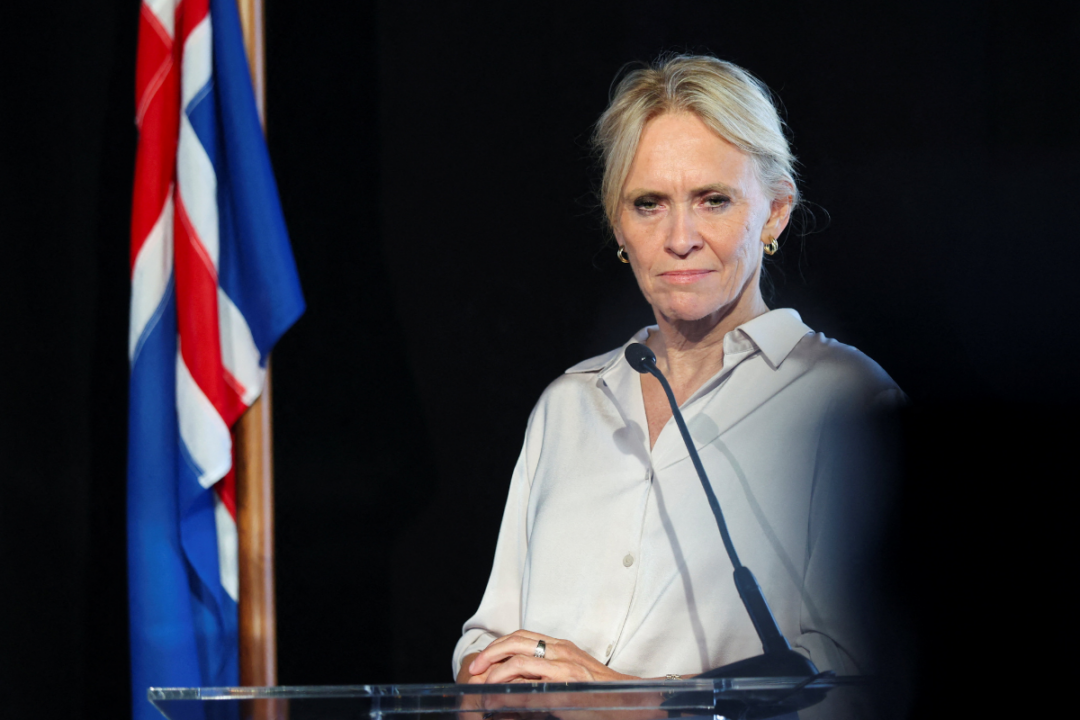
Iceland Focuses on Security Partnerships After Voters Reject Opening EU Membership Talks
Icelandic Minister for Foreign Affairs Thorgerdur Katrin Gunnarsdottir attends a press conference...
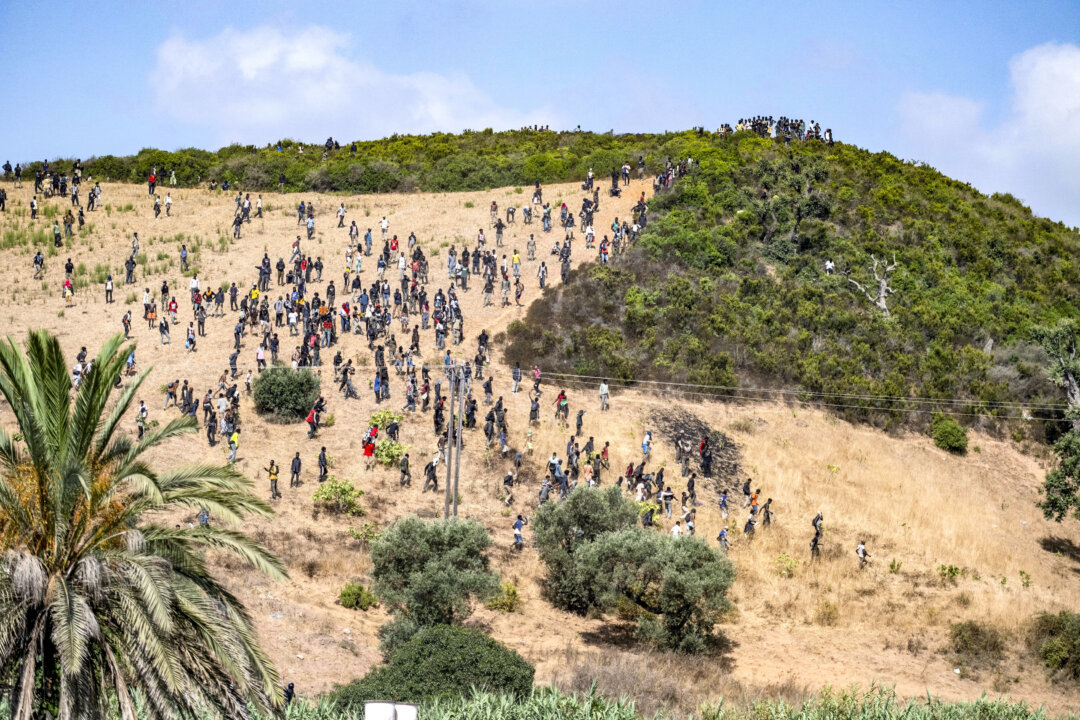
Italy, Spain Extend Tit-for-Tat Border Curbs After Ceuta Illegal Immigrant Crisis
Immigrants gather on a hill as they attempt crossing from the border...
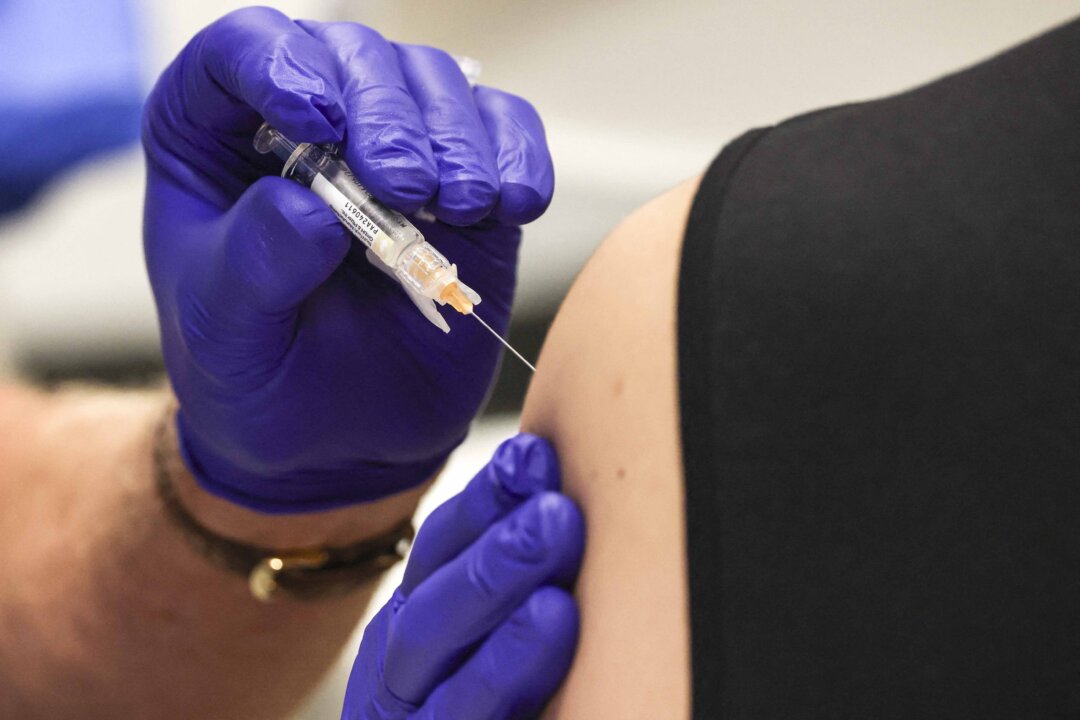


Vaccine Maker Halts Trial on mRNA Cancer Shot
A pharmacist administers the Pfizer-BioNTech vaccine in Los Angeles, Calif., on October...
