
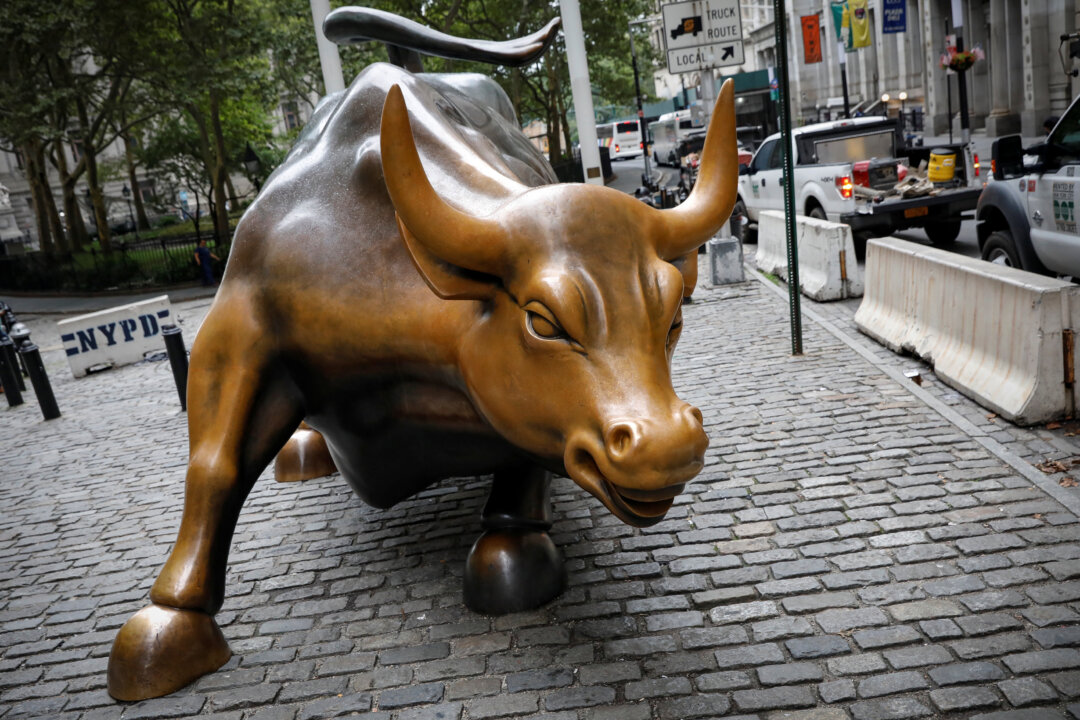
The second-quarter earnings season for S&P 500 companies is almost finished, and a new analysis shows that most firms have outperformed market expectations.Wall Street has brushed aside a string of headwinds this year—from the war in Iran to renewed price pressures—and kept climbing. Despite a few bumps along the way, the stock market sits at or near record highs, and recent numbers suggest it is not entirely driven by artificial intelligence (AI).As of Aug. 7, 88 percent of S&P 500 companies have reported earnings. Of these firms, 86 percent have beaten market expectations, according to FactSet data.This is above the five- and 10-year averages of 78 percent and 76 percent, respectively.“If 86 percent is the actual number for the quarter, it will mark the highest percentage of S&P 500 companies reporting a positive EPS surprise since Q2 2021 (87 percent),” John Butters, senior earnings analyst at FactSet, said in a research note.Additionally, on an aggregate basis, companies are reporting earnings that are more than 29 percent above estimates—also above the five- and 10-year averages of about 7 percent. If the quarter concludes at that number, it would be the highest ever since FactSet started tracking this metric in 2008.While companies such as Alphabet and Amazon have been key drivers of positive earnings—reflecting the AI boom—current conditions are now spreading to other industries.Communications, consumer discretionary, energy, and information technology have also been sizable contributors to solid second-quarter earnings, reporting double-digit growth.“The general narrative is positive,” Cullen Rogers, CIO at Wedbush Funds, said in a note emailed to The Epoch Times.“Most of the conversations we’re having are around this broadening of the AI narrative beyond the hyperscalers.”The AI hyperscalers—Alphabet, Amazon, Meta Platforms, Microsoft, and SpaceX, for example—have committed up to $1 trillion in capital expenditure investments this year.Throughout the year, investors have been concerned about companies repeatedly revising their capex forecasts higher, raising questions about whether demand will justify all of this investment. At the same time, a growing number of Big Tech companies now have negative free cash flows and are issuing debt to cover these expansive investments.The market broadening its sights to other industries is a “natural progression,” Rogers added.“That increase in market breadth is healthy. The more concentrated everything is in the Magnificent Seven and the hyperscalers, the more the market is making a concentrated bet,” Rogers said.The broad-market S&P 500 finished last week at a record level of 7,757, lifting its year-to-date gain to above 13 percent—and some market watchers think there is still more room for gains.JPMorgan Chase analysts lifted their year-end target for the S&P 500 to 8,000, citing AI and earnings strength.The New York Stock Exchange in New York on April 4, 2025. Samira Bouaou/The Epoch Times“As elevated backlogs convert into recognized revenue, cloud growth should remain well supported, helping validate rising AI capex, strengthen order coverage, and further ease ROIC (return on invested capital) concerns,” the bank analysts said in an August 10 research note.The other leading benchmark indexes are also hovering close to all-time highs.The blue-chip Dow Jones Industrial Average is trading around 54,000. The tech-heavy Nasdaq Composite Index is seeking to reclaim 27,000. The Russell 2000—an index of 2,000 small-cap stocks—remains above 3,000.Strait Talk and WarshonomicsHeading into the fall trading season, two factors could play significant roles in financial markets: geopolitics and the Federal Reserve.Investors have been waiting for the United States and Iran to reach an agreement that fully reopens the Strait of Hormuz, the narrow Gulf channel that handles about 20 percent of the world’s oil supply.Treasury Secretary Scott Bessent suggested last week in an interview with CNBC’s “Squawk Box” that a deal was imminent.“I think it would be freedom of movement,” he said“I would expect the energy prices to settle back down, which, as I said, will be good for the entire world. And once the strait reopens, there are hundreds, if not a thousand, ships sitting in there waiting to go out.”Crude oil prices posted notable gains to kick off the trading week amid increasing doubt over a Hormuz deal. A barrel of West Texas Intermediate—the U.S. benchmark for oil prices—surged 3 percent on Aug. 10 to above $80 on the New York Mercantile Exchange.Meanwhile, investors are split on whether the Fed will raise interest rates next month.A weaker-than-expected July jobs report dampened expectations that the central bank would pull the trigger on a quarter-point rate hike at the September Federal Open Market Committee meeting.The economy unexpectedly lost 23,000 jobs last month, and the unemployment rate fell to 4.1 percent amid lower workforce participation.Policy odds may shift this week when the July Consumer Price Index report is released.The consensus forecast suggests the annual consumer inflation rate could slow to 3.4 percent. Core inflation, which omits volatile energy and food categories, is also projected to ease to 2.5 percent.But the August numbers could suggest a reacceleration in the headline figures, based on updates to the Cleveland Federal Reserve’s Inflation Nowcasting models.In the end, officials will have to determine which side of their dual mandate—price stability or maximum employment—wins, says David Miller, senior portfolio manager at Catalyst Funds.“Does a weakening labor market push the Fed toward easing, or does persistent inflation keep policy restrictive?” Miller said in an emailed note to The Epoch Times.“The jobs data are telling the Fed to be more dovish, while inflation is telling it to remain disciplined. That tension could create a favorable backdrop for gold.”Reuters contributed to this report.









USDA Unveils New Support for Ranchers to Rebuild Cattle Herds
The U.S. Department of Agriculture has unveiled a new package of measures...
How Major US Stock Indexes Fared Aug. 31
Oil prices rose and U.S. stocks fell after American forces struck Iranian...
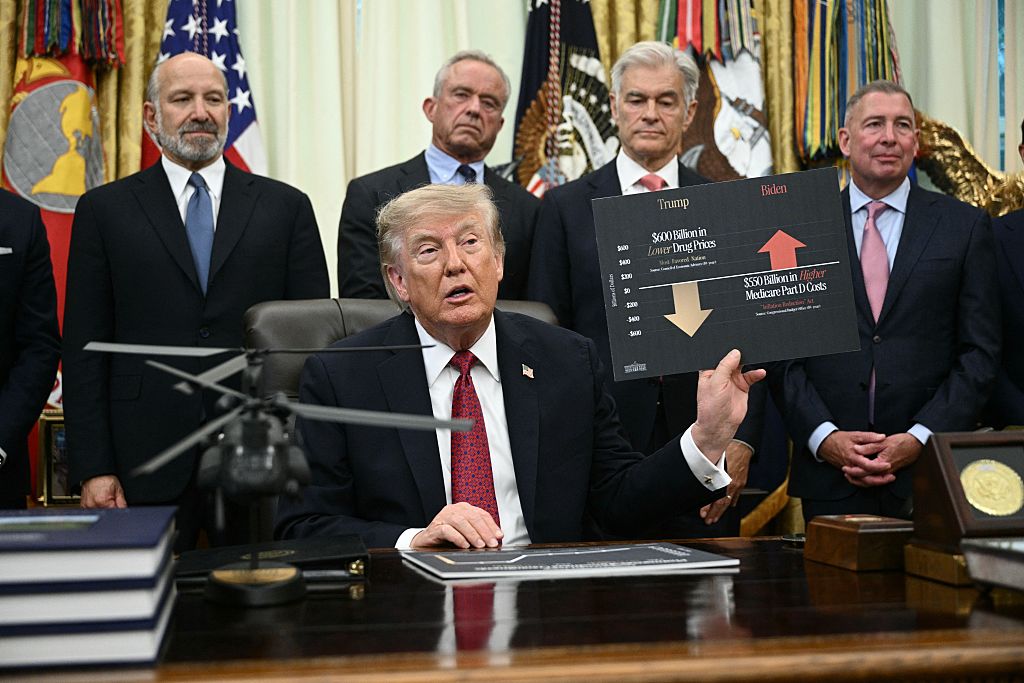
Trump Unveils New Drug Pricing Deals With 9 Pharmaceutical Companies
President Donald Trump on Aug. 31 announced agreements with nine midsize pharmaceutical...


Delcy Rodrguez Says Venezuelas Vast Oil Reserves Must Be Turned Into Prosperity
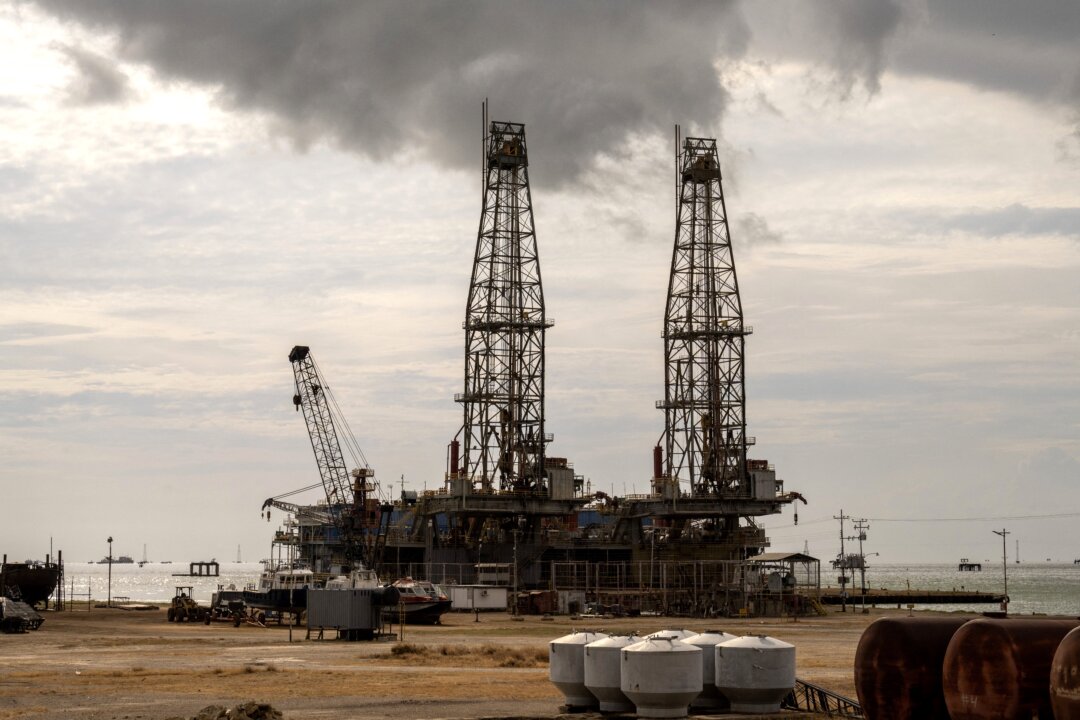
Oil rigs are pictured in Cabimas, south of Lake Maracaibo, Zulia State,...
