

CommentaryThe right upon which democracy depends is being eroded in Canada.Bit by bit, and with one stroke of the legislative pen after another, the right to speak one’s mind is being restricted by law. And, if Edmonton’s police force is anything to go by, the state’s agents are champing at the bit to be knocking on your door because of something you said or posted online.As Jennifer Cowan reported, Edmonton Police recently posted and then deleted a message on X that encouraged citizens to report on statements made by other citizens that they believed constituted hate, which is frequently interpreted in the modern era as anything that causes offence or hurt feelings.While that post didn’t last long on X—it was deleted fairly quickly—the Facebook and Instagram versions were still active as of the morning of Aug. 6.“We’ve been talking more about hate crime lately,” the post states. “Not because it’s trending, because it’s happening.”The post continues “as you can see, we get mail.” It then illustrates statements assumedly sent to them with key words redacted.One, for instance, says “bad drivers are always (redacted) people” while another states “Canada needs (redacted) deportation now.”Several civil rights advocates did not hesitate to point out that some of the examples included come nowhere close to meeting the established standard for breaking Canada’s hate speech law.Alberta’s public safety minister, Mike Ellis, moved speedily to reassert the government’s firm position in support of freedom of speech and that it would be directing police forces within its jurisdiction to not enforce any federal laws restricting freedom of speech, and instead focus on violent and property crimes.“Alberta’s government does not condone hate speech or violence, but we believe law enforcement should be focused on stopping violent crime, not policing opinions or ‘hurt feelings,’” Ellis stated in a social media post.That may have given a few people comfort regarding enforcement of Bill C-9, the Combatting Hate Act, but the risk to freedom of speech and, through it, the maintenance of a democratic society, continues to grow.Whether the Alberta government or anyone else agrees with the legislation involved, the Edmonton incident will already have intimidated freedom of speech by alarming people to the point where they will begin tightening the boundaries of their speech in order to keep them within the range of what used to be called political correctness.What used to fall into the category of “awful but lawful” speech is now—at least in the minds of the police force of one of Canada’s largest cities—illegal. Given that promotion of hatred convictions can result in prison terms of up to 10 years, one can expect people will be paying attention.They certainly will if, as the Edmonton police seem anxious to do, they find two smartly dressed constables on their doorstep after making comments that caused someone to be offended.This is certainly the case in the UK, where in 2023, more than 12,000 arrests were made under that country’s communication and malicious messaging acts.It goes without saying—although I must say it—that people should at all times seek to conduct themselves in a civil fashion. Social media can create an atmosphere in which people can say things without facing the consequences that once accompanied such remarks in person—whether a punch in the nose, a drink splashed in their face, or even a civil lawsuit.But words don’t break noses. And the right to express oneself freely, push back against false narratives, and keep the foundation of modern liberal democracies alive, is far more precious and vital to society than anyone’s hurt feelings.Most alarming, to me, is the number of commentators who seem unbothered by the Canadian trend. Perhaps they fear being identified with people who say awful things. But while they should certainly feel free to shun them and denounce them, the country is in dire need of prominent voices defending free speech.The situation has deteriorated to the point where the Aristotle Foundation’s polling discovered that 85 percent of university students with “very conservative” views fear they will be punished with lower grades if they make them known.Even more revelational, the study found: “More than two-thirds of students who identify as politically moderate are at least somewhat concerned both that someone would file a formal complaint, and that professors would lower their grades, if their moderate views were expressed.”More restrictions are on the way. Bill C-34, the Safe Social Media Act, creates a Digital Safety Commission with sweeping powers who will determine the conduct of social media companies.No one has been arrested—at least not yet. But there is enough in place when it comes to laws and attitudes to ensure the chill is on. The window for legal speech has been established, and from now on it’s all about how narrow it becomes, and how fast.Views expressed in this article are opinions of the author and do not necessarily reflect the views of The Epoch Times.









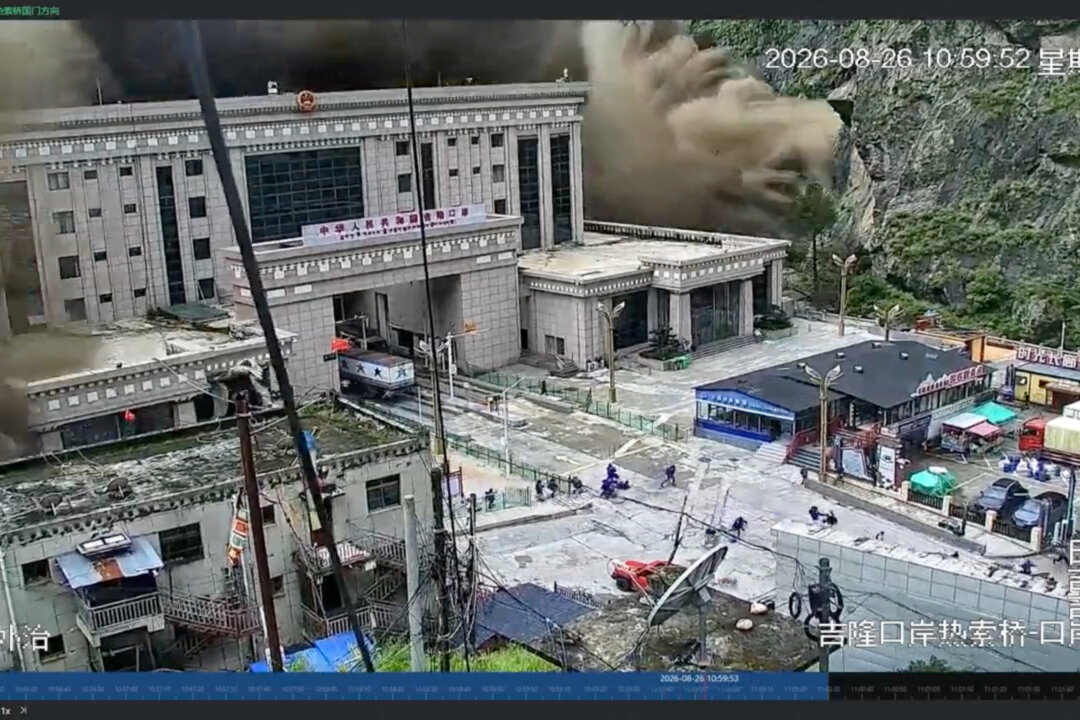
Chinese Scientists Flagged Glacial Flood Danger One Year Before Nepal Catastrophe
More than a year before the catastrophic flash flood devastated the China–Nepal...
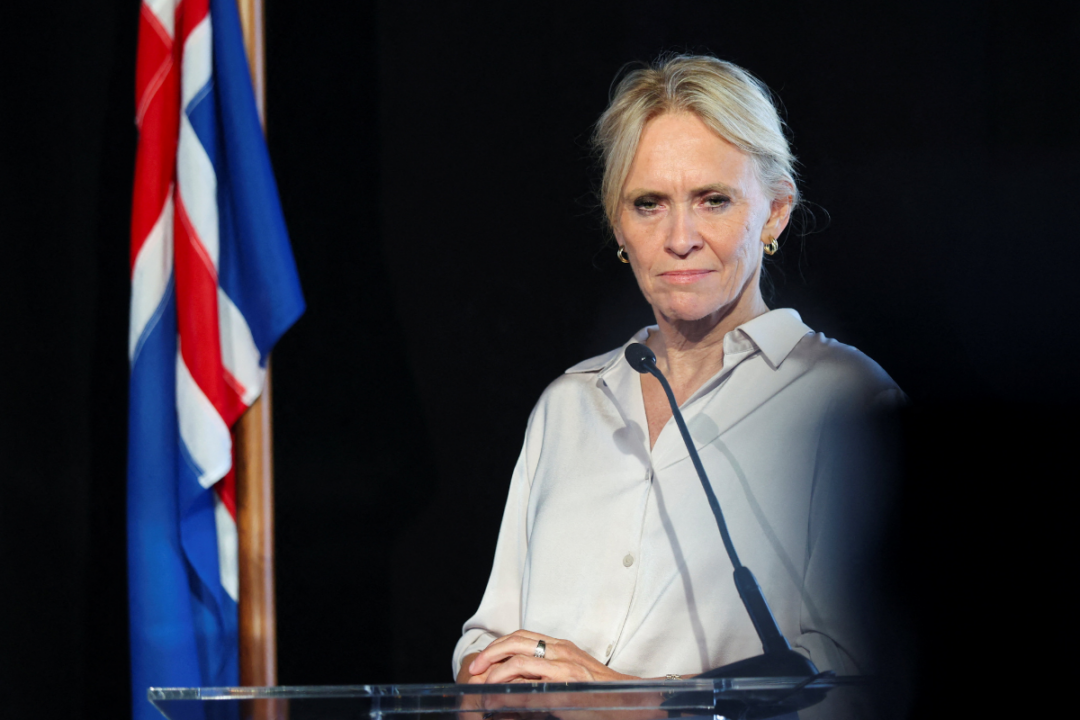
Iceland Focuses on Security Partnerships After Voters Reject Opening EU Membership Talks
Icelandic Minister for Foreign Affairs Thorgerdur Katrin Gunnarsdottir attends a press conference...
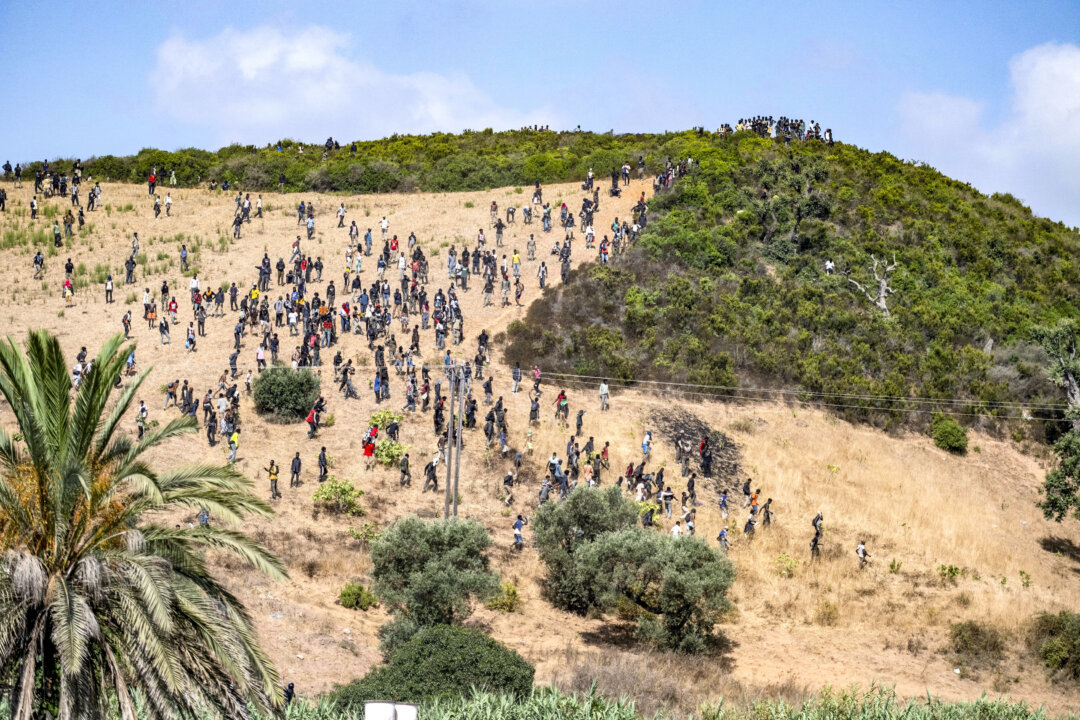
Italy, Spain Extend Tit-for-Tat Border Curbs After Ceuta Illegal Immigrant Crisis
Immigrants gather on a hill as they attempt crossing from the border...



Vaccine Maker Halts Trial on mRNA Cancer Shot
A pharmacist administers the Pfizer-BioNTech vaccine in Los Angeles, Calif., on October...
