
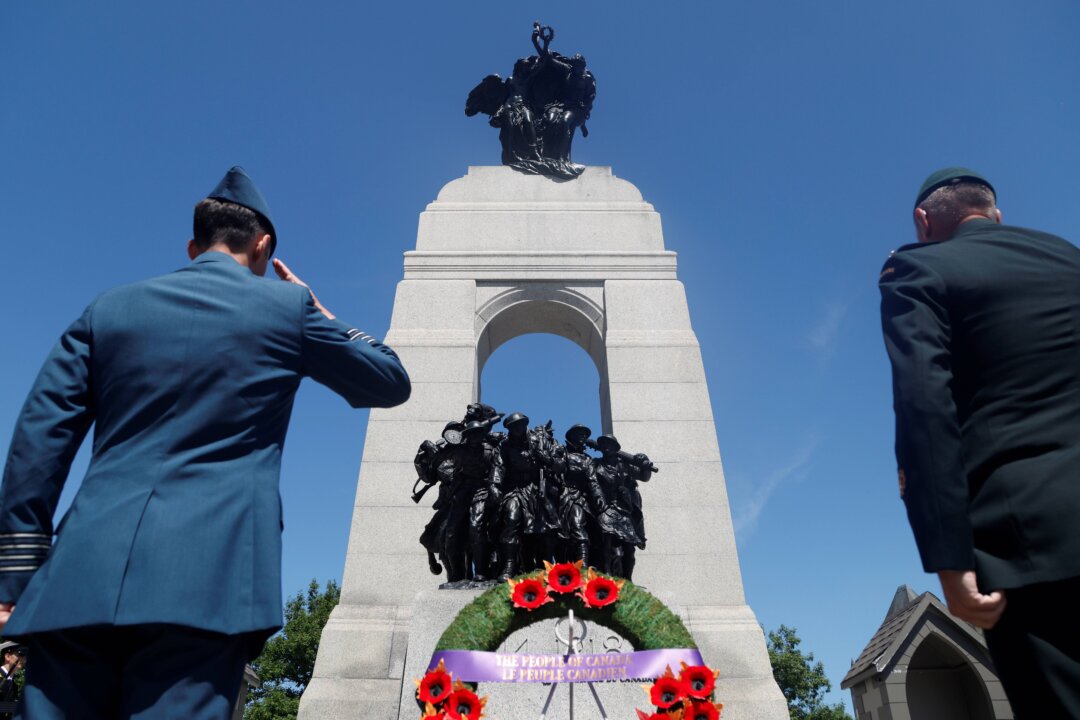
CommentaryThe Canadian Armed Forces has long reflected the very best of our country. Courage. Duty. Service before self. It has also recognized another enduring truth: many who volunteer to defend Canada draw strength from faith. For more than 150 years, military chaplains have stood alongside Canadian soldiers, sailors, and aviators in times of war and peace, offering prayers rooted in their respective faith traditions. That tradition has never divided our Armed Forces. It has strengthened them.The Department of National Defence’s new guidance on spiritual reflections breaks sharply with that tradition. Under the banner of inclusivity, the restrictions now extend well beyond military chaplains. They apply to Canadian Armed Forces members, Department of National Defence employees, contractors, and volunteers participating in official ceremonies. Explicit references to God are replaced with carefully prescribed, non-denominational reflections. The stated objective is inclusion. The practical effect is the exclusion of genuine religious expression.It is also noteworthy that this directive was released on July 29, at the height of the summer holiday season. Regardless of whether that timing was intentional, a policy that fundamentally changes how faith is expressed in Canada’s Armed Forces deserved broad public debate, not quiet implementation during one of the least scrutinized periods of the year. This is not inclusion. It is exclusion dressed up as tolerance.Canada’s Charter of Rights and Freedoms guarantees freedom of conscience and religion. That protection was never intended to mean Canadians may quietly hold religious beliefs so long as they never express them publicly. Freedom of religion necessarily includes the freedom to manifest one’s faith peacefully and authentically. A Christian chaplain should be free to pray as a Christian. A Jewish rabbi should be free to offer a Jewish prayer. A Muslim imam should be free to pray according to Islamic tradition. Participation should always remain voluntary, but authenticity should never be prohibited.The policy is also internally inconsistent. Indigenous spiritual practices remain permissible during official military ceremonies when presented within a cultural or educational context, yet Christian, Jewish, and Muslim clergy are instructed to avoid the defining language of their own faith traditions. If authentic spirituality is acceptable in one context, it is difficult to justify prohibiting it in another. Equality before the law requires equal treatment of all faiths, not selective accommodation.This is not merely a Christian concern. According to the 2021 Census, more than 19.4 million Canadians, representing 53.3 percent of the population, identify as Christian. Canada is also home to approximately 1.8 million Muslims, 828,000 Hindus, 772,000 Sikhs, and more than 335,000 Jews. Every one of these communities deserves the freedom to express its faith openly and respectfully. Genuine diversity does not require every faith to sound the same. It requires respecting the differences that define them.For more than a century and a half, Canadian military chaplains openly invoked God before battles, during graduation parades, change of command ceremonies, honours and awards presentations, Remembrance Day observances, military funerals, and while comforting the wounded and the grieving. Those prayers accompanied generations of Canadians through two world wars, Korea, Afghanistan, peacekeeping operations, and countless acts of service without undermining cohesion or inclusion. The burden should rest with government to explain why a tradition that has served Canada faithfully for more than 150 years has suddenly become unacceptable.Perhaps the most troubling aspect of this policy is its language. Officials claim they are advancing religious freedom while simultaneously restricting the authentic expression of religion during official ceremonies. It is difficult to read such reasoning without recalling George Orwell’s “1984,” where language was manipulated until words meant the opposite of their ordinary meaning. Freedom became restriction. Diversity became conformity. Inclusion became exclusion.State neutrality should never be confused with state secularism. A neutral government protects the rights of citizens with different beliefs without favouring one over another. It does not require people of faith to suppress their beliefs whenever they participate in public institutions. Neutrality welcomes diversity. It does not erase it.Canadians have long understood the distinction between the state and the clergy who serve within it. A military chaplain offering a Christian prayer is not declaring Christianity to be Canada’s official religion any more than a military rabbi or imam speaks for the government of Canada. Chaplains speak from their own faith traditions precisely because that is the vocation they have been called to fulfill.Military chaplains are not motivational speakers or public affairs officers. They are ordained clergy entrusted with the spiritual care of those who serve. Asking them to remove the defining language of their faith diminishes both their vocation and the institution they serve. It asks them to become something other than what they were called to be.Canada’s Armed Forces should remain a place where every Canadian is welcomed with dignity and respect, regardless of religion or background. But welcoming everyone has never required silencing anyone. A confident democracy can accommodate different beliefs without demanding that they all conform to an officially approved vocabulary.The freedoms our service men and women defend are not abstract principles. They include the freedom to believe, to worship, and, where appropriate, to express those beliefs openly. A government committed to neutrality should neither compel religious observance nor prohibit authentic religious expression. Neutrality means allowing Canadians of different faiths to speak in their own voices, not requiring every faith to adopt a government approved vocabulary.If we redefine neutrality as the absence of religion whenever the state is present, we are no longer protecting freedom of religion. We are replacing it with official secularism. Policies that redefine fundamental freedoms should never be introduced quietly. They deserve the full light of public debate.Canada’s military traditions, and the liberties they exist to defend, deserve nothing less.Views expressed in this article are opinions of the author and do not necessarily reflect the views of The Epoch Times.







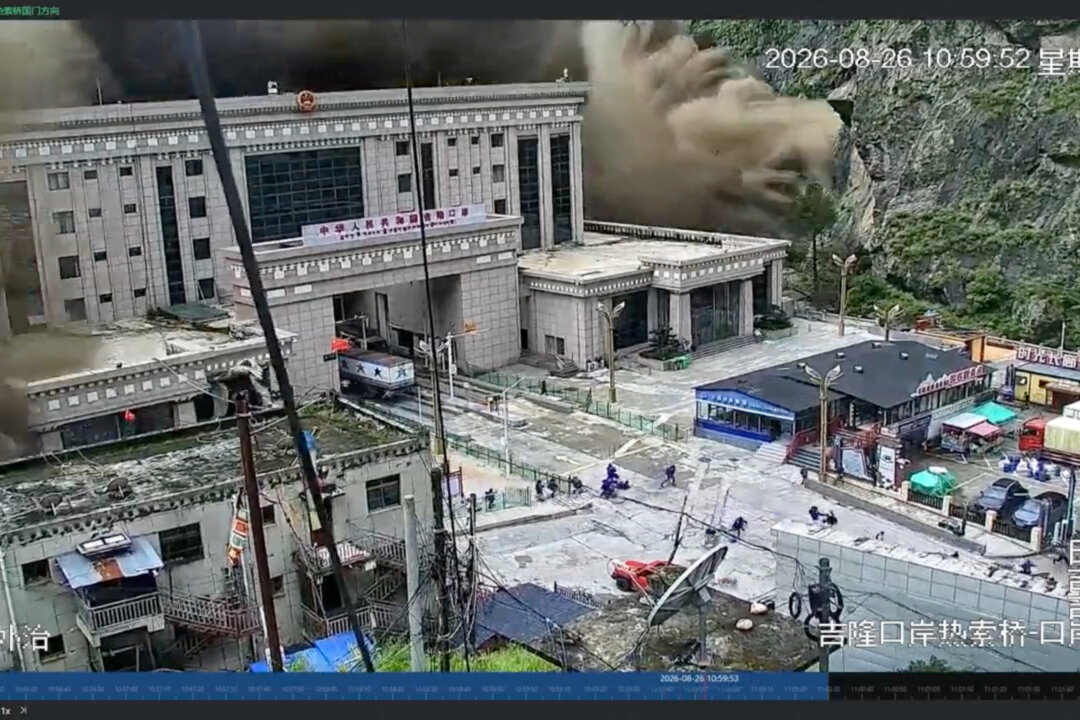
Chinese Scientists Flagged Glacial Flood Danger One Year Before Nepal Catastrophe
More than a year before the catastrophic flash flood devastated the China–Nepal...
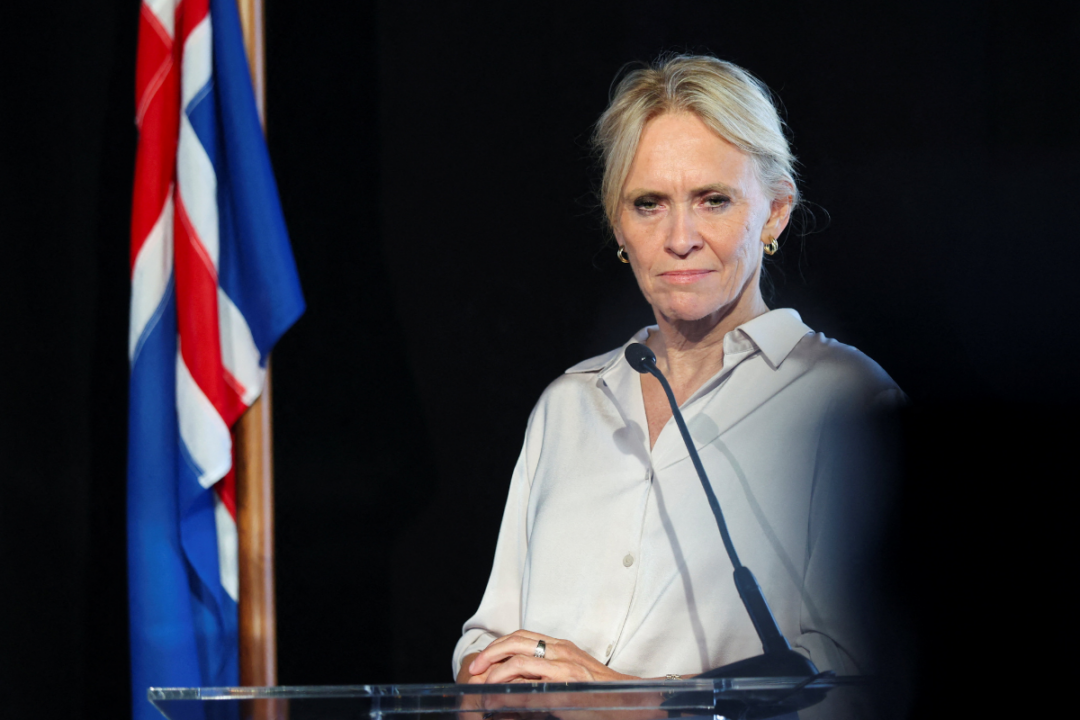
Iceland Focuses on Security Partnerships After Voters Reject Opening EU Membership Talks
Icelandic Minister for Foreign Affairs Thorgerdur Katrin Gunnarsdottir attends a press conference...
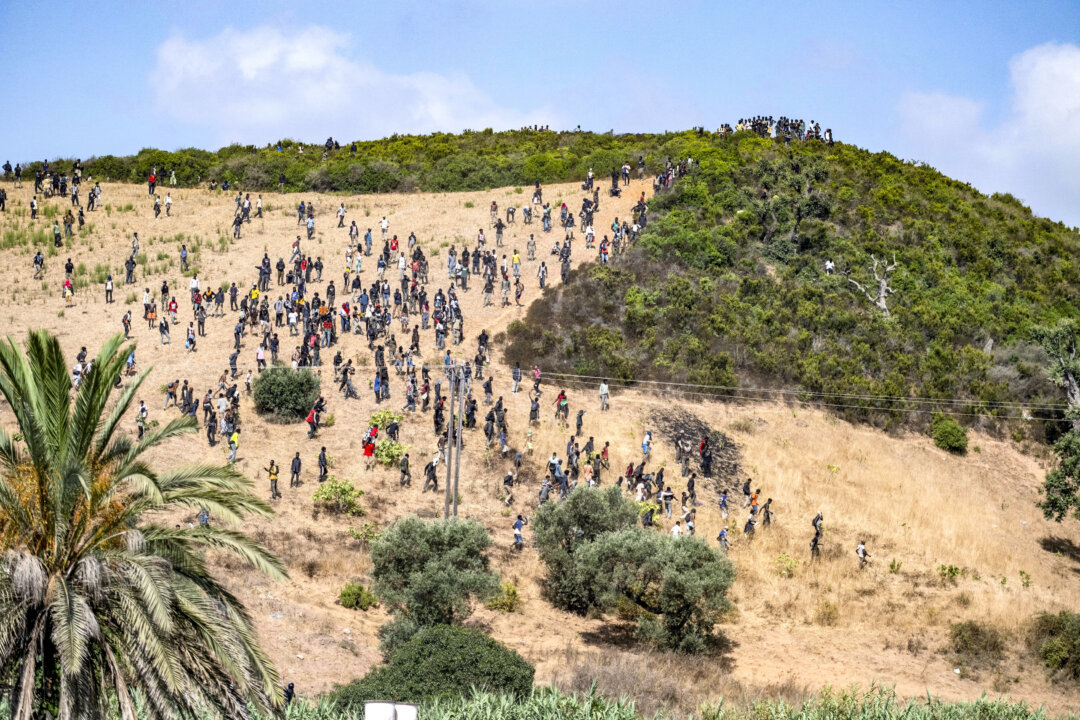
Italy, Spain Extend Tit-for-Tat Border Curbs After Ceuta Illegal Immigrant Crisis
Immigrants gather on a hill as they attempt crossing from the border...



Vaccine Maker Halts Trial on mRNA Cancer Shot
A pharmacist administers the Pfizer-BioNTech vaccine in Los Angeles, Calif., on October...
